


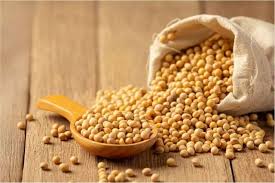
Soybeans (Glycine max) are an extremely important source of oil and a highly nutritious food. Originating in East Asia around 5,000 years ago, soybeans were introduced to Europe and North America in the 18th century. Today, they are a major global crop, primarily grown in South and North America, providing valuable vegetable oil, protein, and versatile ingredients used in many recipes.
Soybeans remain a staple in Asian diets and have become popular in the West, especially as a plant-based protein source for vegetarians and vegans. They are rich in antioxidants, phytonutrients, isoflavones, and minerals like iron.
Read Also: Comprehensive Step by Step Guide on SoyaBean Farming
Nutritional Composition of Soybeans
Soybeans (Glycine max) contain a high level of various vitamins and minerals, contributing to their wide-ranging health benefits.
1. Rich in Iron (Fe):
Iron is essential for red blood cell formation, ensuring proper oxygenation, blood flow, metabolic activity, energy levels, and helping prevent conditions like diabetes and cardiovascular disease.
2. High in Antioxidants, Phytosterols, and Dietary Fiber:
These components help prevent cancer, early aging, diabetes, and hyperglycemia while supporting overall health.
3. Contains Copper, Iron, and Magnesium:
These minerals are crucial for red blood cell production and related physiological functions.
4. Excellent Source of Fiber:
Fiber promotes healthy bones and teeth, while soybeans provide high-quality protein.
5. Provides Essential Amino Acids and Zinc:
Soybeans deliver a broad range of amino acids and zinc for various bodily processes.
6. Helps Prevent Hyperglycemia and Cardiovascular Disease:
Regular intake supports stable blood sugar levels and heart health.
7. Good Source of Dietary Fiber, Iron, and Copper:
These nutrients aid red blood cell production, prevent anemia, ensure organ oxygenation, and support healthy tissue maintenance for a youthful appearance.
Read Also: Beans Farming (Phaseolus vulgaris): Complete Growing Guide for High Yields
8. High in Iron and Copper:
These minerals support red blood cell formation, adequate blood flow, and proper organ oxygenation.
9. Prevents Anemia and Supports Heart Health:
High iron content, combined with vitamin E and magnesium, benefits cardiovascular function and prevents dangerous anemia.
10. Great Source of Protein:
Soybeans provide complete, high-quality plant-based protein.
11. Rich in Vitamins A, B, and Dietary Fiber:
These contribute to overall nutrition, energy metabolism, and digestive health.
12. Contains Isoflavones:
These phytoestrogens bind to estrogen receptors, helping ease menopausal symptoms and benefiting skin health.
13. Benefits Women’s Health:
Soy can reduce cholesterol levels and support libido in women.
Scientific Evidence and Case Studies on Soybeans (Glycine max) Health Benefits
1. Cardiovascular Protection: Soy protein and isoflavones lower LDL cholesterol, improve blood vessel function, and reduce the risk of coronary heart disease and overall cardiovascular mortality.
2. Menopausal Symptom Relief: Isoflavones act as phytoestrogens, significantly reducing hot flashes, night sweats, and supporting bone density in postmenopausal women.
3. Cancer Risk Modulation: Moderate soy intake is associated with reduced risk of breast and prostate cancers in observational studies, with isoflavones showing potential protective mechanisms without promoting cancer growth.
4. Anemia and Blood Health Support: High bioavailable iron, copper, and other minerals enhance red blood cell production, improve oxygen transport, and help prevent iron-deficiency anemia.
5. Metabolic and Anti-Diabetic Effects: Fiber, protein, and polyphenols improve insulin sensitivity, reduce hyperglycemia, and lower the risk of type 2 diabetes through better glycemic control.
Summary of Soybeans (Glycine max): 13 Health Benefits, Healing Powers and Uses
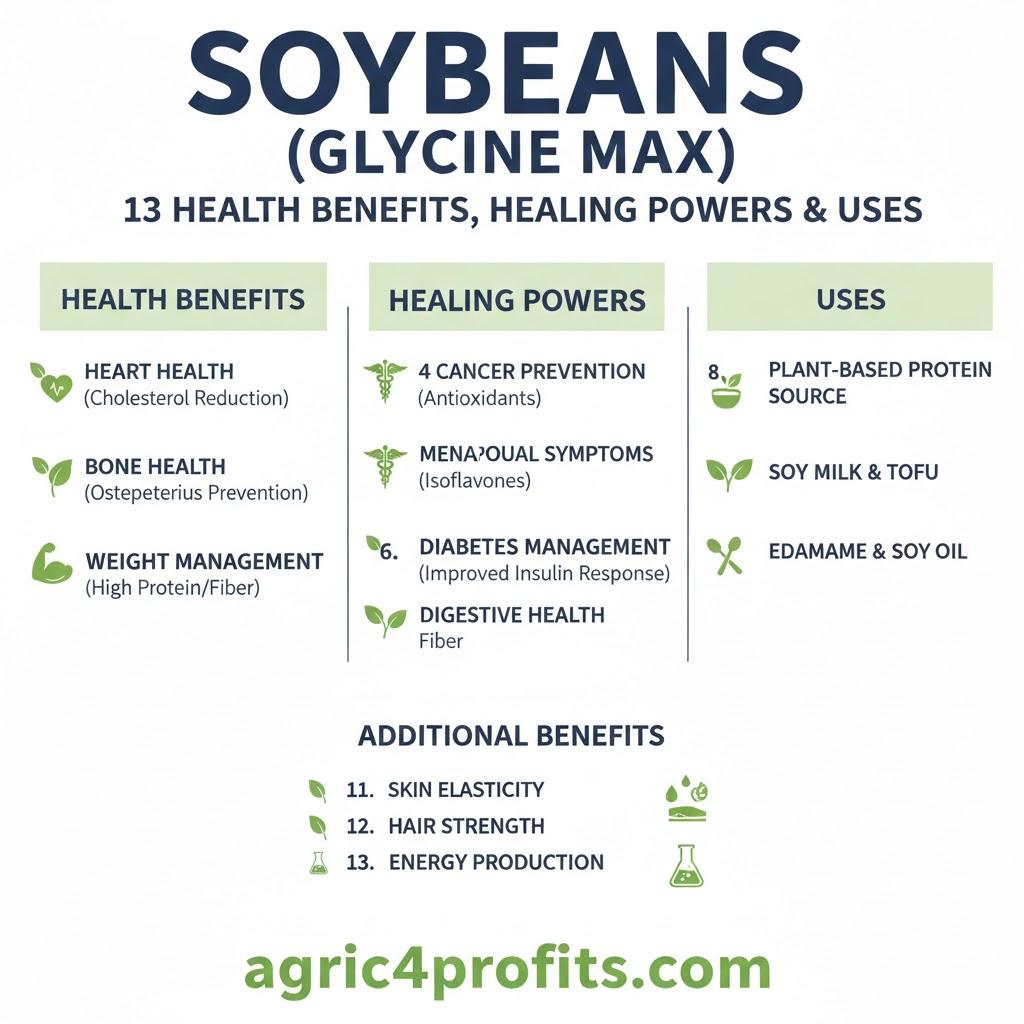
| Aspect | Key Points |
|---|---|
| Origin & Cultivation | East Asia origin (5,000+ years); now major crop in Americas; used for oil, protein, and food products. |
| Nutritional Profile | Complete protein, high iron, copper, magnesium, zinc, fiber, vitamins A/B, isoflavones, antioxidants, phytosterols. |
| Core Health Benefits | Supports red blood cell formation (prevents anemia), boosts energy/oxygenation, antioxidant protection against aging/cancer/diabetes, cardiovascular support, menopausal relief. |
| Women’s Specific Benefits | Isoflavones ease menopause symptoms, benefit skin, lower cholesterol, enhance libido. |
| Protein Advantage | One of few complete plant proteins; ideal for vegetarians/vegans; lower in saturated fat. |
| Additional Advantages | Prevents hyperglycemia/cardiovascular issues; promotes bone/teeth health; maintains youthful tissues. |
| Consumption Advice | Use whole, edamame, tofu, soy milk, etc.; moderate intake to maximize benefits and minimize potential concerns. |
| Overall Verdict | Nutrient-dense, versatile superfood with strong evidence for heart, metabolic, hormonal, and blood health support. |
Frequently Asked Questions
1. Are soybeans a complete protein?
Yes, soybeans contain all nine essential amino acids, making them one of the few complete plant-based protein sources.
2. How do soybeans improve heart health?
Soy protein and isoflavones reduce LDL cholesterol, improve arterial function, and lower the risk of heart disease and stroke.
3. Can soybeans help relieve menopausal symptoms?
Yes, isoflavones mimic estrogen mildly, helping reduce hot flashes, improve sleep, and support bone health during menopause.
4. Do soybeans prevent anemia?
Their high iron, copper, and magnesium content supports red blood cell production and helps prevent iron-deficiency anemia.
5. What antioxidants are present in soybeans?
Soybeans are rich in phytosterols, polyphenols, and other antioxidants that combat oxidative stress and reduce chronic disease risk.
6. Is soy consumption linked to lower cancer risk?
Moderate intake is associated with reduced breast and prostate cancer risk in many population studies, with protective rather than harmful effects.
7. Which minerals make soybeans good for blood health?
High levels of iron, copper, magnesium, and zinc promote red blood cell formation, oxygenation, and energy metabolism.
8. Are there risks from eating too much soy?
Excessive intake may affect thyroid function in some people due to goitrogens or influence hormone levels; moderation is advised.
9. How do soybeans help with blood sugar control?
High fiber and protein slow digestion, improve insulin sensitivity, and reduce the risk of hyperglycemia and type 2 diabetes.
10. Why are soybeans ideal for plant-based diets?
They offer complete protein, essential nutrients, and versatility in forms like tofu and soy milk, supporting balanced vegetarian or vegan nutrition.
Do you have any questions, suggestions, or contributions? If so, please feel free to use the comment box below to share your thoughts. We also encourage you to kindly share this information with others who might benefit from it. Since we can’t reach everyone at once, we truly appreciate your help in spreading the word. Thank you very much for your support and for sharing!
Disclaimer: This article is for educational and informational purposes only. The health benefits described are based on scientific research and traditional knowledge. They ayre not a substitute for professional medical advice, diagnosis, or treatment. Always consult a healthcare professional before using any herb or natural remedy for medical purposes.