


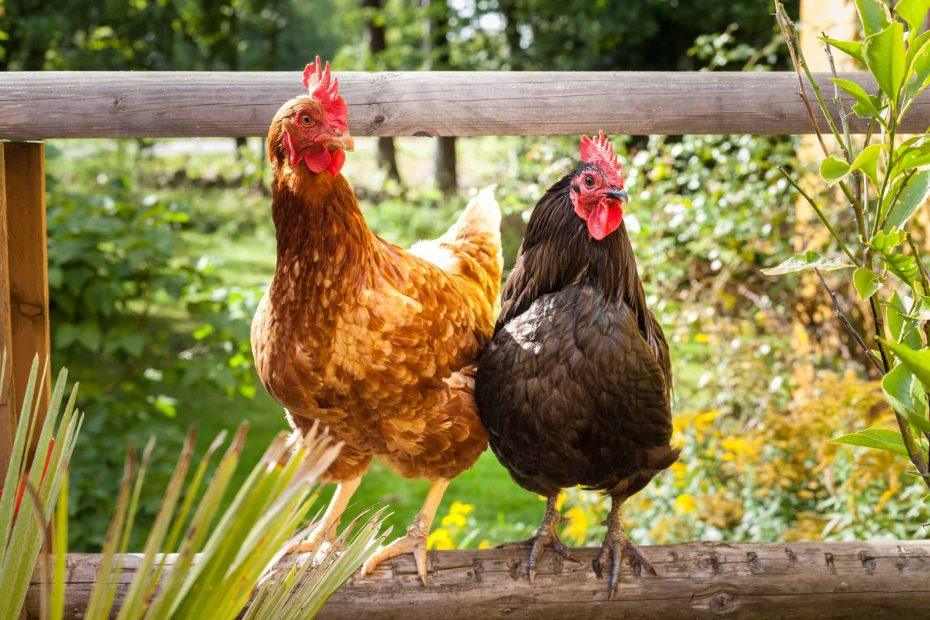
Many people are starting to raise chickens in their backyards these days. It gives you fresh eggs and some interesting company right at home. Chickens are not that hard to care for if you set things up well from the beginning. They are friendly birds that can provide eggs for your family and even help control bugs in the yard.
When you first think about raising backyard chickens, it feels exciting. You picture collecting warm eggs every morning and watching the birds peck around. But there is some work involved. You have to build or buy a coop, learn about feeding, and make sure they stay safe from foxes or hawks. Beginners often start with three to five hens. That number is manageable and still gives you enough eggs for most households.
Popular breeds for new keepers are Rhode Island Reds and Plymouth Rocks. These birds are calm and lay a good number of eggs. You can buy young chicks or older pullets from a farm store. Some people even hatch their own if they have a rooster, but many backyards skip roosters to avoid noise complaints.
The good thing is that chickens turn kitchen scraps into eggs and fertilizer. It feels good to know where your food comes from. And they can be fun to have around. Some chickens will come up to you for treats. Over time, you learn their habits and personalities. This guide will help you with the main steps, how to avoid problems, and what benefits you can expect. We keep it simple so you can focus on enjoying the process.
Read Also: Definition; Organic Crop Protection
1. Comprehensive Guide on How to Raise Backyard Chickens
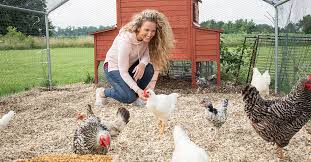
This section covers the basic steps to get your flock going and keep them happy. Good planning makes a big difference.
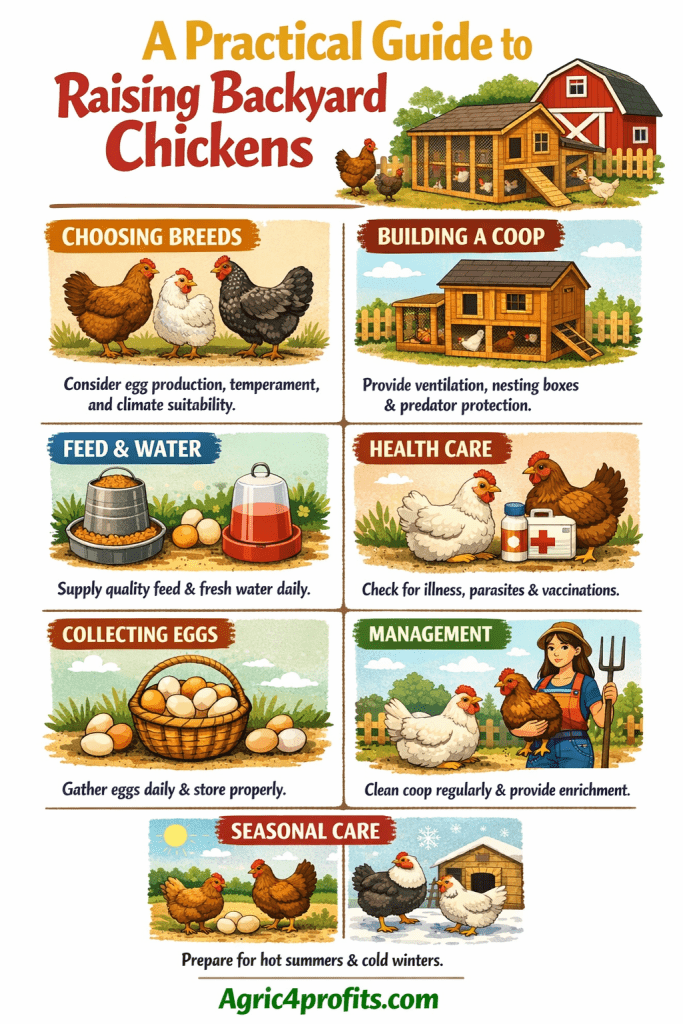
i. Planning and Research: Check your local laws and neighborhood rules before you buy any chickens. Some places limit the number you can keep. Research breeds that match your climate. Plan the size of the coop and run so the birds have enough space.
ii. Choosing Chicken Breeds: Pick breeds based on egg output, temperament, and hardiness. Rhode Island Reds are great for beginners because they are tough and lay well. Sussex and Orpingtons are also good choices.
iii. Setting Up the Coop: The coop needs to protect from weather and animals. Give each chicken 2 to 3 square feet inside and 8 to 10 square feet in the run. Add nesting boxes and places for them to roost at night.
iv. Feeding and Nutrition: Use commercial chicken feed as the main food. It has the right balance of nutrients. Add vegetable scraps and fruits but skip chocolate, avocado, or anything spoiled.
v. Healthcare: Watch for signs like not eating or low energy. Keep the area clean. Talk to a vet about vaccines or worming if needed.
vi. Egg Collection: Pick up eggs every day. This keeps them clean and encourages more laying.
vii. Socialization: Spend time near the birds. They get used to people and can become tame.
viii. Predator Protection: Use strong fences and lock the coop at night. Raccoons and foxes are common problems.
ix. Egg Handling and Storage: Clean dirty eggs with warm water if necessary. Store them in the fridge with the pointed end down.
x. Continual Learning: Keep reading and asking questions. Chicken keeping improves with experience.
2. Preventive Measures to Take When Raising Backyard Chickens
Staying ahead of health issues helps your chickens live longer and lay better. Here are important steps to follow.
i. Biosecurity: Keep new birds separate for two weeks. Limit who enters the coop area to stop diseases from spreading.
ii. Cleanliness: Clean out droppings often and change bedding. This cuts down on smells and bacteria.
iii. Parasite Control: Check regularly for mites or worms. Treat when you see problems like feather loss.
iv. Vaccinations: Ask a vet which shots make sense for your area, such as for Marek’s disease.
v. Quarantine and Isolation: Separate sick birds right away. Have a plan for new arrivals.
vi. Nutrition: Feed the correct type for their age. Keep feed dry and clean.
vii. Water Quality: Change water daily and clean the containers. Prevent wild animals from getting in it.
viii. Secure Coop and Run: Fix any weak spots in fences quickly.
ix. Observation and Early Detection: Look at your chickens every day. Catch problems early.
x. Record Keeping: Write down treatments and health notes. It helps over time.
xi. Education: Learn from books, clubs, or online groups about common chicken issues.
Read Also: A Comprehensive Guide to Farming Equipment and Machinery Reviews
3. Benefits of Raising Backyard Chickens
Keeping chickens brings several practical advantages for your home and family.
i. Fresh Eggs: You get eggs that taste better and have good color yolks.
ii. Quality Control: You decide what they eat so you know the eggs are from healthy birds.
iii. Sustainability: They eat scraps and their waste fertilizes the garden.
iv. Companionship: Chickens have character and can be enjoyable to watch and interact with.
v. Educational Value: Kids learn about animals and responsibility.
vi. Pest Control: They eat many insects and ticks.
vii. Connection to Nature: You get in tune with seasons and natural cycles.
viii. Exercise: The chores get you moving outside.
ix. Local and Sustainable Food: You produce food at home and reduce store trips.
x. Community Building: Share eggs with neighbors or join local groups.
xi. Self-Sufficiency: Have your own eggs even if supplies run low.
xii. Therapeutic Benefits: Time with the birds can help you relax.
Summary on A Practical Guide to Raising Backyard Chickens
| Section | Key Takeaways |
|---|---|
| Introduction | Backyard chickens offer fresh eggs and companionship. Start small with 3-5 hens and check local laws. |
| Comprehensive Guide | Focus on planning, coop setup, feeding, healthcare, and daily egg collection for success. |
| Preventive Measures | Use biosecurity, cleanliness, vaccinations, and monitoring to keep the flock healthy. |
| Benefits | Provides sustainable food, pest control, education, and relaxation while promoting self-sufficiency. |
Frequently Asked Questions About Raising Backyard Chickens
1. How many chickens should a beginner start with?
Start with three to five hens. This gives enough eggs without too much work at first.
2. What are good chicken breeds for beginners?
Rhode Island Reds and Plymouth Rocks work well. They are calm, hardy, and lay lots of eggs.
3. Do I need a rooster to get eggs?
No. Hens lay eggs without a rooster. Roosters are only needed if you want to hatch chicks.
4. How much space do backyard chickens need?
Each bird needs 2 to 3 square feet in the coop and 8 to 10 square feet in the run.
5. What do backyard chickens eat?
They eat commercial feed plus safe kitchen scraps like vegetables and fruits. Always provide fresh water.
6. How do I protect chickens from predators?
Use strong fencing, lock the coop at night, and bury wire around the run.
7. How often do I collect eggs?
Check and collect eggs every day to keep them clean and fresh.
8. Are backyard chickens legal in cities?
It depends on your location. Always check local zoning laws and regulations first.
9. How long do chickens live?
Most backyard chickens live 5 to 10 years, though egg production slows after a few years.
10. Can chickens be kept in cold weather?
Yes, with a well-insulated coop and protection from wind and snow. Some breeds handle cold better.
Do you have any questions, suggestions, or contributions? If so, please feel free to use the comment box below to share your thoughts. We also encourage you to kindly share this information with others who might benefit from it. Since we can’t reach everyone at once, we truly appreciate your help in spreading the word. Thank you very much for your support and for sharing!
Read Also: Corn (Maize): 9 Amazing Health Benefits