


Sage tea is a wonderful herbal infusion that has been enjoyed for centuries. It is made from the leaves of the sage plant, known scientifically as Salvia officinalis. This aromatic herb is native to the Mediterranean region and has a long history of culinary and medicinal use.
To make sage tea, you simply need sage leaves and hot water. The process is quite simple: steep a handful of fresh or dried sage leaves in hot water for about 5-7 minutes, and you’ll have a warm, soothing cup of sage tea ready to enjoy.
Sage tea has a delightful earthy flavor with hints of mint and citrus. Its taste is often described as robust yet refreshing, making it a pleasant choice for those looking to explore the world of herbal teas.
It’s important to note that while sage tea offers numerous potential benefits, it should be consumed in moderation. Excessive intake may lead to adverse effects, particularly in pregnant or breastfeeding women. If you have any underlying health conditions or are taking medications, it’s a good idea to consult with a healthcare professional before adding sage tea to your daily routine.
In addition, sage tea is a delightful and versatile herbal beverage that not only pleases the palate but also holds the promise of various health advantages. Whether you enjoy it for its flavor or its potential therapeutic properties, a cup of sage tea can be a simple and soothing addition to your daily routine.
Read Also: General Purpose of Plant Analysis as a Diagnostic Tool
14 Health Benefits Associated with Drinking Sage Tea
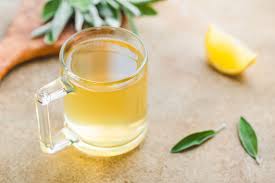
Here are 14 health benefits associated with sage tea:
1. Digestive Aid: Sage tea can help alleviate digestive issues like indigestion, bloating, and gas.
2. Anti-Inflammatory: Sage tea contains compounds with anti-inflammatory properties, which may reduce inflammation in the body.
3. Improved Memory: Some studies suggest that sage tea may enhance memory and cognitive function.
4. Antioxidant Protection: The antioxidants in sage tea help protect the body from free radical damage.
5. Menopausal Support: Sage tea may provide relief from menopausal symptoms like hot flashes and night sweats.
6. Sore Throat Relief: Gargling with sage tea can soothe sore throats and reduce inflammation.
7. Respiratory Health: Sage tea’s aroma can ease congestion and help with respiratory issues like colds and coughs.
8. Skin Health: Topical application of sage tea may benefit skin conditions such as acne and eczema.
9. Antimicrobial: Sage tea has antimicrobial properties that can combat harmful bacteria.
10. Stress Reduction: The aroma of sage tea may have a calming effect, reducing stress and anxiety.
11. Anti-Diabetic: Some research suggests that sage tea may help regulate blood sugar levels.
12. Anti-Hypertensive: Drinking sage tea may help lower blood pressure in individuals with hypertension.
13. Weight Management: Sage tea can aid in weight management by promoting a feeling of fullness.
14. Gastrointestinal Health: It may support gastrointestinal health by reducing inflammation in the digestive tract.
Scientific Evidence and Case Studies on Sage Tea
1. Cognitive Function and Memory Improvement: Studies show that Salvia officinalis (Sage) tea enhances memory, concentration, and mental alertness. Its bioactive compounds like rosmarinic acid and carnosic acid protect brain cells and improve neurotransmitter activity, making it beneficial for age-related cognitive decline.
2. Anti-Inflammatory and Antioxidant Properties: Research demonstrates that Sage tea contains flavonoids and polyphenols that reduce inflammation and oxidative stress. Regular intake helps protect the body from cellular damage, supports heart health, and strengthens the immune system.
3. Menopausal Symptom Relief: Scientific evidence reveals that Sage tea reduces symptoms of menopause such as hot flashes, night sweats, and mood swings. It helps balance estrogen levels naturally and promotes hormonal stability.
4. Blood Sugar Regulation: Studies indicate that Sage tea can help lower blood sugar and improve insulin sensitivity, making it beneficial for individuals managing diabetes or metabolic disorders.
5. Oral and Throat Health: Research findings show that Sage has antimicrobial properties that help fight bacteria responsible for mouth and throat infections, providing relief from sore throat, gingivitis, and mouth ulcers.
Nutritional Value Of Sage Tea
1. Polyphenols: Natural antioxidants that help reduce oxidative stress and inflammation in the body.
2. Flavonoids: Support heart health, improve circulation, and provide protection against cellular damage.
3. Rosmarinic Acid: A key active compound with anti-inflammatory and antimicrobial benefits that support immunity.
4. Vitamin K: Essential for blood clotting and bone health maintenance.
5. Vitamin A: Promotes eye health, immune defense, and skin renewal.
6. Calcium: Supports strong bones and teeth, as well as proper muscle function.
7. Iron and Magnesium: Aid in red blood cell production, energy metabolism, and nervous system function.
Sage Leaves
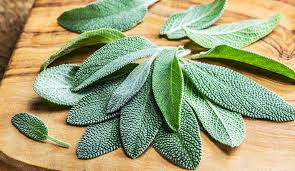
Sage leaves are special leaves that people use in cooking and for other things too. These leaves are small and green, and they have a strong and nice smell. People like to use sage leaves because they make food taste good, and they have some good things for our bodies too.
When we talk about sage leaves, we usually mean the leaves of the sage plant. The sage plant is a small bush that grows in gardens and sometimes in the wild. It has pretty purple flowers and soft, fuzzy leaves. But it’s the leaves that we really like to talk about because they are full of flavor.
One of the most common things people do with sage leaves is to put them in food. They can make your dinner taste amazing. Some people like to use sage leaves in stuffing for Thanksgiving. It gives the stuffing a wonderful taste. You can also sprinkle a little bit of chopped sage leaves on your roasted vegetables, and they will taste so good.
Sage leaves aren’t just for making food taste better. Some people use them for other things too. Did you know that sage leaves can be used in tea? It’s true! Sage tea can be very calming, and some people like to drink it when they feel a little bit sick. It’s like a warm, comforting hug for your insides.
People have been using sage leaves for a very long time. Even a long time ago, in ancient times, they knew how special sage leaves were. They believed that sage leaves had magical powers. They used to burn sage leaves in a special way to clear away bad energy and bring good energy into their homes. It was like a special ceremony.
Sage leaves are not just tasty and a little bit magical; they can also be good for your health. Some people think that sage leaves can help with things like sore throats and coughs. They believe that sage leaves have things inside them that can fight off germs and make you feel better. It’s like having a little natural doctor in your garden!
However, sage leaves are small but mighty. They make food taste great, they can be used in tea, and they have been used for special ceremonies for a very long time. Plus, they might even help you feel better when you’re not well. So, if you have some sage leaves in your garden, you have something really special. You can cook with them, make tea, or just enjoy their nice smell. Sage leaves are a gift from nature that we should all appreciate
Smudging Sage
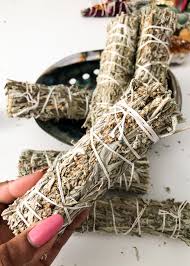
Smudging with sage is a special and ancient practice that many people still do today. It’s a way to cleanse and purify the air, your space, and even yourself. It’s like giving your surroundings a refreshing shower, but with the power of sage.
To smudge with sage, you need a bundle of dried sage leaves. This bundle is often called a “sage smudge stick.” It’s a bunch of sage leaves tied together with a string. You light one end of the smudge stick, and it starts to smolder and release a fragrant smoke.
People use this smoke to cleanse their homes. They walk around their house while gently waving the smudge stick, letting the smoke fill every corner. It’s like sending away any bad energy or negative vibes that might be lingering. People believe that the smoke from sage has a way of clearing away any bad stuff and making the space feel fresh and positive.
But smudging with sage isn’t just for houses; it’s also used to cleanse people. Some people smudge themselves by gently wafting the smoke over their bodies. It’s a way to release any stress, negativity, or worries, and to start feeling better.
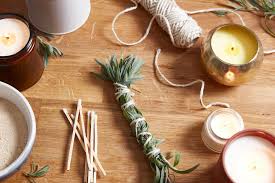
Smudging is often done during special occasions or when something important is happening. For example, some people smudge before a big event, like a wedding or a ceremony. It’s a way to make sure everything starts with a clean and positive energy.
Sage smudging is more than just a nice smell. It’s a tradition that connects people to their past and to the natural world. The sage plant has been seen as a symbol of wisdom and healing for a very long time, and smudging is a way to harness its power.

In simple words, smudging with sage means using the fragrant smoke from burning sage leaves to make things feel clean and fresh, both in your home and in yourself. It’s a tradition that brings positive energy and a sense of peace.
Read Also: Steps in Conducting Soil Test Calibration and Fertilizer Recommendation
Sage Cleansing
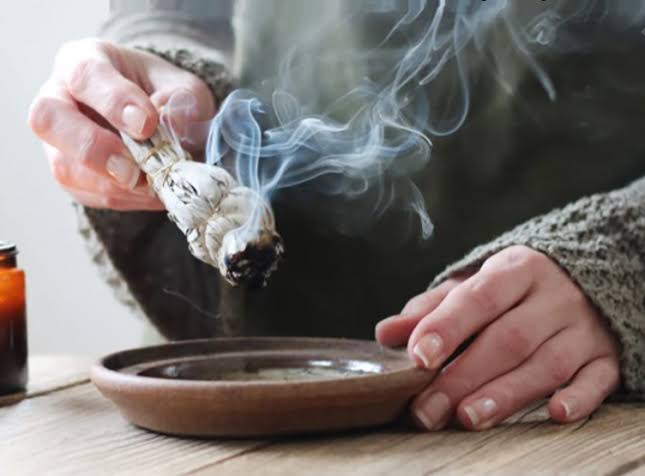
Sage cleansing is a way to make spaces feel better. It’s like giving your home a spa day, but instead of fancy oils and lotions, you use a special plant called sage.
Here is how it works

1. Get Some Sage: First, you need a bundle of dried sage leaves. It’s like a bunch of dried-up sage plants tied together. You can find these at a store or even make your own if you have sage in your garden.
2. Light It Up: Now, take one end of the sage bundle and light it on fire, but just for a moment. Let it burn for a little while until it starts to smolder. When you blow out the flames, you’ll see fragrant smoke.
3. Wave It Around: This is the fun part. You walk around your space while waving the smoky sage bundle. The smoke goes everywhere, like a sweet-scented cloud. It’s like saying, “Bad vibes, go away!”
4. Positive Vibes: People believe that the sage smoke clears away any negativity or bad energy. It’s like pressing a reset button for the atmosphere. You’re left with a clean and happy feeling.
People use sage cleansing for all sorts of reasons. Maybe they’ve had a bad day, or they want their home to feel cozy and welcoming. Sometimes, they do it before something special, like a big party or an important event. It’s like giving the place a fresh start.
In simple words, sage cleansing is like using a magical air freshener. It’s an old tradition that helps make your space feel clean and happy. So, if you see someone waving a smoky bundle of sage around, they’re probably just making their place feel awesome.
Frequently Asked Questions About Sage Tea
1. What is Sage tea?
Sage tea is a herbal infusion made from the leaves of Salvia officinalis, a plant known for its medicinal and aromatic properties.
2. What are the main benefits of Sage tea?
It improves memory, supports hormonal balance, boosts immunity, and promotes oral and digestive health.
3. Can Sage tea help with menopause symptoms?
Yes, it helps reduce hot flashes, sweating, and hormonal fluctuations associated with menopause.
4. Is Sage tea good for digestion?
Yes, it stimulates digestive enzymes, eases bloating, and helps relieve mild indigestion.
5. Does Sage tea help with sore throat or oral infections?
Yes, it has antibacterial properties that soothe sore throats and combat mouth bacteria.
6. Can Sage tea improve memory?
Yes, its active compounds enhance brain function, concentration, and cognitive performance.
7. Is Sage tea safe for daily consumption?
Yes, moderate consumption (1–2 cups per day) is safe for most people, but excessive use should be avoided.
8. Does Sage tea lower blood sugar?
Yes, studies suggest it helps stabilize blood glucose and improve insulin sensitivity.
9. How is Sage tea prepared?
Steep 1–2 teaspoons of dried Sage leaves in hot water for 5–10 minutes, strain, and enjoy plain or with honey.
10. Can pregnant women drink Sage tea?
It’s best to avoid Sage tea during pregnancy and breastfeeding unless recommended by a healthcare professional.
Do you have any questions, suggestions, or contributions? If so, please feel free to use the comment box below to share your thoughts. We also encourage you to kindly share this information with others who might benefit from it. Since we can’t reach everyone at once, we truly appreciate your help in spreading the word. Thank you very much for your support and for sharing!
Disclaimer: This article is for educational and informational purposes only. The health benefits described are based on scientific research and traditional knowledge. They are not a substitute for professional medical advice, diagnosis, or treatment. Always consult a healthcare professional before using any herb or natural remedy for medical purposes.