


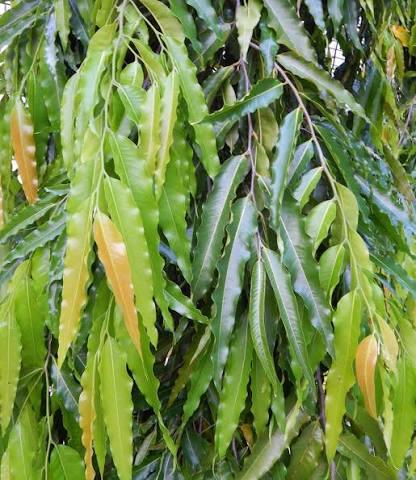
The Ashoka tree, scientifically known as Saraca asoca, is a revered and sacred tree in many cultures, particularly in South Asia. Beyond its cultural significance, this magnificent tree is renowned for its numerous medicinal health benefits. In this article, we will explain the rich history of Ashoka tree's medicinal use, explain its botanical description, and highlight its impressive array of health-promoting properties.
The Ashoka tree has a storied history dating back thousands of years, where it was held in high esteem for its medicinal properties. Its name, Ashoka literally means without sorrow in Sanskrit, reflecting its historical role in alleviating various ailments and promoting well-being.
In traditional Ayurvedic medicine, which dates back over 3,000 years, the Ashoka tree's bark, leaves, flowers, and seeds were utilized to prepare herbal remedies. These remedies were believed to address a wide range of health issues, from digestive disorders to gynecological problems. Over time, the Ashoka tree became a symbol of healing, fertility, and spiritual purity in many cultures.
The Botanical Description of Ashoka Tree
Understanding the botanical characteristics of the Ashoka tree is essential to appreciate its beauty and medicinal potential fully. Here are six key aspects of the botanical description of the Ashoka tree:
1. Growth Habit: The Ashoka tree is a medium-sized evergreen tree that typically reaches heights of 20 to 30 feet (6 to 9 meters). It has a slender and elegant appearance.
2. Leaves: The leaves of the Ashoka tree are dark green, pinnately compound, and arranged alternately on the branches. Each leaflet is lance-shaped with a pointed tip.
🌿 Go Organic on Your Farm: Instead of harmful chemical pesticides and fertilisers, try our organic farming products — including neem oil spray, bio-pesticides, natural plant treatments, organic seeds and seedlings, suckers, and many more organic products that are safe for your health, your family, your soil and your harvest. Shop Now →
3. Flowers: Ashoka tree's flowers are one of its most striking features. They are bright orange-red or yellow and are borne in dense clusters, creating a visually captivating spectacle.
4. Bark: The bark of the Ashoka tree is grayish-brown and smooth when young, gradually becoming rough and furrowed as the tree matures.
5. Fruits: The tree produces elongated, cylindrical fruits that contain flat, brown seeds. These seeds have been historically used in traditional medicine.
6. Aroma: The Ashoka tree is known for its pleasant and aromatic flowers, which emit a sweet and captivating fragrance.
🔧 Free Farm Tool Available: Use our free Agric4Profits Farm Tools to calculate your farm profits, formulate feeds, identify pests and diseases on both your crops and animal farms, plan your planting and harvesting season, including many more farm tasks to get free expert advice and recommendations — completely free, no registration required. Access Free Tools →
The Ashoka tree's botanical features contribute to its visual appeal and its importance in traditional medicine. Its elegant form and vibrant flowers make it a valuable addition to gardens and landscapes, while its medicinal properties continue to be explored and harnessed.
The Geographic Distribution of Ashoka Tree
The Ashoka tree (Saraca asoca) exhibits a specific geographic distribution pattern, primarily found in regions with suitable climate and soil conditions. Here are seven key points regarding the geographic distribution of the Ashoka tree:
1. Native to South Asia: The Ashoka tree is native to the Indian subcontinent and is primarily found in countries such as India, Nepal, Sri Lanka, and Bangladesh.
2. Subtropical and Tropical Regions: It thrives in subtropical and tropical regions, where it enjoys a warm and humid climate. These regions provide the ideal conditions for its growth.
3. Preferred Altitudes: Ashoka trees are commonly found at altitudes ranging from sea level to around 2,000 meters (6,500 feet) above sea level.
💬 Have a Farming Question? Join thousands of farmers across Africa on the Agric4Profits Community — ask questions, share experiences and connect with agricultural experts. It is completely free. Ask Your Question Now →
4. Rainfall Requirements: The tree prefers areas with moderate to heavy rainfall, typically between 1,000 to 2,500 millimeters (40 to 100 inches) annually.
5. Well-Drained Soil: Ashoka trees grow best in well-drained soils that are rich in organic matter. They are often found in forests and hilly areas.
6. Sacred Groves: In some regions, the Ashoka tree is considered sacred, and individual trees or groves are protected for their cultural and religious significance.
7. Cultivation Beyond Native Range: Due to its cultural and medicinal importance, efforts have been made to cultivate Ashoka trees in gardens and landscapes beyond their native range, where climate conditions permit.
The Chemical Composition of Ashoka Tree
The Ashoka tree (Saraca asoca) contains a variety of chemical compounds, some of which contribute to its potential medicinal properties. Here are eight key constituents found in the chemical composition of the Ashoka tree:
1. Flavonoids: Ashoka tree bark and leaves contain flavonoids, which have antioxidant and anti-inflammatory properties.
2. Tannins: Tannins in the bark contribute to its astringent properties, making it useful in traditional medicine.
3. Alkaloids: Certain alkaloids may be present in Ashoka tree extracts, potentially affecting its medicinal effects.
4. Saponins: Saponins are compounds found in various parts of the tree, which may have detergent-like properties and potential health benefits.
📖 Want to Go Deeper on This Topic?
Our expert agricultural ebooks cover poultry, fish farming, different crops production, snail farming, organic farming, mushrooms, sheep, cattle, flowers, pig farming, goat farming, agribusiness, etc. in practical step-by-step detail — written by agricultural professionals for African farmers.
Browse All Farming Ebooks →5. Glycosides: The presence of glycosides in Ashoka tree leaves and bark is of interest for their potential therapeutic actions.
6. Phenolic Compounds: Phenolic compounds, including phenolic acids and polyphenols, contribute to the tree's antioxidant properties.
7. Terpenoids: Terpenoids are secondary metabolites found in the leaves, bark, and flowers, potentially contributing to its pharmacological effects.
8. Essential Oils: The Ashoka tree may contain essential oils with distinct aromatic properties.
The Cultivation and Growth of Ashoka Tree
Cultivating and nurturing the Ashoka tree (Saraca asoca) require specific considerations to ensure its healthy growth and development. Here are six key aspects of the cultivation and growth of the Ashoka tree:
1. Climate: The Ashoka tree thrives in subtropical and tropical climates with warm temperatures and moderate to heavy rainfall.
2. Soil Requirements: It prefers well-drained soils that are rich in organic matter. The soil should have good moisture retention properties.
3. Sunlight: The Ashoka tree requires full to partial sunlight for optimal growth. It should be planted in a location with adequate sunlight exposure.
4. Watering: Young Ashoka trees require regular watering to establish their root systems. Once established, they can tolerate short periods of drought.
5. Pruning: Pruning should be done to maintain the tree's shape and remove dead or diseased branches. It is typically done after the flowering season.
6. Fertilization: Ashoka trees benefit from occasional fertilization with balanced, slow-release fertilizers to support healthy growth.
The Harvesting and Processing of Ashoka Tree
The harvesting and processing of the Ashoka tree (Saraca asoca) are important steps to preserve its medicinal properties effectively. Here are seven key points regarding the harvesting and processing of the Ashoka tree:
1. Bark Harvesting: The bark of the Ashoka tree is the primary part used for medicinal purposes. It is harvested carefully to avoid damaging the tree.
2. Bark Drying: After harvesting, the bark is dried in the shade to preserve its active compounds and prevent degradation.
3. Storage Conditions: Proper storage conditions are essential to maintain the quality of Ashoka tree bark. It should be stored in a cool, dry place away from direct sunlight.
4. Bark Powder: In some cases, the dried bark is ground into a fine powder, which is then used to prepare herbal remedies.
5. Extraction Methods: Active compounds from the bark may be extracted using various methods, including water-based or solvent-based extractions.
6. Quality Control: Quality control measures ensure that the harvested and processed Ashoka tree bark meets safety and efficacy standards for medicinal use.
7. Formulations: The processed bark or extracts can be used to prepare various formulations, such as tinctures, capsules, or herbal teas, for medicinal purposes.
Read Also: 15 Medicinal Health Benefits Of Amomum ovoideum (Ovate-Leafed Cardamom)
The Medicinal Health Benefits Of Ashoka Tree (Saraca asoca)

The Ashoka tree (Saraca asoca) has been treasured for centuries in traditional medicine systems for its remarkable medicinal properties. Here are 18 of the most prominent medicinal health benefits associated with the Ashoka tree:
1. Menstrual Disorders: Ashoka tree is known for its ability to regulate menstrual cycles and alleviate conditions like irregular periods and excessive bleeding.
2. Uterine Tonic: It acts as a uterine tonic, supporting uterine health and helping with conditions like uterine fibroids.
3. Postpartum Recovery: Ashoka tree is traditionally used to aid in postpartum recovery, helping new mothers regain strength and vitality.
4. Fertility Enhancement: It may promote fertility by addressing underlying reproductive issues and improving overall reproductive health.
5. Anti-Inflammatory: The tree possesses anti-inflammatory properties, making it useful for managing conditions with inflammatory components.
6. Antioxidant Effects: Ashoka tree contains antioxidants that combat free radicals, potentially reducing the risk of chronic diseases.
7. Antispasmodic: It has antispasmodic properties, relieving muscle spasms and cramps.
8. Digestive Health: Ashoka tree may aid in digestion, alleviating digestive discomfort and supporting overall gastrointestinal health.
9. Blood Purification: It is believed to purify the blood and promote detoxification.
10. Wound Healing: Topical applications of Ashoka tree extracts may accelerate wound healing and reduce inflammation.
11. Skin Health: It can improve skin health and address skin conditions when used topically.
12. Diuretic: Ashoka tree may act as a diuretic, promoting the elimination of excess fluids from the body.
13. Antidiabetic Potential: Some studies suggest potential antidiabetic effects, aiding in blood sugar regulation.
14. Respiratory Health: It may help manage respiratory conditions such as asthma and bronchitis.
15. Anxiety Reduction: Ashoka tree's calming properties may help reduce anxiety and stress.
16. Immune Support: It may strengthen the immune system, helping the body fend off infections.
17. Liver Health: Ashoka tree may support liver health and detoxification processes.
18. Cardiovascular Health: Some research indicates that it may have a positive impact on heart health by lowering cholesterol levels.
Methods of Usage to Achieve the Provided Health Benefits Of Ashoka Tree (Saraca asoca)
To harness the medicinal health benefits of the Ashoka tree effectively, various methods of usage can be employed. Here are ten effective ways to utilize the Ashoka tree for optimal health benefits:
1. Herbal Teas: Prepare Ashoka tree bark or leaf teas to address menstrual issues and promote overall well-being.
2. Tinctures: Tinctures made from Ashoka tree extracts can be taken orally to achieve specific health goals.
3. Capsules and Supplements: Ashoka tree supplements are available in capsule form, providing a convenient way to incorporate it into your daily routine.
4. Topical Applications: Ashoka tree extracts can be used topically in the form of creams or oils for wound healing and skin conditions.
5. Decoctions: Create decoctions by boiling Ashoka tree bark or leaves in water for internal consumption.
6. Ayurvedic Formulations: Explore Ayurvedic preparations that include Ashoka tree as a key ingredient for holistic health benefits.
7. Steam Inhalation: Inhale the steam from Ashoka tree-infused water to address respiratory issues.
8. Aromatherapy: Use Ashoka tree essential oil in aromatherapy to promote relaxation and emotional well-being.
9. Poultices: Apply poultices made from Ashoka tree extracts to alleviate pain and inflammation.
10. Traditional Remedies: Consult traditional medicine practitioners for specific Ashoka tree remedies tailored to your needs.
Side Effects Of Using Ashoka Tree Medicinal Plant
While Ashoka tree offers numerous health benefits, it's important to be aware of potential side effects and precautions:
1. Dosage: Ensure that you follow recommended dosages, as excessive consumption may lead to adverse effects.
2. Allergic Reactions: Some individuals may be sensitive or allergic to Ashoka tree extracts. Perform a patch test before using topically or internally.
3. Pregnancy and Breastfeeding: Pregnant and breastfeeding individuals should consult a healthcare professional before using Ashoka tree due to limited safety data.
4. Children: Use Ashoka tree products cautiously on children and seek guidance from healthcare providers.
5. Drug Interactions: Consult a healthcare provider if you are taking medications, as there may be potential interactions.
6. Quality Assurance: Ensure you use high-quality Ashoka tree products to avoid contaminants or adulterants.
7. Pre-existing Conditions: Individuals with pre-existing medical conditions should consult healthcare professionals before using Ashoka tree remedies.
8. Rare Side Effects: Although rare, side effects like gastrointestinal discomfort or skin irritation may occur in some individuals.
Scientific Evidence and Case Studies on Ashoka Tree
1. Gynecological Health Benefits: Studies show that Saraca asoca (Ashoka Tree) bark extract possesses phytoestrogenic compounds that help regulate menstrual cycles, reduce menstrual pain, and alleviate symptoms of hormonal imbalance.
2. Anti-inflammatory Properties: Research indicates that extracts of the Ashoka bark and leaves exhibit strong anti-inflammatory activity, helping to reduce swelling and joint pain.
3. Antioxidant Potential: Scientific investigations have revealed that Ashoka contains flavonoids, tannins, and glycosides that act as antioxidants, protecting cells from oxidative stress and premature aging.
4. Antimicrobial Effects: Studies demonstrate that Saraca asoca exhibits antibacterial and antifungal properties effective against several human pathogens.
5. Anti-ulcer and Gastroprotective Activity: Evidence suggests that Ashoka bark extract helps protect the stomach lining from ulcers and supports digestive health by reducing acidity.
Nutritional Value Of Ashoka Tree
1. Rich in Phytochemicals: The bark and leaves contain alkaloids, flavonoids, saponins, and tannins, which contribute to its healing and therapeutic effects.
2. Contains Essential Minerals: Ashoka provides small amounts of calcium, magnesium, and iron that help strengthen bones and improve blood quality.
3. Natural Antioxidants: The tree’s bioactive compounds support cellular health and combat oxidative damage.
4. Supports Female Reproductive Health: Traditionally, Ashoka is known to balance hormones, regulate menstrual flow, and reduce discomfort during menstruation.
5. Promotes Digestive Health: It supports gastrointestinal function and helps protect against ulcers and indigestion.
6. Strengthens Immunity: The antioxidant and antimicrobial compounds help boost the immune system and resist infections.
7. Low in Calories: As a herbal supplement, Ashoka offers medicinal benefits without adding excess calories.
Read Also: 11 Medicinal Health Benefits of Barbarea vulgaris (Yellow Rocket)
The Safety Precautions and Recommendations In Using Ashoka Tree Medicinal Plant

While Ashoka tree (Saraca asoca) offers various health benefits, it's crucial to use it safely and responsibly. Here are six safety precautions and recommendations to consider when using the Ashoka tree for medicinal purposes:
1. Consult a Healthcare Professional: Before using Ashoka tree remedies, especially if you have pre-existing medical conditions or are pregnant, breastfeeding, or taking medications, consult a qualified healthcare professional for guidance.
2. Dosage Awareness: Follow recommended dosages and usage instructions provided by healthcare practitioners or on product labels. Avoid excessive consumption.
3. Allergy Testing: Perform a patch test when using Ashoka tree extracts topically. Apply a small amount on a small area of your skin to check for allergic reactions or skin sensitivities.
4. Quality Assurance: Ensure you source Ashoka tree products from reputable suppliers that adhere to quality and safety standards. This helps avoid contaminants or adulterants.
5. Children and Pets: Use Ashoka tree products cautiously on children, and keep them out of reach of pets, as it may not be safe for them.
6. Monitor for Side Effects: Be vigilant for any adverse effects when using Ashoka tree remedies. If you experience any unexpected or severe reactions, discontinue use and seek medical advice.
The Legal Status and Regulations In Using Ashoka Tree Medicinal Plant
The legal status and regulations surrounding the use of the Ashoka tree for medicinal purposes may vary by region and country. Therefore, it is essential to research and understand the specific regulations in your area. Generally, here are some key points to consider:
1. Conservation Status: Check if the Ashoka tree is listed as a protected or endangered species in your region. Harvesting or using protected species may be subject to legal restrictions.
2. Cultivation Permits: In some areas, you may require permits or permissions to cultivate Ashoka trees, especially if they are considered native or endangered species.
3. Trade Regulations: If you plan to trade or export Ashoka tree products, be aware of international and local trade regulations, including CITES (Convention on International Trade in Endangered Species of Wild Fauna and Flora).
4. Quality Standards: Ensure that any Ashoka tree products you purchase meet quality and safety standards, especially if used for medicinal or cosmetic purposes.
5. Indigenous Rights: Respect the rights and knowledge of indigenous communities regarding the sustainable use of Ashoka tree resources.
FAQs About Ashoka Tree Medicinal Plant
Here are 18 frequently asked questions (FAQs) about the Ashoka tree (Saraca asoca) and its medicinal use, along with their explanations:
1. Is Ashoka tree safe for pregnant women?
Pregnant women should consult a healthcare professional before using Ashoka tree remedies due to limited safety data.
2. Can Ashoka tree help with fertility issues?
Ashoka tree is traditionally used to promote fertility, but individual results may vary.
3. Are there any known drug interactions with Ashoka tree remedies?
Consult a healthcare provider if you are taking medications, as there may be potential interactions.
4. Is it safe to use Ashoka tree for children's health issues?
Use Ashoka tree products for children cautiously and under the guidance of healthcare professionals.
5. Can Ashoka tree be used for skin conditions?
Topical applications of Ashoka tree extracts may help with certain skin conditions, but consult with a dermatologist for personalized advice.
6. Does Ashoka tree have any sedative effects?
Ashoka tree is not typically known for sedative effects, but it may promote relaxation in some individuals.
7. Is Ashoka tree used in modern medicine?
While it is primarily used in traditional and alternative medicine, some studies explore its potential medicinal applications.
8. Can Ashoka tree help with digestive problems?
Ashoka tree may aid in digestion and alleviate digestive discomfort.
9. Is Ashoka tree a protected species?
The conservation status of Ashoka tree varies by region, so check local regulations.
10. How is Ashoka tree harvested sustainably?
Efforts should be made to harvest Ashoka tree bark sustainably and minimize harm to the tree.
11. Can I grow an Ashoka tree in my garden?
Depending on your climate and local regulations, you may be able to cultivate Ashoka trees in your garden.
12. Are there any side effects of Ashoka tree for men?
Side effects are possible for both men and women, so monitor for any adverse reactions.
13. Can Ashoka tree be used for respiratory conditions?
It may help manage respiratory conditions, but consult with a healthcare professional for guidance.
14. What is the best way to prepare Ashoka tree remedies at home?
It is best to consult with an experienced herbalist or healthcare practitioner for personalized home remedies.
15. Does Ashoka tree have any impact on blood pressure?
Individual responses may vary, so consult with a healthcare provider if you have concerns about blood pressure.
Read Also: 4 Batteries Recycling Process Complete Guide
🌱 Take Your Farming Further With Agric4Profits
Based on what you just read, here are free resources and products from Agric4Profits that can help your farm right now:
- 🛒 Visit Our Marketplace — Organic neem oil, bio-pesticides, seeds and farming products
- 📚 Read Premium Content — Advanced guides for serious and profitable farming
- 🎓 Join Our Free Academy — Structured free training for farmers across Africa
- 🔧 Use Our Free Farm Tools — Profit calculators, feed formulation, pest identifier and more
- 💬 Join Our Farming Community — Connect with farmers across all 54 African countries
- ❓ Ask a Farming Question — Get answers from experienced farmers and agricultural experts
Please cite this content in academic work, research, or publications.