


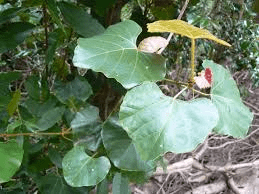
Rhoicissus tomentosa, commonly known as Wild Grape or Velvet Leaf, is a climbing vine that belongs to the Vitaceae family. This plant is native to various regions of Africa and is known for its distinct physical characteristics and potential medicinal properties.
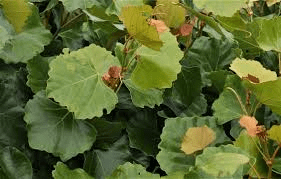
The leaves of Rhoicissus tomentosa are heart-shaped, featuring a deep green color and a unique velvety texture. The leaves are covered in fine, soft hairs, which contribute to its common name Velvet Leaf. These hairs give the leaves a tactile quality and can be easily felt when touched.
This climbing vine has stems covered in the same velvety hairs found on its leaves. The stems are flexible and tend to cling to support structures, allowing the plant to climb and sprawl. As the plant matures, it forms a lush, green canopy that can be quite striking when in full growth.
The flowers of Rhoicissus tomentosa are small and inconspicuous, arranged in clusters or inflorescences. These clusters can vary in size and appearance, with colors ranging from pale green to yellowish. While the individual flowers might not stand out, they play a crucial role in the plant’s reproductive cycle.
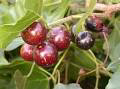
One of the most distinctive features of Rhoicissus tomentosa is its grape-like fruits. These small, round fruits grow in clusters and transition from green to dark purple as they ripen. The resemblance to grapes is not only visual but also extends to the taste and texture of the fruit, although they are usually smaller and not as fleshy as cultivated grapes.
Rhoicissus tomentosa is commonly found in a variety of habitats, including woodlands, thickets, and disturbed areas. It has a wide distribution across different parts of Africa, making it a familiar sight in many landscapes.
Rhoicissus tomentosa holds cultural and traditional significance in various regions. Indigenous communities have used different parts of the plant for their medicinal properties, demonstrating the plant’s historical importance in local healing practices.
Read Also: 14 Medicinal Health Benefits of Citron (Citrus Medica)
The Medicinal Health Benefits of Rhoicissus tomentosa (Wild Grape)
1. Anti-Inflammatory Properties: Rhoicissus tomentosa contains compounds that exhibit anti-inflammatory effects. These compounds can help reduce inflammation in the body, potentially benefiting conditions like arthritis and inflammatory diseases.
2. Digestive Aid: Extracts from Rhoicissus tomentosa have been traditionally used to support digestive health. They can help alleviate digestive discomfort and promote smoother digestion.
3. Antioxidant Rich: With its high content of antioxidants, Rhoicissus tomentosa helps combat oxidative stress and free radicals in the body. This antioxidant defense may contribute to a lower risk of chronic diseases.
4. Wound Healing: The plant’s properties can aid in wound healing and skin regeneration. Applying Rhoicissus tomentosa preparations to wounds might enhance the healing process.
5. Respiratory Support: Its anti-inflammatory and soothing properties make it beneficial for respiratory health. It can offer relief from respiratory discomfort and irritation.
6. Immune Booster: Compounds found in Rhoicissus tomentosa can strengthen the immune system, enhancing the body’s ability to defend against infections and illnesses.
7. Blood Sugar Regulation: Research suggests that Rhoicissus tomentosa may play a role in regulating blood sugar levels, which is particularly important for individuals with diabetes.
8. Cardiovascular Health: This plant could contribute to cardiovascular well-being by supporting proper circulation and helping to reduce oxidative stress on the heart.
9. Pain Management: The plant’s analgesic properties make it a potential natural remedy for managing pain, providing relief from discomfort.
10. Bone Health: Rich in minerals like calcium and magnesium, Rhoicissus tomentosa may contribute to maintaining strong and healthy bones.
11. Stress Relief: Compounds in the plant can have calming effects, assisting in stress and anxiety management.
12. Skin Health: When applied topically, Rhoicissus tomentosa might help with skin conditions like eczema and dermatitis, promoting healthier skin.
13. Anti-Microbial Effects: The plant possesses antimicrobial properties that could aid in combating certain infections.
14. Anti-Allergic Effects: Some compounds in Rhoicissus tomentosa may help alleviate allergic reactions and sensitivities.
15. Anti-Diarrheal Properties: Traditional uses include using this plant to manage diarrhea and related symptoms.
16. Eye Health: It contains nutrients that could contribute to maintaining good vision and overall eye health.
17. Anti-Cancer Potential: While research is ongoing, certain compounds in Rhoicissus tomentosa show promise in inhibiting the growth of specific cancer cells.
18. Liver Support: The plant might assist in detoxifying and supporting optimal liver function.
19. Menstrual Comfort: Traditional uses include easing menstrual discomfort and irregularities.
20. Anti-Aging Benefits: Its antioxidants and nutrients may contribute to youthful skin and overall well-being.
Read Also: 14 Medicinal Health Benefits of Citron (Citrus Medica)
The Methods of Usage to Achieve the Provided Health Benefits of Rhoicissus tomentosa (Wild Grape)
1. Infusions and Teas: Prepare infusions or teas using dried Rhoicissus tomentosa leaves, stems, or a combination of both. Steep the plant material in hot water to extract its beneficial compounds. This method allows you to ingest the plant’s goodness in a liquid form.
2. Tinctures: Create tinctures by soaking Rhoicissus tomentosa in alcohol or a solvent like glycerin. Tinctures offer a concentrated form of the plant’s active constituents and are typically taken in small doses.
3. Topical Applications: For skin-related benefits, apply creams, lotions, or oils infused with Rhoicissus tomentosa extracts directly to the affected area. This can aid in wound healing, skin conditions, and localized discomfort.
4. Culinary Use: In some cultures, the ripe fruits of Rhoicissus tomentosa are consumed as a fruit snack. While not a primary medicinal use, incorporating them into your diet can still provide certain nutrients.
5. Poultices: Create poultices by crushing fresh or dried Rhoicissus tomentosa leaves and applying them directly to the skin. This method is particularly useful for skin issues and localized discomfort.
6. Herbal Baths: Infuse baths with Rhoicissus tomentosa by adding dried leaves or stems to warm bathwater. This method allows your skin to absorb the beneficial properties during a relaxing soak.
7. Inhalations: Inhale steam infused with Rhoicissus tomentosa extracts to benefit from its respiratory-supporting properties. Be cautious with this method to avoid burns or discomfort.
8. Compresses: Soak a cloth in a diluted solution of Rhoicissus tomentosa infusion and apply it as a compress to the desired area. Compresses can be helpful for addressing localized concerns.
9. Herbal Preparations: Incorporate Rhoicissus tomentosa extracts into homemade herbal preparations, such as capsules or herbal blends, for convenient consumption.
10. Consultation with Herbalists: If you’re unsure about the appropriate methods of usage or dosage, seek guidance from experienced herbalists or healthcare professionals who have knowledge of traditional remedies.
The Side Effects of Using Rhoicissus tomentosa Medicinal Plant
1. Infusions and Teas: Create infusions or teas using dried Rhoicissus tomentosa leaves or stems. Steep the plant material in hot water to extract its beneficial compounds. This method allows you to enjoy the plant’s goodness in a soothing liquid form.
2. Tinctures: Prepare tinctures by soaking Rhoicissus tomentosa in alcohol or glycerin. Tinctures provide a concentrated solution of the plant’s active components and are usually taken in small doses.
3. Topical Applications: For skin-related benefits, apply creams, lotions, or oils infused with Rhoicissus tomentosa extracts directly to the skin. This approach can aid in wound healing, skin conditions, and localized discomfort.
4. Culinary Use: In certain cultures, the ripe fruits of Rhoicissus tomentosa are consumed as a snack. While not primarily medicinal, incorporating them into your diet can still provide some nutrients.
5. Poultices: Make poultices by crushing fresh or dried Rhoicissus tomentosa leaves and applying them to the skin. This method is effective for addressing skin issues and localized discomfort.
6. Herbal Baths: Enhance your baths by infusing them with Rhoicissus tomentosa. Add dried leaves or stems to warm bathwater to allow your skin to absorb the beneficial properties during a relaxing soak.
7. Inhalations: Inhale steam infused with Rhoicissus tomentosa extracts to support respiratory health. Be cautious to avoid burns or discomfort while using this method.
8. Compresses: Soak a cloth in a diluted Rhoicissus tomentosa infusion and use it as a compress on specific areas. Compresses can be beneficial for addressing localized concerns.
9. Herbal Preparations: Incorporate Rhoicissus tomentosa extracts into homemade herbal preparations, such as capsules or blends, for convenient consumption.
10. Consultation with Herbalists: If you’re uncertain about the appropriate methods of usage or dosage, seek guidance from experienced herbalists or healthcare professionals who are knowledgeable about traditional remedies.
Nutritional Value of Rhoicissus tomentosa (Wild Grape)
1. Oleanolic Acid: Oleanolic acid, a triterpenoid isolated from the roots, leaves, and fruits of Rhoicissus tomentosa, exhibits anti-inflammatory and hepatoprotective properties, supporting its traditional use in managing inflammation and liver health.
2. β-Sitosterol: This phytosterol, found in the roots and fruits, contributes to cholesterol-lowering effects and supports prostate and cardiovascular health by reducing lipid absorption in the intestines.
3. Quercitrin: A flavonoid glycoside present in the leaves and fruits, quercitrin provides strong antioxidant activity, helping to neutralize free radicals and potentially reducing the risk of oxidative stress-related diseases.
4. (+)-Catechin: This flavonoid, abundant in the roots, leaves, and fruits, offers antioxidant and anti-inflammatory benefits, promoting cardiovascular health and aiding in the prevention of cellular damage.
5. Stigmasterol: A sterol compound in the roots and fruits, stigmasterol has anti-inflammatory and potential antidiabetic properties, contributing to blood sugar regulation and immune support.
6. 3β-Taraxerol: This triterpene, isolated from the roots, exhibits antimicrobial effects and supports wound healing, aligning with the plant’s traditional applications for infections.
7. Aromadendrin-7-O-β-glucopyranoside: A flavonoid glycoside in the leaves and fruits, it provides antioxidant protection and may contribute to anti-inflammatory responses in the body.
8. Vitamin C: The edible purple fruits are rich in vitamin C, an essential antioxidant that boosts immune function, enhances collagen synthesis, and supports skin health.
9. Dietary Fiber: Present in the fruits, dietary fiber aids digestion, promotes gut health, and helps in maintaining healthy cholesterol levels and blood sugar control.
10. Lutein: This carotenoid pigment found in the fruits offers eye health benefits by protecting against age-related macular degeneration and reducing oxidative damage in the retina.
The nutritional profile of Rhoicissus tomentosa, especially its fruits and bioactive compounds, underscores its value in traditional diets and medicine for antioxidant, anti-inflammatory, and digestive support. However, moderation is advised due to potential toxicity in excess consumption of fruits or roots.
Scientific Evidence and Case Studies on Rhoicissus tomentosa
1. Phytochemical Isolation and Chemotaxonomy: Bopape et al. (2021) isolated nine compounds from the roots, leaves, and fruits of Rhoicissus tomentosa, including terpenoids like 3β-taraxerol, stigmasterol, oleanolic acid, and β-sitosterol, and flavonoids such as quercitrin, (+)-catechin, and aromadendrin-7-O-β-glucopyranoside, along with pigments pheophytin a and lutein, demonstrating potential antioxidant and anti-inflammatory benefits through structural elucidation via NMR and MS (Bopape, F. B., Moremedi, T. M., & Van Wyk, B. E., 2021, South African Journal of Botany, 137, 189-195).
2. Antioxidant Activity: Nondumiso et al. (2021) conducted phytochemical screening on Rhoicissus tomentosa rhizomes, revealing high levels of flavonoids and other antioxidants that exhibited significant free radical scavenging activity in vitro, supporting its use in oxidative stress-related conditions (Nqolo, N. L., 2008, Phytochemical Study of Rhoicissus Tomentosa, Master’s Thesis, University of the Western Cape).
3. Anti-inflammatory Potential: Ziqubu et al. (2021) reviewed methanolic extracts of Rhoicissus tomentosa leaves and stems, showing inhibition of 15-LOX enzyme with IC50 values indicating strong anti-inflammatory effects, attributed to flavonoids and terpenoids, validating traditional uses for pain and swelling (Ziqubu, N. L., Semenya, S. S., & Maroyi, A., 2021, Plants, 10(4), 741).
4. Antimicrobial Properties: Uche-Okereafor et al. (2015) analyzed crude rhizome extracts of Rhoicissus tomentosa using GCxGC TOF-MS, identifying bioactive compounds that demonstrated antibacterial activity against Gram-positive and Gram-negative bacteria, suggesting benefits for treating infections (Uche-Okereafor, N., Ndinteh, D. T., Niemann, N., & Mavumengwana, V., 2015, Proceedings of the International Conference on Advances in Science, Engineering, Technology and Natural Resources, Singapore).
5. Traditional and Pharmacological Review: Ziqubu et al. (2021) summarized pharmacological studies on Rhoicissus tomentosa, highlighting its antimicrobial, antioxidant, and anti-inflammatory activities from extracts, with evidence from in vitro assays supporting health benefits for gastrointestinal and gynecological issues (Ziqubu, N. L., Semenya, S. S., & Maroyi, A., 2021, Plants, 10(4), 741).
6. Uterotonic Activity: Brookes and Katsoulis (2006) investigated related Rhoicissus species but noted similar bioactive components in R. tomentosa, showing uterotonic effects in isolated rat uterus models due to flavonoids and saponins, indicating potential for facilitating delivery in traditional pregnancy uses (Brookes, H. B., & Katsoulis, L. C., 2006, Journal of Ethnopharmacology, 105(3), 350-356).
Frequently Asked Questions About Rhoicissus tomentosa
1. What is Rhoicissus tomentosa used for in traditional medicine?
It is used in South African traditional medicine to treat gynecological problems, stomach ailments, infections, and to facilitate childbirth, with roots often prepared as decoctions.
2. Are the fruits of Rhoicissus tomentosa edible?
Yes, the purple, grape-like fruits are edible and can be used to make jam, jelly, or wine, but they should be consumed in moderation to avoid colic or diarrhea.
3. Does Rhoicissus tomentosa have antioxidant properties?
Yes, its flavonoids and terpenoids, such as quercitrin and oleanolic acid, exhibit strong antioxidant activity in studies, helping combat oxidative stress.
4. Can Rhoicissus tomentosa help with inflammation?
Extracts from leaves and stems show anti-inflammatory effects by inhibiting enzymes like 15-LOX, supporting its traditional use for pain relief.
5. Is Rhoicissus tomentosa safe during pregnancy?
It is traditionally used to tone the uterus and ease delivery, but due to potential uterotonic effects, it should only be used under professional guidance to avoid risks.
6. What are the antimicrobial benefits of Rhoicissus tomentosa?
Rhizome extracts demonstrate activity against bacteria, validating its use for treating infections and sexually transmitted diseases in traditional practices.
7. Where is Rhoicissus tomentosa native to?
It is native to southern Africa, from Tanzania to South Africa, thriving in afro-montane forests, riverine areas, and coastal regions.
8. How is Rhoicissus tomentosa used ornamentally?
As an evergreen climber, it is popular in gardens for covering walls, fences, or as groundcover in shady areas, with attractive velvety leaves and tendrils.
Do you have any questions, suggestions, or contributions? If so, please feel free to use the comment box below to share your thoughts. We also encourage you to kindly share this information with others who might benefit from it. Since we can’t reach everyone at once, we truly appreciate your help in spreading the word. Thank you very much for your support and for sharing!
Disclaimer: This article is for educational and informational purposes only. The health benefits described are based on scientific research and traditional knowledge. They are not a substitute for professional medical advice, diagnosis, or treatment. Always consult a healthcare professional before using any herb or natural remedy for medical purposes.