


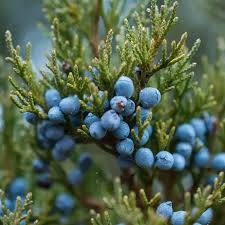
Juniper berries aren’t technically fruits at all. They are female seed cones produced by juniper plants, a subclass of conifer (Pinophyta), a plant or tree that produces cones.
Juniper plants can grow low and wide like a shrub or towering like a tree, giving them a variety of appearances. They are called berries because of their distinctively fleshy, fused scales that resemble berries.
In addition to having a slightly misleading name, juniper berries are not typically eaten with breakfast like blueberries (despite the fact that they are of a comparable size).
Instead, the bitter juniper berry is frequently used as a spice. In fact, they contribute to the unique flavor of gin. Officially, the only spice to originate from a conifer tree is juniper berries.
According to a 2014 study, juniper berries may also adversely affect the way some drugs interact with them. The berries appear to prevent the body’s CYP3A4 enzyme from properly metabolizing drugs. About half of the pharmaceuticals available on the market are metabolized by this enzyme, whereas the other half actually inhibit it.
There is a long list of drugs that should not be taken with juniper berries since doing so could be hazardous. Before consuming juniper berries or juniper berry essential oil, you should first speak to your doctor if you are already taking any drugs.
Read Also: Strawberries and it’s Nutritional Benefits
6 Health Benefits of Juniper Berries
1. Helps Prevent Disease and Oxidative Stress
The presence of antioxidants in juniper berries is one of its main advantages. Because they reduce oxidative stress brought on by having too many free radicals in your body, antioxidants aid your body in preventing and fighting disease.
Bioflavonoids, also called flavonoids or polyphenolic chemicals, are present in juniper berries. The antioxidant content of fruits, vegetables, and a few other foods is provided by these substances.
One chemical analysis found that juniper berries in particular contain 87 different antioxidant chemicals. Compared to unripe kinds, ripe berries appear to have more of these chemicals.
Most importantly, juniper berries promote the action of three vital antioxidants in the body: glutathione peroxidase, catalase, and superoxide dismutase (SOD).
Read Also: 11 Unique Health Benefits of Feverfew (Tanacetum parthenium)
2. Can Serve As Natural Antiseptic
Because juniper berries’ antibacterial and antifungal properties have lasted the test of time, juniper berry essential oil is frequently recommended as a natural household cleaner.
These berries have powerful effects on numerous bacterial and fungal strains. In fact, at least one study made the case that they might be used to treat respiratory and skin infections.
Juniper berries essential oil effectively eliminate the candida fungus, which is the source of an infection that has a long list of negative side effects.
A common dental medication called chlorhexidine has been shown to have hazardous side effects, but this essential oil has been shown to remove bacteria and reduce inflammation in the mouth just as effectively.
In laboratory studies, an extract of Juniperus drupaceous berries from Turkey significantly inhibited the growth of a variety of cells, including the Gram-positive bacteria Staphylococcus aureus.
Boils and skin infections are brought on by staph infections, which can also occasionally result in more serious side effects including pneumonia, cellulitis, or bone infections.
According to research, juniper berries may also be used as an antioxidant in foods and drinks. A substantial antibacterial effect against Aspergillus niger, a black mold typically seen on ruined food, has also been demonstrated by an ethanol extract from these berries.
3. Improves Skin Conditions
A quick Google search reveals that treating skin conditions like rash or eczema is one of the most popular uses for juniper berries, specifically in the form of essential oils. They likely include antioxidants, which is one of the main reasons why this might work.
Researchers looked at how juniper berry essential oil affected the way animal wounds healed and found that two juniper berry cultivars displayed outstanding wound healing and anti-inflammatory properties. This shows that the traditional use of juniper berries as a skin tonic has scientific justification.
A South Korean laboratory study suggests that juniper berry extract might also be useful in treating skin pigmentation disorders like vitiligo.
Since quite some time, cellulite, a cosmetic problem involving fatty deposits that are typically present on the thighs, hips, and buttocks has been treated using juniper berry essential oil.
Read Also: 6 Health Benefits of Fennel (Foeniculum vulgare)
4. Improves Better Sleep
Numerous natural health professionals advise juniper berry essential oil as a relaxant because they think it has a favorable effect on brain chemistry and promotes sleep.
A study examined the effects of a therapeutic scent on insomniacs who were already taking medication for the condition. The scent included juniper berry essential oil as well as sandalwood, rose, and orris.
After dispersing the scent throughout the night, 26 out of the 29 participants were able to reduce their medication and have undisturbed sleep, and 12 persons were able to completely stop taking their medicine by the end of the trial.
5. Good For The Heart
Juniper berries include antioxidant properties that may potentially contribute to their ability to help with heart health. For instance, due to the antioxidants it contains, juniper berry essential oil has been shown in animal experiments to lower high blood pressure.
According to a related study, the natural diuretic properties of juniper berries (in their original or essential oil form) also contribute to the berry’s blood pressure-lowering effects. According to a rat study, juniper berry extracts may help decrease elevated triglycerides.
Additionally, juniper berries serve as a anticholinesterase agent. This is crucial for heart health because acetylcholine, which is built up in the neurological system by anticholinesterase agents (natural or synthetic), can delay the heart’s action, lower blood pressure, increase blood flow, and cause the heart to contract.
It’s interesting to note that the same medications are occasionally used to treat intestinal blockages, myasthenia gravis, and Alzheimer’s disease. The interaction of juniper berries with the latter two situations has not yet been studied in detail.
6. Good For Diabetic Patients
Studies linking juniper berries to the treatment of diabetes, like many others, have only involved lab and animal research. However, the preliminary outcomes are encouraging.
In diabetic rats, elevated blood sugar levels may be lowered by an ethanol extract and juniper berry tea.
The amount of malondialdehyde produced by animal bodies appears to be constrained by juniper berry essential oil as well. Although the exact cause of diabetes is unknown, people with diabetes have significantly greater levels of malondialdehyde in their bodies (and cancer).
Read Also: 8 Health Benefits of Chives (Allium schoenoprasum)
The article at the provided link discusses 6 Health Benefits of Juniper Berries (from Juniperus californica, California Juniper, though commonly referenced as similar to Juniperus communis in benefits), highlighting traditional and potential medicinal uses of the berry-like cones, rich in essential oils (e.g., alpha-pinene, myrcene, limonene), flavonoids, tannins, and terpenes. It emphasizes antioxidant, anti-inflammatory, antimicrobial effects, with traditional indigenous uses, but notes precautions and the need for professional advice.
Nutritional value of Juniper Berries (Juniperus californica / communis)
1. Vitamin C: Present as an essential antioxidant vitamin that supports immune function and collagen synthesis.
This contributes to the berries’ role in protecting against oxidative damage and aiding overall wellness.
2. Flavonoids: Potent plant antioxidants that help neutralize free radicals and reduce inflammation.
They support cellular protection and may lower chronic disease risk.
3. Essential oils (monoterpenes like alpha-pinene, beta-pinene, sabinene, limonene): These volatile compounds provide antimicrobial and anti-inflammatory properties.
They give the characteristic aroma and contribute to therapeutic effects.
4. Potassium: A key mineral abundant in the berries, supporting fluid balance, nerve function, and heart health.
It aids in the diuretic action traditionally associated with juniper.
5. Iron: Trace mineral that helps in oxygen transport and energy production.
It supports blood health in small amounts.
6. Magnesium: Involved in muscle function, nerve signaling, and energy metabolism.
This mineral enhances the overall nutrient profile for metabolic support.
7. Calcium: Supports bone health and muscle contraction.
Present in trace levels for foundational nutritional value.
8. Copper: Aids in iron absorption, connective tissue formation, and antioxidant enzyme function.
It bolsters the berries’ protective effects.
9. Manganese: Acts as a cofactor in antioxidant enzymes and bone development.
It contributes to reducing oxidative stress.
10. Zinc: Important for immune support, wound healing, and enzyme activity.
This trace element adds to the antimicrobial reputation.
Juniper berries are low in calories and primarily valued for phytochemicals and trace minerals rather than macronutrients, making them more of a functional herb/spice than a staple food source.
Scientific Evidence and Case Studies on Juniper Berries (Juniperus californica / communis)

1. Raina et al. (2019): Review of Juniperus communis as a nutraceutical, documenting antioxidant, antimicrobial, anti-inflammatory, hypoglycemic, and hypolipidemic effects in experimental models.
It highlights potential in human and veterinary medicine but notes limited clinical data.
2. Bais et al. (2014): Phytopharmacological review summarizing antioxidant, anti-inflammatory, diuretic, and other activities from various studies.
Supports traditional uses with evidence from in vitro and in vivo models.
3. Höferl et al. (various years, referenced in reviews): Chemical composition and antioxidant properties of essential oil, showing strong electron transfer-based antioxidant activity and enzyme upregulation in models.
Demonstrated protection against oxidative damage.
4. Sánchez et al. (1994, hypoglycemic study): Decoction of juniper berries reduced blood glucose in normoglycemic and diabetic rats via peripheral glucose consumption and insulin potentiation.
Showed significant glycemic lowering at 250 mg/kg.
5. Gumral et al. (2013): Juniperus communis oil decreased oxidative stress and increased antioxidant enzymes in rat hearts on high-cholesterol diet.
Indicated cardiovascular protective potential.
6. Akkol et al. (2009): Anti-inflammatory activity of methanolic/aqueous extracts in carrageenan-induced edema models.
Provided support for traditional anti-arthritic use.
7. Fierascu et al. (2018): Hydro-alcoholic extract microemulsion showed anti-inflammatory effects.
Confirmed potential in inflammatory conditions.
8. Pepeljnjak et al. (2005, antimicrobial): Essential oil exhibited strong bactericidal and fungicidal activity against various strains.
MIC values supported broad antimicrobial effects.
Studies primarily show promising in vitro and animal results for antioxidant, anti-inflammatory, antimicrobial, diuretic, and hypoglycemic benefits from compounds like terpenes and flavonoids, but robust human clinical trials remain limited, with calls for more research.
Summary of Juniper Berries (Juniperus californica / communis)
| Aspect | Details |
|---|---|
| Plant Description | Evergreen shrub/small tree (Juniperus californica/California Juniper) with scale-like leaves; female plants produce berry-like cones ripening to brownish-black over two years. |
| Key Compounds | Essential oils (alpha-pinene, myrcene, limonene), flavonoids, tannins, terpenes providing antioxidant, anti-inflammatory, antimicrobial effects. |
| Traditional Uses | Respiratory relief, digestive aid, anti-inflammatory for arthritis/skin, diuretic for edema/hypertension, pain relief, indigenous healing practices. |
| Health Benefits Listed | 1. Respiratory health (expectorant for coughs/bronchitis); 2. Digestive aid (tannins for diarrhea/upset stomach); 3. Antioxidant properties; 4. Anti-inflammatory effects; 5. Diuretic action; 6. Pain relief (topical for muscles/joints); extends to antimicrobial, skin health, etc. |
| Scientific Backing | Supported in lab/animal studies for antioxidant, anti-inflammatory, antimicrobial, diuretic effects; limited human clinical evidence. |
| Precautions | Possible allergies, digestive issues, skin irritation, avoid in pregnancy/nursing/kidney problems; consult professional; use in moderation. |
Frequently Asked Questions About Juniper Berries (Juniperus californica / communis)
1. What are juniper berries primarily used for?
They are traditionally used as a diuretic, for respiratory and digestive issues, anti-inflammatory support, and as a spice/flavoring (e.g., in gin).
2. Are juniper berries true berries?
No, they are female seed cones that resemble berries, taking 1-3 years to ripen, and are not typically eaten fresh like fruit.
3. Can juniper berries help with urinary tract issues?
Yes, traditionally as a diuretic to flush the system and support kidney function, though evidence is mostly from animal studies and folk use.
4. Do juniper berries have antioxidant benefits?
Yes, rich in flavonoids and essential oils that combat oxidative stress, as shown in various lab and animal research.
5. Is it safe to consume juniper berries regularly?
In moderation (e.g., as tea or spice), generally yes, but excessive use can cause stomach upset, kidney strain, or interactions; avoid during pregnancy.
6. How are juniper berries typically consumed?
Dried and crushed for teas, tinctures, essential oil (diluted), topical applications, or as a culinary spice for meats and beverages.
7. What are the main active compounds?
Essential oils (alpha-pinene, sabinene, limonene), flavonoids, tannins, and terpenes responsible for most effects.
8. Can juniper berries help with blood sugar or cholesterol?
Some animal studies suggest hypoglycemic and hypolipidemic effects, but human evidence is limited.
9. Are there side effects or risks?
Potential for allergies, GI discomfort, skin irritation from oil, or kidney issues with overuse; not recommended for those with kidney disease or certain medications.
10. Is California juniper the same as common juniper?
Juniperus californica is a related species with similar traditional uses and compounds to Juniperus communis, the most studied for medicinal purposes.
Do you have any questions, suggestions, or contributions? If so, please feel free to use the comment box below to share your thoughts. We also encourage you to kindly share this information with others who might benefit from it. Since we can’t reach everyone at once, we truly appreciate your help in spreading the word. Thank you very much for your support and for sharing!
Disclaimer: This article is for educational and informational purposes only. The health benefits described are based on scientific research and traditional knowledge. They ayre not a substitute for professional medical advice, diagnosis, or treatment. Always consult a healthcare professional before using any herb or natural remedy for medical purposes.
Thanks for your marvellous posting! I quite enjoyed reading it, you may be a great author.
I will always bookmark your blog and definitely will come back from now on. I want to encourage you to definitely continue your great writing,
Have a nice afternoon!
Thank you for the appreciation and I am glad that you find our article very useful