


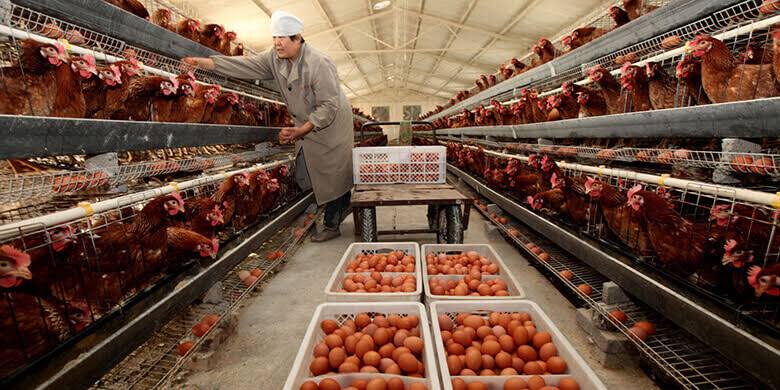
Increasing egg production in poultry farming business has always been a concern to many poultry farmers as a lot of poultry farmers always complain to me that they have lost so much money on their poultry farming businesses and often times they ask me how they can enhance either their layers egg production or how to maximize their profits on layers poultry farming.
This regular challenge and panic from my people motivated me to produce this ultimate guide for you which is why today, we are going to be discussing about the ways to enhance egg production and maximize profits in layers poultry farming business.
Poultry profit can be high or low, depending on your understanding of the principles I am about to share. If you are reading this, and you are yet to start your poultry business, I envy you because you will not have to waste your time exploring and learning through experiences which might have made you loose some valuable time and money.
Likewise, if you have started but things have not been going the way you planned, I congratulate you because your poultry business is about to take a positive turn today.
How to Increase Poultry Egg Production and Maximize Profits
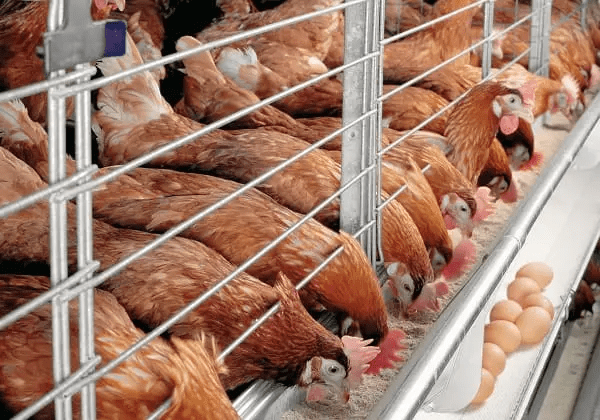
There are a few things you can do to maximize your profit as a poultry farmer especially with layers egg production. Therefore, without wasting your time and resources hang on while I show you all you need to know.
1. Choose Best Breeds for Maximum Poultry Profit
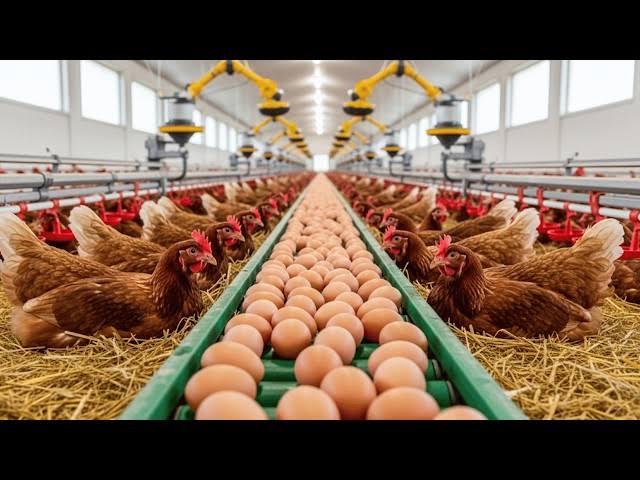
Just as every standing building starts with a good foundation so also is any business because if you don’t get the scratch, basics, foundation, beginning, starting phase etc.. in fact, call it whatever name you like (place your own word that best suits you there…. you know, all is grammar and are all correct for us because we are farmers and we talk practical’s and not plenty grammar…. you know how we roll now…..Smiles!) but am sure you understand what I mean by all these terms because it all starts from the foundation of your layers flock which are your “Pullets”.
Here is the thing, some things will never go well if you start on the wrong foundation. To a poultry farmer, your chicken breed is the backbone of your business, and if you don’t get it right, you may spend the rest of the production cycle regretting your choice.
With that being said, There are ways to get things right when it comes to breed selection, and they include:
1. Find out the best breeds: As a poultry farmer generally, you need to go always go for the best breeds. You can ask on our farmers’ forums here and build on their knowledge. You should go for a breed with proven capacity for maximum number of eggs and good diseases resistance.
2. Locate the hatchery with the best record: whether you believe it or not, farmers will tell you that some hatcheries have a bad record based on the productivity of their chicks. You will also need to find out which hatchery currently has the good name. This is important if you don’t want to spend the whole time treating diseases and losing chickens to vertically transmitted diseases.
3. Beware of middlemen: Because hatcheries will usually sell to customers who are willing to buy in large quantities, there are a lot of people whose business is to buy and resell to farmers. Also, there are agencies who claim to have chicks from most major hatcheries.
However, if you are going to deal with these middlemen and agencies, it is important that you work with the ones that can be trusted if you want to maximize poultry profit. Some middlemen will sell substandard chicks in cartons of standard hatcheries. Therefore, don’t let the carton fool you!
2. Get Best Feed Formula for Poultry Profit
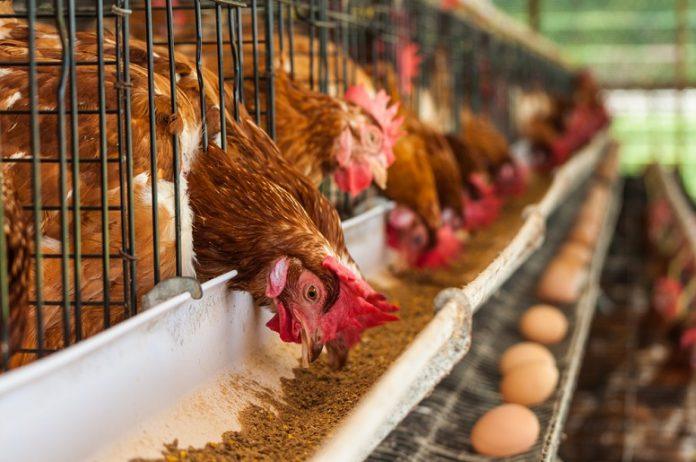
This is another big one. The importance of the feed you give to your birds cannot be overemphasized. In fact, feed and water are the main elements that the birds convert into meat and also use for the production of eggs. Thus, your ability to provide your chickens with a good ration will determine the extent of your gain or loss. And here’s my advice to you.
You will thank your star for the result that you will get if you invest your money in getting a standard feed formula for your chickens to maximize profit. You can pay a professional nutritionist or buy a formula for your chickens. This is better than trying several formulas that have not been proven.
Don’t take the zig-zag way my friend, follow a straight line and maximize your profit from the start. You can get your basic feed formula through this link layers mash feed formula and many other places. Everything you invest in getting it right from the start is absolutely worth it
3. Use Organic Medications for Maximum Poultry Profit
Trust me when I say that I have tried this, and it helps to maximize poultry profit. And what is organic medication about? I will tell you in a bit. It’s all about replacing those costly synthetic drugs with equally or even more effective herbs and spices, and using them to combat poultry diseases. With the wave of organic poultry farming, it has been proven that there are organic substitutes for synthetic drugs.
When you make concoctions with spices and herbs and administer them to your birds, it not only keeps them healthy but also saves you a lot of money. If we say that poultry is a lucrative business, then we shouldn’t spend all the money of synthetic drugs. How can I even try organic medications when I don’t know how?
4. Avoid Poultry Feed wastage

Ensure to always serve your birds feed as required but at the same time, ensure that you don’t over fill the feeders thereby encouraging them to waste feeds for you because you are indirectly wasting and losing money in doing that.
It is better you serve them 3 or 4 times in a day as they finish the feed than serving everything once or twice while they end up throwing away and wasting almost 50% of the feed served if not more. Also there are certain advantages attached to always serving fresh feeds and water to your birds.
Therefore, Offering smaller meals at more frequent intervals may be a strategy to ensure adequate intake, resulting in the achievement of the desired uniform body weights, and reducing feed wastage.
It is critical to have well-designed feeders to ensure feed wastage is limited. Less feed waste will help achieve more uniform body weights. It is important to provide an adequate number of feeders and the correct amount of feeder space so that all birds have free access to feed and a proper hierarchy can be established.
Flock uniformity may also be more difficult to control and manage in cage-free environments. Distributing feed across multiple locations in the barn will help to prevent overcrowding and will encourage subordinate hens to feed.
5. Litter Contact and Management in Bio-Security Measures
There are many sources of contamination on poultry farms through the contaminated litters. In poultry farming generally, diseases are more easily transmitted within a flock due to increased bird movement, bird-to-bird contact, and exposure to litter. Cage-free birds will face additional health challenges as a result of being exposed to higher pathogen loads within these litter-based systems.
Gut health challenges such as coccidiosis and necrotic enteritis will become more evident along with other zoonotic pathogens such as E.coli and Salmonella, posing concerns to both animal and human health.
It is important to maintain strict bio-security measures and keep the litter always clean and dry to lower the risk of disease and other health issues. Establishing and maintaining gut health is also critical for the maintenance of bird health and performance.
A tailored strategy involving acidifiers, symbiotic’s (combined prebiotic/probiotic additives), and phytogenics may help in this regard, and can be considered for incorporation to the feeding program.
6. Poultry Profit is Higher with Well-Planned Sales
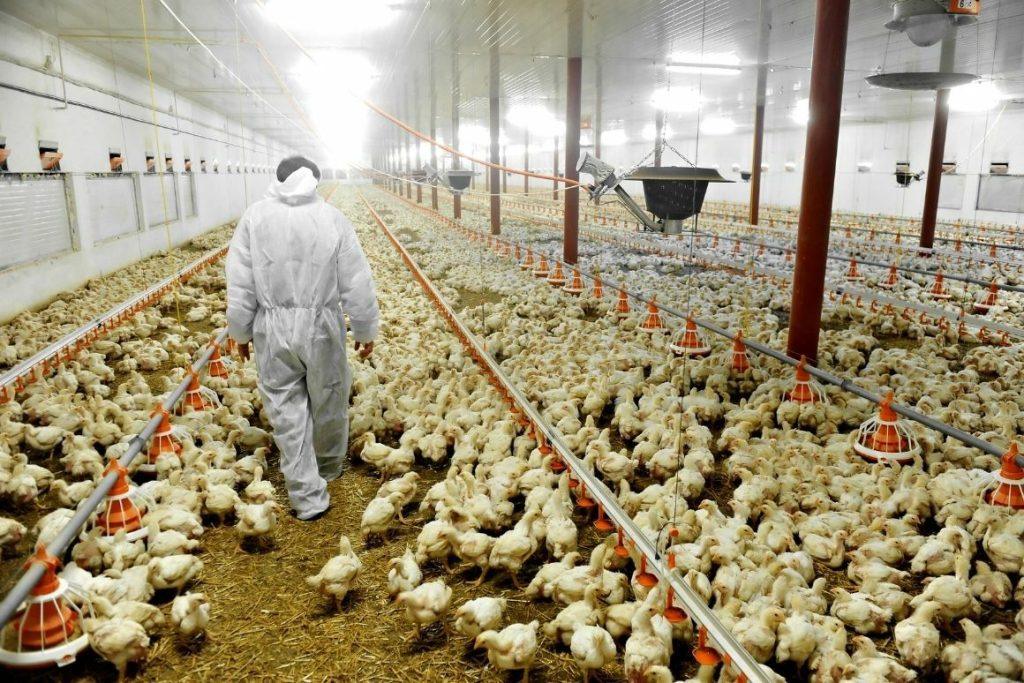
Though, this is most applicable in broiler farming, it should also be considered in egg production where farmers plan to sell spent layers. As a farmer, you are at a disadvantage when you don’t sell your birds at the right time.
For instance, broilers reach market weight in 6-8 weeks, and it is usually not a cost-effective idea to raise your birds beyond 10 weeks. This means that you need to plan your sales ahead, and secure your buyers before you start to raise your birds.
If you are into egg production, you need know when your birds should be replaced; when their egg production no longer justifies the feeding cost. Be Smart!
If you want to maximize poultry profit as a poultry farmer, then you will have to practice all these things. It will help you stand out. I hope you have learned how to increase your profit margin as a poultry farmer.
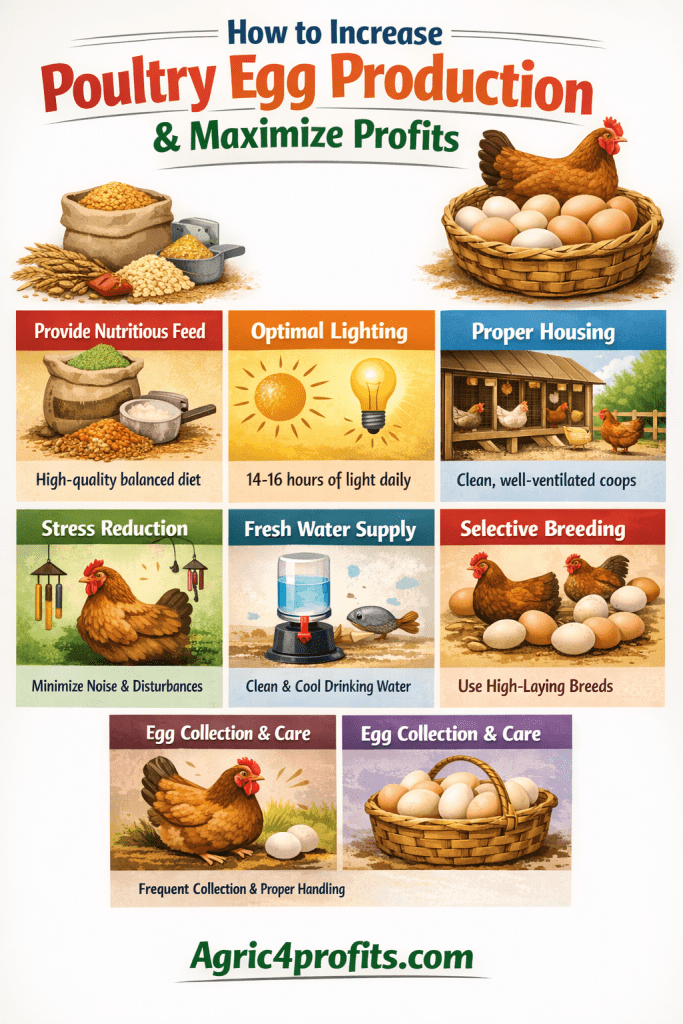
In summary, here are some basic day-to-day tips that can also help you succeed in egg production and other Ways to Enhance Egg Production and Maximize Profits on Layers:
Tip #1. Introduce birds to their new environment one to two weeks prior to lay.
Birds should be moved to the laying house/zone at least one to two weeks prior to the onset of lay, no later than 17 weeks of age. This will allow birds to become familiar with their new surroundings and to adapt to the nesting systems before start of lay.
Tip #2. Increase the amount of feed or the energy content of the diet. Maintain the correct energy-to-protein balance.
Tip #3. Ensure proper feeder design. Provide less feed at more frequent intervals.
Tip #4. Adjust the feed formulation to meet higher calcium requirements.
Tip #5. Ensure strict bio-security. Support gut performance through the application of novel feed additives.
Summary on How to Store Hard-Boiled Eggs
| Category | Key Points |
|---|---|
| Refrigeration (Unpeeled) | Store in an airtight container or egg carton; lasts up to 7 days in the fridge |
| Refrigeration (Peeled) | Place in a bowl of cold water, fully submerged; change water daily; consume within 2 days |
| Room Temperature | Safe for a maximum of 2 hours (1 hour if temperature is above 90°F/32°C) |
| Freezing | Do NOT freeze whole eggs or whites — they turn rubbery; only egg yolks freeze well (up to 2 months) |
| Pickling | Peel eggs, submerge in vinegar brine, refrigerate; lasts up to 3 months |
| Cooling Before Storage | Always transfer freshly boiled eggs into an ice bath first before refrigerating |
| Best Storage Practice | Keep shells intact as long as possible — the shell acts as a natural protective barrier |
| Spoilage Signs | Sour smell, slimy shell, or rubbery texture — when in doubt, throw it out |
| Labeling Tip | Write the boiling date on the shell or container so you always know when they expire |
| Cross-Contamination | Always store hard-boiled eggs away from raw foods to prevent bacteria spread |
Frequently Asked Questions About How to Store Hard-Boiled Eggs
1. How long do hard-boiled eggs last in the fridge?
Hard-boiled eggs last up to 7 days in the refrigerator, whether peeled or unpeeled, as long as they’re stored properly in an airtight container.
2. Should I store hard-boiled eggs peeled or unpeeled?
It’s best to store them unpeeled. The shell acts as a natural protective layer that locks in moisture and keeps bacteria out.
3. Can I leave hard-boiled eggs out at room temperature?
No. Hard-boiled eggs should not sit out for more than 2 hours. Beyond that, bacteria can multiply rapidly and make them unsafe to eat.
4. How do I store peeled hard-boiled eggs?
Place them in a bowl of cold water, making sure they’re fully submerged. Cover the bowl and refrigerate it. Additionally, change the water daily and consume the eggs within 2 days.
5. Can you freeze hard-boiled eggs?
You should avoid freezing whole hard-boiled eggs since the whites turn rubbery. However, you can freeze cooked egg yolks in a sealed freezer bag for up to 2 months.
6. How do I know if a hard-boiled egg has gone bad?
The clearest signs are a sour or sulfuric smell, a slimy shell, or a rubbery texture. If you notice any of these, it’s safest to discard the egg.
7. Do I need to refrigerate hard-boiled eggs right away?
Yes. After cooling them in an ice bath, refrigerate hard-boiled eggs within 2 hours of cooking to prevent bacterial growth.
8. Can I store hard-boiled eggs in an egg carton?
Absolutely! A cardboard egg carton works great for storing unpeeled hard-boiled eggs in the fridge. Just avoid styrofoam cartons since they don’t absorb moisture the same way.
9. What is the longest way to store hard-boiled eggs?
Pickling is the longest storage method. Peeled eggs submerged in a vinegar brine and refrigerated can last up to 3 months.
10. Is it safe to eat hard-boiled eggs after 7 days?
No, it’s not recommended. After 7 days, the quality and safety of hard-boiled eggs decline significantly — even if they look fine. Always follow the 7-day rule to be safe.
Read Also: Waste To Fertilizer: What You Need to Know