


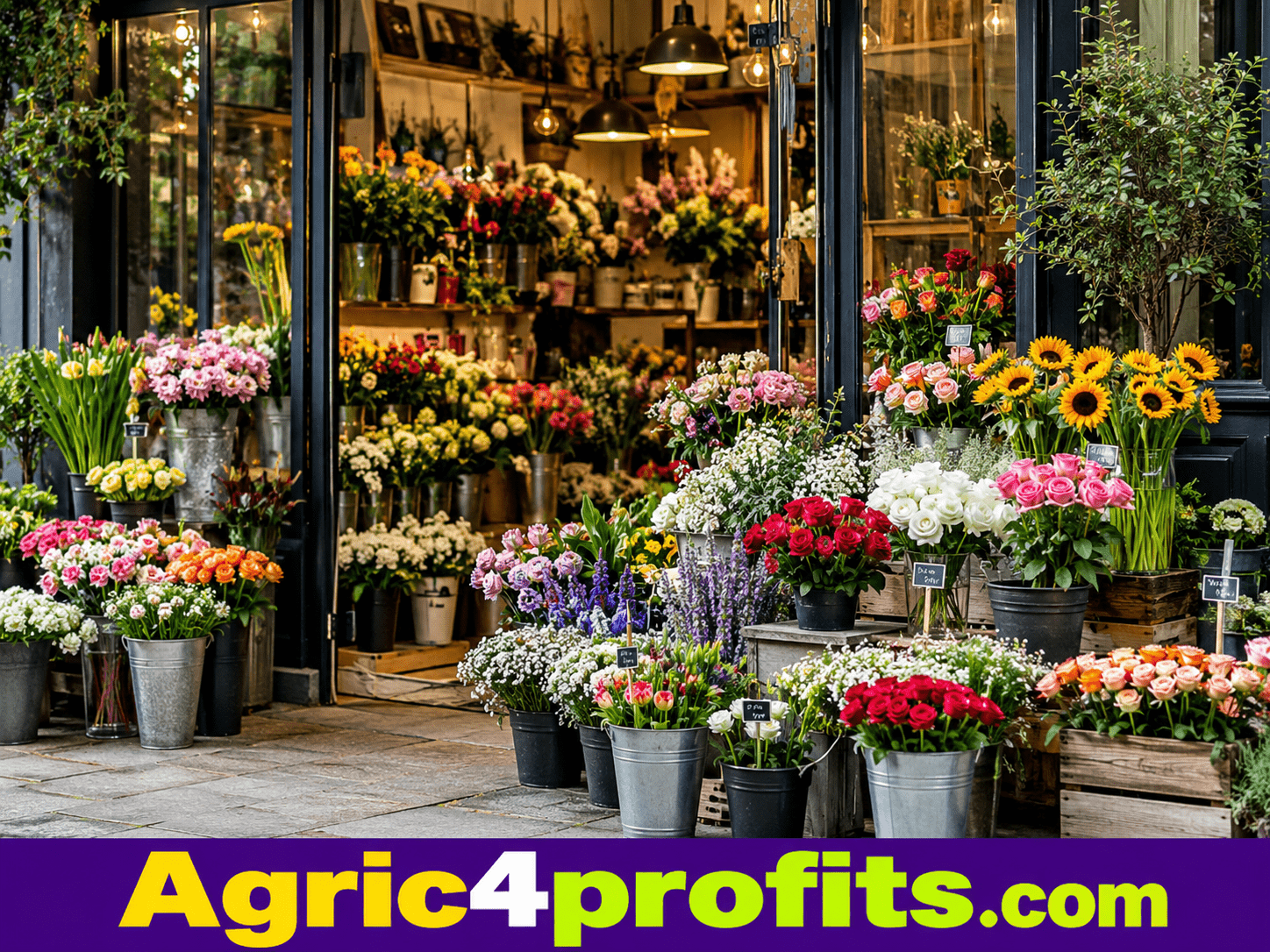
Flower stores, with their colorful displays and pleasant fragrances, provide welcoming spaces where customers can discover fresh blooms, attractive arrangements, gardening ideas, and thoughtful floral products for different occasions.
From small neighborhood shops to sophisticated floral boutiques, these establishments serve diverse customers seeking everyday flowers, special arrangements, decorative displays, gifts, event decorations, and carefully selected ornamental plants.
Entering a flower store often feels like entering a creative environment where professional florists combine flowers, foliage, colors, textures, containers, and decorative materials into attractive compositions for customers.
Florists use artistic judgment and practical knowledge to select suitable combinations according to occasion, customer preference, flower availability, color harmony, arrangement size, fragrance, freshness, and expected presentation.
Many flower stores provide an extensive assortment of blooms, including roses, lilies, orchids, tulips, daisies, carnations, chrysanthemums, sunflowers, and seasonal flowers, giving customers numerous choices for different purposes.
Each flower can communicate different emotions or associations, allowing customers to select blossoms that complement celebrations, sympathy messages, romantic gestures, appreciation, friendship, congratulations, remembrance, or ordinary acts of kindness.
🌿 Go Organic on Your Farm: Instead of harmful chemical pesticides and fertilisers, try our organic farming products — including neem oil spray, bio-pesticides, natural plant treatments, organic seeds and seedlings, suckers, and many more organic products that are safe for your health, your family, your soil and your harvest. Shop Now →
Flower stores also contribute to social life because local shops may serve communities through event participation, neighborhood relationships, charitable activities, seasonal celebrations, and customized services that build lasting customer connections.
These businesses become particularly important during weddings, birthdays, anniversaries, graduations, religious celebrations, funerals, corporate events, and other milestones where flowers contribute strongly to atmosphere, symbolism, decoration, and memorable experiences.
Modern flower stores may also support sustainability by sourcing flowers responsibly, reducing unnecessary packaging, reusing materials, limiting waste, and developing closer relationships with growers and suppliers where practical.
The broader role of professional florists demonstrates how flower businesses combine creativity, flower knowledge, customer service, freshness management, design principles, and practical handling skills when preparing attractive arrangements.
🔧 Free Farm Tool Available: Use our free Agric4Profits Farm Tools to calculate your farm profits, formulate feeds, identify pests and diseases on both your crops and animal farms, plan your planting and harvesting season, including many more farm tasks to get free expert advice and recommendations — completely free, no registration required. Access Free Tools →
Flower stores therefore offer considerably more than simple retail services because they connect customers with nature, creativity, celebration, cultural traditions, commercial horticulture, personal expression, and meaningful social experiences.
Whether customers need one beautiful flower, a carefully arranged bouquet, wedding decorations, sympathy flowers, corporate displays, or gardening materials, flower stores provide convenient access to products and professional assistance.
Read Also: Anemone Flowers: All You Need To Know About
Importance of Flower Stores

Flower stores hold important social, economic, cultural, and aesthetic value because they make flowers accessible while helping customers communicate emotions, decorate environments, celebrate occasions, and support horticultural businesses.
1. Expression of Emotions: Flower stores provide customers with flowers that communicate love, gratitude, sympathy, admiration, congratulations, friendship, encouragement, remembrance, or other emotions when spoken words may feel inadequate.
💬 Have a Farming Question? Join thousands of farmers across Africa on the Agric4Profits Community — ask questions, share experiences and connect with agricultural experts. It is completely free. Ask Your Question Now →
Different flower colors and arrangements can create different impressions, enabling customers to select products that suit individual relationships and occasions. Professional florists can also recommend combinations according to the intended message.
2. Celebration of Special Occasions: Flower stores support birthdays, anniversaries, weddings, graduations, religious ceremonies, corporate events, and other celebrations by supplying bouquets, centerpieces, decorations, corsages, floral installations, and customized arrangements.
Customers can request designs that match specific themes, colors, venues, budgets, or cultural preferences. This flexibility allows flower stores to contribute significantly to the visual atmosphere and emotional character of important events.
3. Beautification of Spaces: Flowers can improve the appearance of homes, offices, hotels, restaurants, event venues, churches, reception areas, gardens, and public spaces by introducing natural colors, textures, forms, and fragrances.
Flower stores provide suitable arrangements for these environments, helping customers select flowers according to available space, decoration style, desired mood, maintenance requirements, flower longevity, and the specific purpose of the display.
4. Connection with Nature: Flower stores provide urban customers with opportunities to experience natural beauty through fresh blooms, plant textures, colors, fragrances, and seasonal changes that may otherwise feel distant.
Bringing flowers indoors can create opportunities for people to observe natural forms and enjoy living or freshly harvested plant materials. Gardening enthusiasts may also obtain flowers, seeds, bulbs, and planting materials.
5. Support for Local Growers: Flower stores can support local growers by purchasing locally produced blooms, creating market opportunities, improving farmer income, encouraging horticultural production, and helping develop local flower supply networks.
The commercial importance of cut flowers also demonstrates how flower production can provide opportunities for growers, traders, florists, exporters, retailers, event decorators, and other participants within agricultural value chains.
📖 Want to Go Deeper on This Topic?
Our expert agricultural ebooks cover poultry, fish farming, different crops production, snail farming, organic farming, mushrooms, sheep, cattle, flowers, pig farming, goat farming, agribusiness, etc. in practical step-by-step detail — written by agricultural professionals for African farmers.
Browse All Farming Ebooks →6. Cultural and Traditional Significance: Flowers appear in ceremonies, festivals, religious activities, traditional practices, weddings, funerals, and community events, where their colors, forms, fragrances, and symbolic meanings can carry special significance.
Flower stores help customers obtain flowers used for particular cultural purposes, while experienced florists can provide arrangement suggestions based on occasion, symbolism, regional practices, seasonal availability, and customer preferences.
7. Source of Inspiration and Creativity: Flower stores expose customers, artists, students, designers, photographers, decorators, and florists to combinations of colors, textures, shapes, patterns, and arrangements that encourage creative experimentation.
The wider commercial floriculture industry shows how flower production extends beyond decoration into organized cultivation, marketing, handling, retailing, landscaping, event services, and specialized ornamental plant businesses.
Flower stores can therefore strengthen relationships between consumers and horticultural producers while providing useful services for celebrations, decoration, personal expression, gifting, cultural activities, and commercial floral design.
They can also contribute to local enterprise development by creating employment and supporting related businesses, including growers, transporters, packaging suppliers, decorators, event planners, photographers, gardeners, and other service providers.
However, flower stores hold great importance because they combine commercial services with emotional, cultural, environmental, creative, and decorative benefits. Their activities connect flowers with many aspects of everyday life.
Read Also: Asiatic Lily Flowers(Lilium Asiaticum): All You Need To Know About
Where to Find Flower Store near Me/You

Flower stores can be found in different locations depending on local demand, population size, commercial development, customer preferences, flower availability, transportation networks, and the type of floral services required.
1. Local Neighborhoods: Small flower shops are often located within residential neighborhoods, making them convenient for customers seeking fresh flowers, bouquets, simple arrangements, gifts, and personalized services close to home.
Local stores may provide direct communication with florists, allowing customers to discuss preferred flowers, colors, budgets, quantities, occasions, delivery requirements, and arrangement styles before making purchases.
2. City Centers and Shopping Districts: Busy commercial areas may contain flower shops alongside supermarkets, fashion stores, restaurants, event businesses, and other retailers, making them convenient locations for customers seeking flowers while shopping.
Shopping districts can provide greater choice because several businesses may operate within relatively small areas. Customers can compare flower quality, arrangement styles, prices, services, availability, and delivery options before purchasing.
3. Farmers' Markets: Farmers' markets can provide opportunities to purchase seasonal flowers directly from local growers and small-scale vendors while learning more about production methods, varieties, availability, harvesting periods, and cultivation practices.
Customers interested in producing flowers themselves can also learn from growers about suitable varieties, planting materials, soil requirements, irrigation, harvesting practices, and other factors affecting flower quality and garden performance.
4. Online Platforms: Many flower businesses use websites and digital platforms where customers can browse arrangements, compare products, request customization, schedule deliveries, and purchase flowers without visiting physical stores.
Online services can be especially convenient for customers sending flowers to people in another city or region. Customers should review available delivery areas, product descriptions, delivery policies, and business reputation carefully.
5. Floral Boutiques and High-End Retailers: Specialized floral boutiques often focus on distinctive arrangements, premium flowers, artistic designs, sophisticated packaging, customized services, and event-related floral installations for customers seeking specialized presentation.
These establishments may cater to weddings, corporate functions, luxury hospitality businesses, private events, and customers requiring highly customized arrangements. Experienced florists can develop designs according to venue, theme, color palette, and budget.
6. Garden Centers and Nurseries: Garden centers and nurseries can provide flowers, flowering plants, seeds, bulbs, containers, growing media, fertilizers, gardening tools, and other materials for customers interested in cultivating plants.
People planning to grow flowers should understand basic flower cultivation techniques before purchasing planting materials, because suitable varieties, soil conditions, sunlight, water, spacing, nutrition, and maintenance influence plant performance.
7. Event Venues and Wedding Planners: Event venues and wedding planners often work with recommended florists who understand the requirements of ceremonies, receptions, corporate functions, cultural celebrations, and other organized events.
Customers planning major events can request recommendations from experienced planners while comparing floral portfolios, proposed designs, flower availability, delivery arrangements, installation services, timing, and overall costs before making final decisions.
8. Specialized Flower Businesses: Some flower businesses focus on particular products, such as roses, lilies, orchids, dried flowers, cut flowers, wedding arrangements, sympathy flowers, event installations, or premium imported varieties for specialized customers.
For customers interested in lilies, understanding lily flowers and their characteristics can make it easier to communicate preferences when ordering bouquets, arrangements, decorative installations, or other floral products.
Customers seeking roses can also consider freshly handled rose products, particularly when quality, stem condition, bloom stage, freshness, presentation, and expected vase life are important purchasing considerations.
Customers interested in distinctive seasonal flowers may also explore gladiolus flowers, which can provide attractive tall stems and colorful blooms for gardens, bouquets, ceremonies, and professional floral arrangements.
Availability varies considerably by location, season, market size, production systems, transportation, and customer demand. Therefore, customers should contact nearby businesses before visiting when searching for specific flowers or customized services.
When selecting a flower store, consider flower freshness, arrangement quality, customer service, delivery reliability, customization options, product variety, pricing, business reputation, and the store's ability to meet your specific requirements.
For customers interested in commercially produced flowers, Nigeria's floriculture opportunities provide useful background about ornamental production, marketing possibilities, industry development, and factors affecting successful participation in the flower business.
Flower quality after harvesting also matters when selecting a supplier. Businesses following good post-harvest flower handling practices can help preserve freshness, appearance, hydration, quality, and market value before products reach customers.
Remember, the best flower store depends on your location and specific needs. Local recommendations, online searches, customer reviews, direct inquiries, and visits can help identify reliable businesses offering suitable flowers and services.
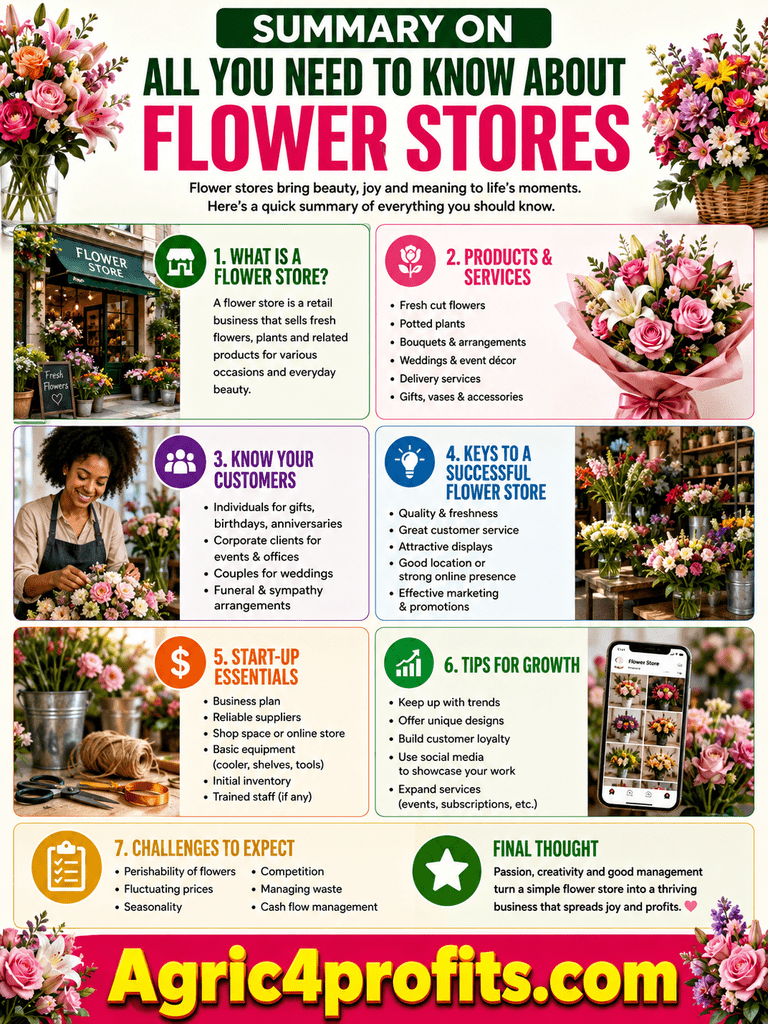
Summary on All You Need To Know About Flower Stores
| Topic | Summary |
|---|---|
| Definition | Flower stores are retail or specialized businesses that sell fresh flowers, arrangements, floral products, and related services to individuals, organizations, and event customers. |
| Main importance | They help people express emotions, celebrate occasions, beautify spaces, connect with nature, support growers, preserve traditions, and encourage creativity. |
| Common products | Products may include bouquets, cut flowers, flowering plants, decorative arrangements, wedding flowers, sympathy arrangements, gifts, and related floral accessories. |
| Common locations | Flower stores may operate in neighborhoods, shopping districts, markets, garden centers, nurseries, commercial areas, online platforms, and specialized floral boutiques. |
| Professional services | Florists may provide arrangement design, customization, event decoration, delivery, installation, flower selection, consultation, and specialized floral services. |
| Economic role | Flower businesses support growers, florists, transporters, decorators, suppliers, retailers, event planners, nurseries, and other participants in horticultural value chains. |
| Quality considerations | Customers should consider freshness, appearance, flower selection, arrangement quality, customer service, delivery reliability, reputation, customization, and suitability for the intended occasion. |
Frequently Asked Questions About Flower Stores
1. What is a flower store?
A flower store is a business that sells fresh flowers, bouquets, arrangements, flowering plants, decorative products, and related floral services for individuals, businesses, celebrations, ceremonies, and everyday occasions.
2. What can I buy from a flower store?
You can typically buy bouquets, cut flowers, floral arrangements, flowering plants, wedding flowers, sympathy designs, decorative displays, seasonal flowers, gifts, containers, and other products depending on the business.
3. How do I find a flower store near me?
Search local business directories, maps, social media pages, websites, neighborhood recommendations, shopping areas, farmers' markets, garden centers, and online flower delivery platforms to identify nearby flower businesses.
4. How should I choose a good flower store?
Consider flower freshness, arrangement quality, product variety, prices, customer service, customization, delivery reliability, business reputation, professional experience, and the store's ability to satisfy your specific floral requirements.
5. Can flower stores provide wedding flowers?
Yes. Many flower stores provide wedding services including bridal bouquets, boutonnieres, ceremony decorations, reception centerpieces, floral installations, table arrangements, venue decoration, delivery, and setup according to the event's design.
6. Do flower stores deliver flowers?
Many flower stores provide delivery services, although availability varies by business and location. Customers should confirm delivery areas, charges, delivery times, product availability, and special handling requirements before ordering.
7. Can florists create customized arrangements?
Yes. Professional florists can often customize arrangements according to flower varieties, colors, themes, container styles, budgets, occasions, personal preferences, venue requirements, and desired overall appearance.
8. Are flower stores important to farmers?
Flower stores can provide important markets for growers by purchasing locally produced flowers and creating commercial demand. This relationship can support horticultural enterprises and strengthen flower value chains where markets operate effectively.
9. Why is flower freshness important when purchasing?
Fresh flowers generally provide better appearance, stronger stems, healthier petals, and potentially longer vase life. Proper harvesting, hydration, sanitation, cooling, transportation, and storage can influence the quality customers receive.
10. Can flower stores support sustainable practices?
Yes. Some flower stores can reduce waste, source locally where practical, use reusable or recyclable materials, manage packaging responsibly, and choose suppliers whose production and handling practices align with environmental considerations.
Do you have any questions, suggestions, or contributions? If so, please feel free to use the comment box below to share your thoughts. We also encourage you to kindly share this information with others who might benefit from it. Since we can’t reach everyone at once, we truly appreciate your help in spreading the word. Thank you very much for your support and for sharing!
Read Also: The Power of Incineration
🌱 Take Your Farming Further With Agric4Profits
Based on what you just read, here are free resources and products from Agric4Profits that can help your farm right now:
- 🛒 Visit Our Marketplace — Organic neem oil, bio-pesticides, seeds and farming products
- 📚 Read Premium Content — Advanced guides for serious and profitable farming
- 🎓 Join Our Free Academy — Structured free training for farmers across Africa
- 🔧 Use Our Free Farm Tools — Profit calculators, feed formulation, pest identifier and more
- 💬 Join Our Farming Community — Connect with farmers across all 54 African countries
- ❓ Ask a Farming Question — Get answers from experienced farmers and agricultural experts
Please cite this content in academic work, research, or publications.