


Dogs are domesticated mammals that belong to the Canidae family. They are commonly kept as pets and are known for their loyalty and affection towards their owners. Dogs have been bred over thousands of years for various purposes, including hunting, herding, and companionship.
There are many different breeds of dogs, each with their own unique physical characteristics, temperament, and abilities. Some of the most popular breeds include the Labrador Retriever, Golden Retriever, German Shepherd, Bulldog, and Poodle.
Dogs are known for their keen sense of smell, which makes them useful for tasks such as search and rescue, drug detection, and bomb detection. They are also often trained to assist people with disabilities, such as guide dogs for the blind and service dogs for people with mobility issues.
In addition to their working roles, dogs also make great pets and are valued members of many households. They are known for their affectionate nature and their ability to provide emotional support to their owners. Dogs require a lot of care and attention, including regular exercise, proper nutrition, and veterinary care.
As much as we love our furry friends, not everyone is fortunate enough to be able to coexist with them without suffering from allergies. For those who want to experience the joy of dog ownership without the sneezing, itching, and wheezing, hypoallergenic dog breeds might just be the answer.
Hypoallergenic dogs are a group of breeds that are less likely to trigger allergies in humans. This is because they produce less dander, a common allergen found in pet hair and skin cells. While no dog is entirely hypoallergenic, these breeds shed less and release fewer allergens into the air.
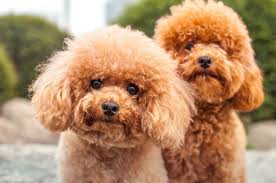
One of the most popular hypoallergenic breeds is the Poodle. These elegant dogs come in a variety of sizes and are known for their curly, dense coat that sheds minimally. They also produce less saliva than other breeds, which can be another trigger for allergies. Plus, with their intelligence and trainability, Poodles make excellent companions for families.
Another beloved hypoallergenic breed is the Bichon Frise. These fluffy, white dogs are playful and friendly, and their curly coat sheds minimally. However, their coat does require regular grooming to prevent matting. It’s worth the effort though, as Bichons are known for their affectionate personalities and make great pets for families with children.
The Portuguese Water Dog is another hypoallergenic breed that’s been rising in popularity in recent years. Originally bred to assist fishermen, these dogs have a thick, curly coat that sheds minimally and produces less dander. They are highly energetic and intelligent, making them ideal for active families who want a canine companion for outdoor adventures.
If you’re looking for a smaller hypoallergenic breed, the Yorkshire Terrier (Yorkie) might be the perfect fit. These spunky little dogs have a long, silky coat that sheds minimally and produces less dander. They’re also great for apartment living, and their affectionate nature makes them a favorite among pet owners.
For those who want a truly unique hypoallergenic pet, there’s the Chinese Crested. This breed comes in two varieties – hairless and powderpuff. While the hairless variety might not be suitable for those with severe allergies, the powderpuff has a soft, fluffy coat that sheds minimally and produces less dander. With their quirky appearance and playful personalities, Chinese Cresteds are sure to turn heads wherever they go.
It’s important to note that while hypoallergenic breeds are less likely to cause allergic reactions, it’s still essential to spend time with a dog before adoption to see if you have any allergies. Regular grooming and bathing can also help reduce the amount of dander and allergens in a dog’s coat.
In addition, hypoallergenic dogs are an excellent option for those who love dogs but suffer from allergies. With their low-shedding coats and affectionate personalities, they make wonderful companions for families and individuals alike. Just remember to do your research and spend time with your prospective pet before bringing them home to ensure a happy and healthy life together.
Read Also: All you need to know about the Vizsla Dog Breed
10 Lists of Hypoallergenic Dogs
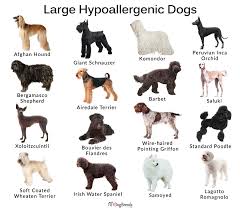
Poodle: Poodles are a popular hypoallergenic breed, known for their curly, non-shedding coat. They are intelligent, trainable, and make great companions for families.
Bichon Frise: The Bichon Frise is a small breed that is known for its friendly, affectionate nature. They have a soft, curly coat that is hypoallergenic and requires regular grooming.
Shih Tzu: The Shih Tzu is a small, toy breed that is known for its long, flowing coat. Despite their luxurious coat, they are considered hypoallergenic, making them a great option for people with allergies.
Maltese: The Maltese is a small, white breed that is known for its silky, hypoallergenic coat. They are affectionate, playful, and require daily grooming to keep their coat in good condition.
Yorkshire Terrier: The Yorkshire Terrier, or “Yorkie,” is a small breed that is known for its long, silky coat. They are affectionate, intelligent, and make great companions for people with allergies.
Portuguese Water Dog: The Portuguese Water Dog is a medium-sized breed that is known for its curly, hypoallergenic coat. They are highly intelligent and make great pets for active families.
Soft-Coated Wheaten Terrier: The Soft-Coated Wheaten Terrier is a medium-sized breed that is known for its soft, wavy coat. They are energetic, playful, and require regular grooming to maintain their hypoallergenic coat.
Basenji: The Basenji is a small, muscular breed that is known for its short, hypoallergenic coat. They are intelligent, independent, and require minimal grooming.
Chinese Crested: The Chinese Crested is a small, hairless breed that is considered hypoallergenic. They are affectionate, playful, and require minimal grooming.
Irish Water Spaniel: The Irish Water Spaniel is a medium-sized breed that is known for its curly, hypoallergenic coat. They are intelligent, loyal, and require regular grooming to keep their coat in good condition.
However, there are many hypoallergenic dog breeds to choose from. These breeds produce fewer allergens, making them a great option for people with allergies. When choosing a hypoallergenic dog, it’s important to consider factors such as size, temperament, and grooming requirements. With the right breed, you can enjoy the companionship of a dog without the worry of allergic reactions.
Read Also: Sourcing, Selection and Stocking of Snails
Where to Find Hypoallergenic Dogs near Me/You

Breeder: One of the most popular ways to find a hypoallergenic dog is through a reputable breeder. You can search for breeders online or through breed-specific organizations. It’s important to do your research and choose a breeder who is knowledgeable, experienced, and ethical.
Pet Stores: Some pet stores may offer hypoallergenic dog breeds for sale. However, it’s important to be cautious when purchasing from a pet store, as they may not always source their puppies from reputable breeders.
Rescue Organizations: Many rescue organizations specialize in specific breeds and may have hypoallergenic dogs available for adoption. Adopting a dog from a rescue organization can be a great way to give a dog a second chance at a loving home.
Online Marketplaces: There are many online marketplaces, such as PuppyFind or Petfinder, that list hypoallergenic dogs for sale from breeders and private sellers. However, it’s important to exercise caution and thoroughly research the seller before making a purchase.
Referral from a Friend or Family Member: You can also ask friends or family members who have hypoallergenic dogs if they know of any reputable breeders or rescues that have puppies available.
When searching for a hypoallergenic dog, it’s important to be patient and take the time to find the right breeder or organization. Make sure to ask plenty of questions, request health and vaccination records, and visit the location where the puppies were raised to ensure they are being well-cared for. By doing your research and finding a reputable source, you can increase your chances of finding a healthy and happy hypoallergenic dog.
Frequently Asked Questions About Hypoallergenic Dogs
1. What are hypoallergenic dogs?
Hypoallergenic dogs are breeds that produce fewer allergens, such as dander, saliva, or fur, making them less likely to trigger allergic reactions in sensitive individuals. However, no dog is completely allergen-free.
2. Are there any 100% hypoallergenic dog breeds?
No, there is no such thing as a 100% hypoallergenic dog breed. All dogs produce some level of allergens, but certain breeds shed less dander and fur, reducing the likelihood of triggering allergies.
3. Why do hypoallergenic dogs cause fewer allergies?
Hypoallergenic dogs typically have low-shedding or non-shedding coats, which means they release less dander—a common allergen found in pet hair and skin cells—into the environment.
4. Which dog breeds are considered hypoallergenic?
Popular hypoallergenic breeds include Poodles, Bichon Frise, Maltese, Yorkshire Terriers, and Schnauzers. These breeds are known for their low-shedding coats, which help minimize allergen spread.
5. Do hypoallergenic dogs require special care?
Yes, hypoallergenic dogs often need regular grooming to maintain their low-shedding coats. This includes brushing to prevent matting, professional grooming every 4–6 weeks, and bathing with dog-specific shampoos to reduce dander.
6. Can hypoallergenic dogs live in homes with severe allergy sufferers?
While hypoallergenic dogs are better for allergy sufferers, those with severe allergies should consult an allergist before bringing one home. Additional allergen management, like using air purifiers and maintaining a clean environment, can help.
7. Are hypoallergenic dogs suitable for apartment living?
Many hypoallergenic breeds, such as Toy Poodles, Maltese, and Yorkshire Terriers, are small and well-suited for apartment living due to their size and lower exercise needs compared to larger breeds.
8. What are some benefits of owning a hypoallergenic dog?
Benefits include reduced allergen exposure for allergy sufferers, less pet hair in the home, and lower maintenance for cleaning. These dogs also make great companions for families seeking a pet that aligns with allergy concerns.
Read Also: The Environmental Impact of Dry Cleaning Solvents