


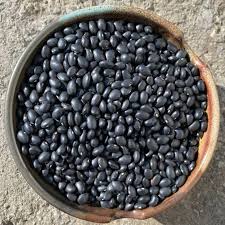
Black beans, popularly known as Akidi among the Igbo people in Nigeria, are a nutrient-dense legume celebrated for their high protein content. While some avoid them due to gas production or occasional heartburn (which varies by individual digestive system), their overwhelming health benefits make them a valuable addition to the diet.
Black beans provide a rich profile of essential nutrients, phytonutrients, and complex carbohydrates that support overall wellness.
Read Also: Quail Eggs – The Super Food (34 Amazing Health Benefits)
Nutritional Composition of Black Beans
According to nutritional data, half a cup of cooked black beans (approximately 86–90 grams) contains:
- 23 mg of calcium
- 7.5 g of dietary fiber
- 114 kcal of energy
- 20.39 g of carbohydrates
Black beans are also rich in:
- Vitamin K
- Niacin
- Folate
- Zinc
- Iron
- Magnesium
- Thiamin
- Potassium
- Small amounts of fat and protein
They contain notable phytonutrients such as saponins, anthocyanins, kaempferol, and quercetin, all with strong antioxidant properties that help strengthen the immune system.
The complex starch in black beans is slowly digested, helping prevent rapid rises in blood sugar levels.
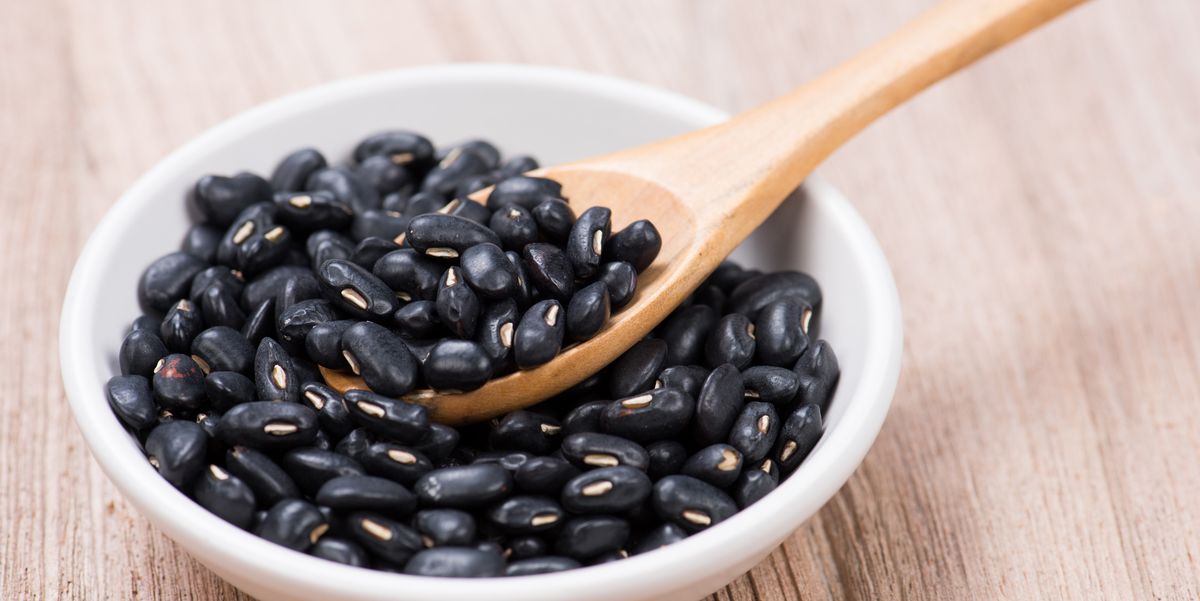
Health Benefits of Black Beans (Akidi)
1. Supports Strong and Healthy Bones
Black beans contain calcium, magnesium, manganese, and zinc—key minerals that contribute to bone development, maintenance, structure, and strength.
2. Excellent Plant-Based Protein Source
They provide a significant amount of high-quality protein, serving as a great alternative to red meat. The protein, combined with antioxidants and other nutrients, helps slow natural aging processes.
3. Helps Lower Blood Pressure
Black beans are naturally low in sodium and rich in magnesium, potassium, and calcium—minerals known to help reduce blood pressure. Reducing overall sodium intake while including black beans supports optimal blood pressure levels.
4. Rich in Essential Vitamins and Minerals
Black beans are an outstanding source of folate (important for DNA synthesis and repair), iron (a component of hemoglobin and myoglobin for oxygen transport), magnesium (supports blood sugar control, nerve function, and energy metabolism), phosphorus, B vitamins, and more.
Read Also: How to Make Money from Used Cooking Oil Recycling
5. Aids in Cancer Prevention
Black beans contain selenium—a rare mineral that supports liver enzyme function, detoxifies cancer-causing compounds, reduces inflammation, and slows tumor growth. Their high fiber content is linked to lower colorectal cancer risk. Saponins also help prevent cancer cell multiplication and spread.
6. Promotes Digestive Health
Despite concerns about gas, black beans provide special support to the colon. Their indigestible fraction is higher than in many legumes, fueling beneficial bacteria to produce butyric acid—a short-chain fatty acid that nourishes colon cells, maintains gut lining health, and supports proper lower digestive tract function.
Read Also: Amazing Health Benefits of African Breadfruit (Ukwa)
Preparation of Black Beans
To reduce gas production and improve digestibility, proper soaking is essential. Follow these steps:
- Sort and rinse the beans.
- Use the hot soak method: Place beans in a pot, cover with water, bring to a boil for 2–3 minutes, then remove from heat.
- Let them soak for 3–4 hours (or overnight for cold soak).
- Drain and rinse thoroughly.
- Cook in fresh water until tender (usually 1–2 hours, depending on method).
Amazing Black Beans Recipes to Try at Home
Here are some delicious ways to enjoy black beans:
- Black beans and yam
- Turkey and black bean chili
- Black bean and fruit salsa
- Bean-stuffed bell peppers
Read Also: SoyBeans – It’s Importance and Health Benefits
How to Cook Black Beans and Yam Recipe
Ingredients:
- 2 cups black beans (soaked and drained)
- 2 medium yams, peeled and cut into chunks
- ¼ teaspoon salt (or to taste)
- 2 stock cubes
- 50 ml palm oil
- ¼ bunch spinach, chopped
- 1 onion, sliced
- 4 fresh red peppers, blended or chopped
- 12 small fresh tomatoes, sliced
Steps:
- Wash soaked black beans, place in a pot, add water, and cook until softened.
- Add peeled yam chunks (add more water if needed) and continue cooking until yam is tender.
- Remove from heat and set aside.
- In a separate pan, heat palm oil, add sliced onions, and sauté for 1–2 minutes.
- Add tomatoes, peppers, stock cubes, and salt; cook until tomatoes soften and sauce thickens slightly.
- Stir in chopped spinach and simmer for 2 minutes, then remove from heat.
- Pour the sauce over the cooked beans and yam, stir well to combine.
- Garnish with extra spinach if desired and serve warm.
Do you have any questions, suggestions, or contributions? Feel free to use the comment box below to share your thoughts. We also encourage you to share this information with others who might benefit. Thank you for your support!
Scientific Evidence and Case Studies on Black Beans (Akidi) Health Benefits
1. Bone Health Support: Black beans supply calcium, magnesium, manganese, and zinc—minerals essential for bone mineral density and fracture prevention.
2. Blood Pressure Regulation: High potassium, magnesium, and low sodium content help relax blood vessels and reduce hypertension risk, as shown in population studies on legume intake.
3. Cancer Risk Reduction: Selenium and fiber lower colorectal cancer risk; saponins inhibit cancer cell proliferation in lab studies; anthocyanins provide strong antioxidant protection.
4. Digestive and Gut Health: Resistant starch and fiber promote butyrate production by colonic bacteria, supporting colon cell energy, reducing inflammation, and improving gut barrier function.
5. Blood Sugar Control: Complex carbohydrates and fiber slow glucose absorption, improving glycemic control and insulin sensitivity in diabetes management studies.
Summary of Black Beans (Akidi): Health Benefits, Preparation and Recipes

| Aspect | Key Points |
|---|---|
| What are Black Beans? | Legume known as Akidi (Igbo); high-protein, nutrient-dense; may cause gas in some but benefits outweigh for most. |
| Nutritional Highlights | Per ½ cup cooked: 114 kcal, 7.5 g fiber, 20 g carbs, calcium, iron, magnesium, folate, potassium, zinc, B vitamins, phytonutrients (anthocyanins, quercetin, saponins). |
| Main Health Benefits | Strong bones (Ca, Mg, Zn); plant protein source; lowers blood pressure; rich vitamins/minerals; cancer prevention (Se, fiber, saponins); colon health via butyrate production. |
| Digestive Note | Soaking reduces gas; resistant starch fuels beneficial gut bacteria despite initial gas concerns. |
| Preparation Tips | Hot soak (boil 2–3 min, soak 3–4 hrs), drain, cook until tender to improve digestibility. |
| Popular Recipes | Black beans & yam, turkey chili, fruit salsa, stuffed peppers; versatile in soups, salads, sides. |
| Recommendations | Soak properly, pair with vegetables/grains, consume regularly as part of balanced diet for maximum benefits. |
| Overall Value | Affordable, versatile superfood with strong evidence for heart, bone, gut, metabolic, and immune support. |
Frequently Asked Questions
1. Why do black beans cause gas for some people?
Black beans contain oligosaccharides (raffinose, stachyose) that ferment in the gut, producing gas; soaking and proper cooking reduce this significantly.
2. Are black beans a good protein source for vegetarians?
Yes, they provide high-quality plant protein (about 7–8 g per ½ cup) and pair well with grains for complete amino acid profiles.
3. How do black beans help lower blood pressure?
They are low in sodium and rich in potassium, magnesium, and calcium—minerals that relax blood vessels and counteract sodium’s effects.
4. Do black beans support bone health?
Yes, their calcium, magnesium, manganese, and zinc content contributes to bone density and strength.
5. Can black beans help prevent cancer?
Their selenium, fiber, saponins, and antioxidants (anthocyanins, quercetin) help detoxify carcinogens, reduce inflammation, and inhibit cancer cell growth.
6. How do black beans benefit gut health?
Resistant starch and fiber reach the colon, where bacteria ferment them into butyrate—fuel for colon cells that supports gut lining integrity.
7. What is the best way to reduce gas when eating black beans?
Soak using the hot soak method (boil briefly then soak), rinse well, and cook thoroughly; gradual introduction also helps the gut adapt.
8. Are black beans good for blood sugar control?
Yes, their complex carbs, fiber, and low glycemic index promote slow, steady glucose release and better insulin sensitivity.
9. Which vitamins and minerals are black beans especially high in?
Folate, iron, magnesium, potassium, phosphorus, and B vitamins; they also provide selenium—a trace mineral not common in many plant foods.
10. How should black beans be stored and prepared?
Store dry beans in an airtight container; soak before cooking to improve digestibility and nutrient availability; use in soups, stews, salads, or side dishes.
Do you have any questions, suggestions, or contributions? If so, please feel free to use the comment box below to share your thoughts. We also encourage you to kindly share this information with others who might benefit from it. Since we can’t reach everyone at once, we truly appreciate your help in spreading the word. Thank you very much for your support and for sharing!
Disclaimer: This article is for educational and informational purposes only. The health benefits described are based on scientific research and traditional knowledge. They ayre not a substitute for professional medical advice, diagnosis, or treatment. Always consult a healthcare professional before using any herb or natural remedy for medical purposes.
Read Also: Used Cooking Oil Recycling Process: Complete Guide