


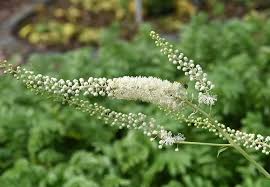
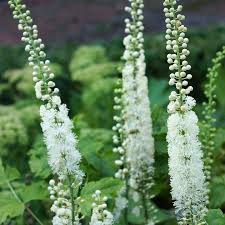
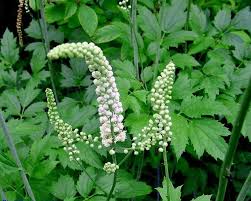
Black cohosh (Actaea racemosa, also known as Cimicifuga racemosa), part of the Ranunculaceae family, is a flowering plant native to North America, commonly called “black bugbane,” “black snakeroot,” or “fairy candle.” It grows in various woodland habitats.
The medicinal parts are the underground roots and rhizomes, containing glycosides, isoferulic acids (with anti-inflammatory effects), possible phytoestrogens (plant-based estrogens), and other active compounds. Leaves and above-ground parts are not used medicinally or nutritionally.
Black cohosh preparations vary in effects; for example, Remifemin is well-researched for reducing menopausal hot flashes.
The roots and rhizomes help relieve hormonal issues, particularly menopause symptoms like hot flashes, sleep disturbances, and bone loss. It offers a safer alternative to hormone replacement therapy (HRT) and may aid in managing PCOS and uterine fibroids.
A recent randomized clinical trial on black cohosh (Cimicifuga racemosa) for early menopausal symptoms found it reduced the Greene Climacteric Scale (GCS) total score and all subscales (vasomotor, psychiatric, physical, and sexual symptoms) after 4 and 8 weeks of treatment.
Read Also: Herbs and Spices Growing Guide
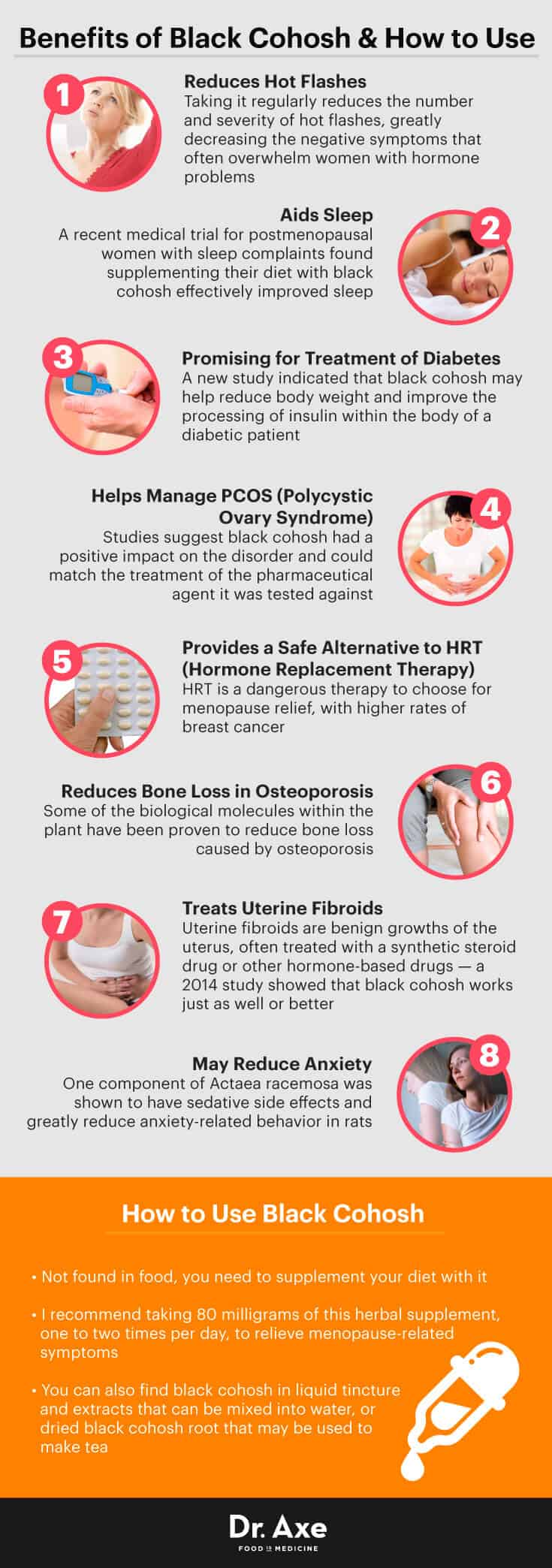
8 Benefits of Black Cohosh
1. Reduces Hot Flashes
Numerous studies examine black cohosh’s impact on menopausal symptoms like hot flashes. While some results vary due to differences in scales, dosages, and lack of consistent placebo controls, it is widely regarded as effective for reducing the frequency and severity of hot flashes, providing natural menopause relief.
Breast cancer survivors post-treatment also experience fewer hot flashes and night sweats with black cohosh. Ongoing research explores its use for hot flashes in men after prostate cancer treatment.
2. Aids Sleep
Sleep disturbances worsen menopausal symptoms and disrupt hormone balance. A clinical trial in postmenopausal women with sleep issues showed black cohosh supplementation improved sleep quality, suggesting it as a safe option for managing menopausal sleep problems.
For optimal hormone balance, aim for 7–8 hours of sleep nightly, with at least four hours between 10 p.m. and 2 a.m.
Read Also: How to Grow Herbs and Spices in Urban Areas
3. Promising for Treatment of Diabetes
A pilot study on the extract Ze 450 showed positive effects on type II diabetes, including reduced body weight and improved insulin processing.
4. Helps Manage PCOS (Polycystic Ovary Syndrome)
Studies suggest black cohosh positively impacts PCOS, with effects comparable to certain pharmaceutical treatments in initial research. It supports natural hormone balancing for PCOS management.
5. Provides a Safe Alternative to HRT (Hormone Replacement Therapy)
HRT increases breast cancer risk by about 24% in some cases. Black cohosh serves as a natural, safer option for menopause relief, with clinical studies supporting its use as an alternative to synthetic hormone therapies.
Read Also: Berberine – Importance and Health Benefits
6. Reduces Bone Loss in Osteoporosis
Black cohosh contains phytoestrogens and other compounds that help reduce osteoporosis-related bone loss. Specific molecules like ACCX show promise for new osteoporosis treatments, with evidence of preventing increased bone loss in menopausal women.
7. Treats Uterine Fibroids
A 2014 study comparing black cohosh extract to the synthetic steroid Tibolone found black cohosh more effective for treating uterine fibroids, offering a natural option over hormone-based drugs.
8. May Reduce Anxiety
Historically used for anxiety and depression, recent research indicates black cohosh components have sedative effects and reduce anxiety-related behavior in animal models. It may help with menopausal anxiety, with some studies showing improvements in psychological symptoms.
Scientific Evidence and Case Studies on Black Cohosh (Actaea racemosa)
1. Reduction in hot flashes and vasomotor symptoms: Multiple clinical trials and reviews show black cohosh reduces frequency and severity of hot flashes in menopausal women, with some studies reporting significant drops compared to placebo or estrogen treatments.
2. Improvement in menopausal symptoms overall: Randomized trials demonstrate reductions in Greene Climacteric Scale scores across vasomotor, psychiatric, physical, and sexual subscales after 4–8 weeks of treatment.
3. Support for bone health: Studies indicate black cohosh helps prevent bone loss in menopausal women and animal models, with phytoestrogens and specific compounds contributing to reduced osteoporosis risk.
4. Potential anxiety and mood benefits: Research links black cohosh to improvements in psychological symptoms, including reduced anxiety and depression in postmenopausal women, with sedative effects observed in animal studies.
5. PCOS and hormonal management: Preliminary studies suggest black cohosh positively impacts PCOS symptoms and hormone balance, comparable to some pharmaceuticals in early findings.
Summary of Black Cohosh (Actaea racemosa): Importance and Health Benefits
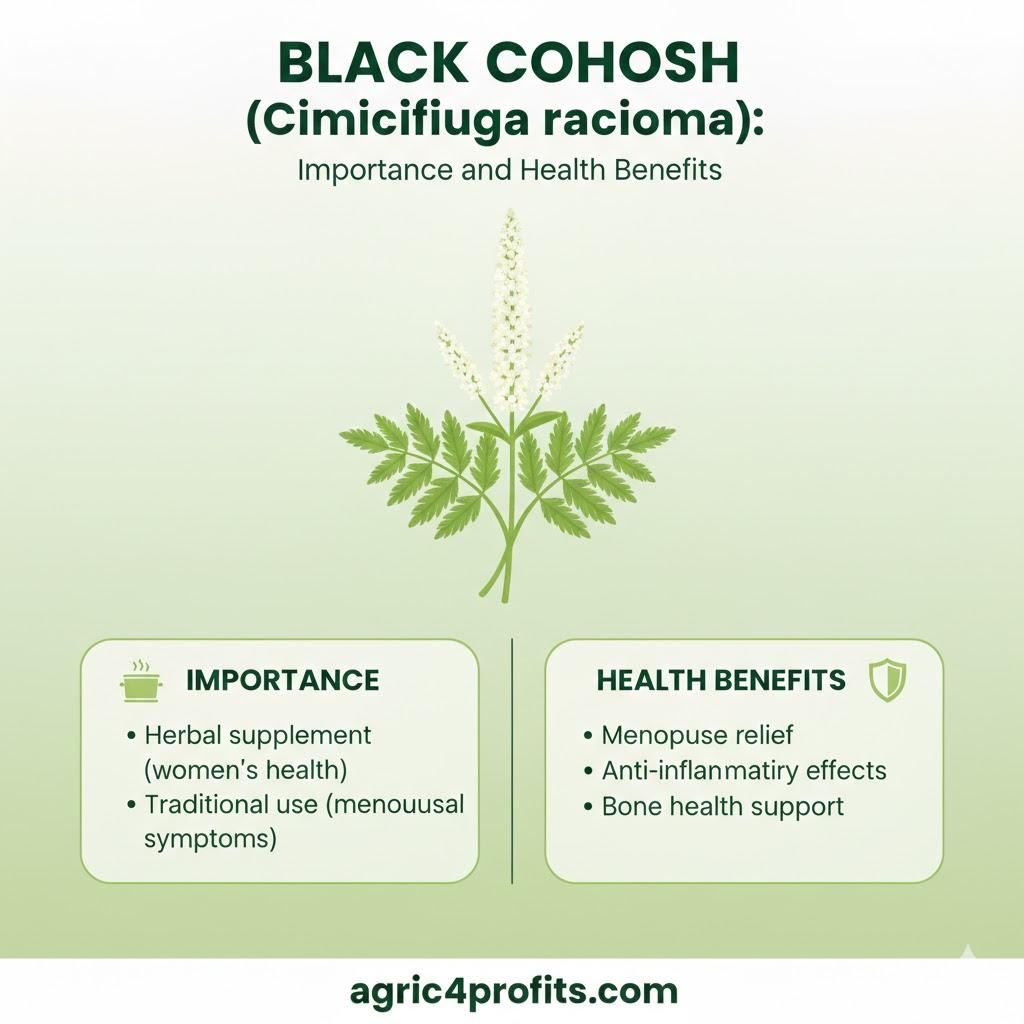
| Aspect | Description |
|---|---|
| Introduction | Flowering plant native to North America (Ranunculaceae family); roots/rhizomes used medicinally for hormonal issues, containing glycosides, isoferulic acids, and possible phytoestrogens. |
| Primary Uses | Relieves menopause symptoms (hot flashes, sleep issues, bone loss); alternative to HRT; aids PCOS, uterine fibroids, and potentially diabetes/anxiety. |
| Key Benefits | Reduces hot flashes and night sweats; improves sleep; promising for diabetes management; supports PCOS; safer HRT alternative; reduces bone loss; treats fibroids; may ease anxiety. |
| Scientific Support | Clinical trials show symptom reductions (e.g., GCS scores); evidence for vasomotor relief, bone protection, and mood benefits; some results mixed but generally positive for menopause. |
| Safety and Alternatives | Considered safer than HRT; avoid synthetic hormones when possible; natural hormone-balancing option. |
| Other Notes | Not all studies conclusive due to dosage variations; more research needed for some benefits like diabetes and anxiety. |
Frequently Asked Questions
1. What is black cohosh and what parts are used medicinally?
Black cohosh (Actaea racemosa) is a North American flowering plant; only the roots and rhizomes are used, containing active compounds like glycosides and possible phytoestrogens for hormonal support.
2. How does black cohosh help with menopause symptoms?
It reduces hot flashes, night sweats, sleep disturbances, and other symptoms by acting on hormonal pathways, often providing relief comparable to or safer than hormone replacement therapy.
3. Is black cohosh effective for reducing hot flashes?
Yes, many studies show it decreases the frequency and severity of hot flashes in menopausal women and even in cancer survivors experiencing treatment-related flashes.
4. Can black cohosh improve sleep during menopause?
Clinical trials indicate black cohosh supplementation improves sleep quality in postmenopausal women with disturbances, aiding overall hormone balance.
5. Does black cohosh help with PCOS or uterine fibroids?
Preliminary research suggests positive effects on PCOS symptoms and hormone balance; one study found it more effective than synthetic drugs for treating uterine fibroids.
6. Is black cohosh a safe alternative to hormone replacement therapy (HRT)?
It offers a natural option with fewer risks (e.g., no increased breast cancer risk like some HRT), supported by studies seeking HRT replacements.
7. Does black cohosh support bone health in osteoporosis?
Evidence shows it helps reduce bone loss in menopausal women through phytoestrogens and other compounds, with potential for new osteoporosis treatments.
8. Can black cohosh reduce anxiety or mood issues?
Some studies link it to reduced anxiety, depression, and psychological symptoms in menopause, with animal research showing sedative and anxiety-lowering effects.
9. Is black cohosh promising for diabetes management?
Pilot studies on specific extracts (like Ze 450) indicate benefits like improved insulin processing and weight reduction in type II diabetes.
10. Are there any precautions with black cohosh?
Generally considered safe for short-term use in menopause; consult a doctor for long-term use, pregnancy, or interactions, as evidence varies and not all studies are conclusive.
Do you have any questions, suggestions, or contributions? If so, please feel free to use the comment box below to share your thoughts. We also encourage you to kindly share this information with others who might benefit from it. Since we can’t reach everyone at once, we truly appreciate your help in spreading the word. Thank you very much for your support and for sharing!
Disclaimer: This article is for educational and informational purposes only. The health benefits described are based on scientific research and traditional knowledge. They ayre not a substitute for professional medical advice, diagnosis, or treatment. Always consult a healthcare professional before using any herb or natural remedy for medical purposes.