


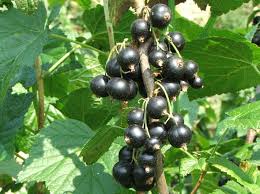
The black currant is sometimes referred to as blackcurrant and known by its scientific name Ribes nigrum. This little shrub is indigenous to portions of northern and central Europe as well as Siberia, where it thrives in the frigid climate.
Black currants were known as “forbidden fruit” because they were prohibited from being grown and imported into various regions of the United States for more than 50 years. It was thought to be spreading a fungus that posed a hazard to the forestry sector.
Today, commercial expansion is permitted because the impacted trees have been bred to withstand these dangers.
The shrub is currently grown domestically and commercially for its nutrient-rich, sour berries.
Blackcurrants (Ribes nigrum L.) are little, berry-like fruits that are indigenous to northern and central Asia and central Europe. They are now grown in climatically moderate regions of the world.
Along with other micro and macronutrients, fruits are particularly high in vitamin C, organic acids, and essential oils.
Thus, they have an acidic but sweet flavor. Additionally, they contain phenolic chemicals with antibacterial and antioxidant effects.
Blackcurrant leaves have special derivatives of quercetin. The anti-inflammatory, antiviral, and antiseptic properties are also aided by these active compounds.
Its extracts are used by conventional medicine to treat a range of illnesses, including cancer. There are numerous clinical studies available now that demonstrate the beneficial effects of blackcurrants on heart, brain, and renal problems.
Medium-sized shrub Ribes nigrum can reach heights of 1.5 by 1.5 meters (5 by 5 feet). The leaves have five palmate lobes and are alternating, simple, and 3 to 5 centimeters long and wide.
The plant’s scent is powerful in every area. The blooms are produced in racemes called “strigs” that can grow up to 8 cm (3 in) long, have 10–20 flowers, and measure around 8 mm (3/8 in) in diameter each. Each flower has a five-lobed, hairy calyx with yellow glands that is longer than the unnoticeable petals.
The stigma, style, and two joined carpels are surrounded by five stamens. The strig’s base sprouts a sequence of flowers that are largely insect pollinated, while some pollen is dispersed by the wind.
When a pollen particle touches a stigma, it will germinate and travel down the style to the ovule in the form of a thin pollen tube.
This process typically takes 48 hours in warm weather, but it might take up to a week in cold weather, by which time the ovule may no longer be responsive. The fruit may not be able to develop and may fall before its time if less than 35 ovules are fertilized.
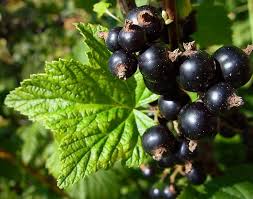
Midsummer sees the green fruit strigs turn into edible berries that are very dark purple, nearly black, with glossy skins and persistent calyxes at the tip, each of which has several seeds. Every year, a mature bush can yield roughly 4.5 kilos (10 pounds) of fruit.
Read Also: Reasons why Black Currant is good for your Health
6 Health Benefits Of Black Currant (Ribes nigrum L)

Various academics are becoming interested in blackcurrants due to their many advantages. Antioxidants are abundant in these berries. Additionally, they have antispasmodic, anticancer, and anti-diabetic effects.
Additionally, according to research, these berries can improve memory and fight a variety of viral diseases. They provide a variety of advantages for the skin and eyes as well.
You may learn more about how blackcurrants can help with both acute and chronic diseases in the article that follows. Look at the research underlying the advantages as well.
1. Contains Anthocyanin’s
The high anthocyanin concentration of the black currant is what gives it its rich purple hue. Depending on their pH, anthocyanins, which are plant pigments, can give a red, purple, or blue tint.
Black currants have been found to contain up to 15 different types of anthocyanins, which is a good diversity.
Anthocyanins function as a plant pigment in addition to having several health-improving qualities. Anthocyanins have been linked to improvements in diabetes, obesity, and even heart health, according to research.
In order to avoid chronic disease and cell damage, they also function as antioxidants, which are substances that counteract dangerous free radicals.
Berries, eggplant, red cabbage, and grapes are some additional anthocyanin-rich foods in addition to black currants. Your health may benefit long-term if you consume a sufficient amount of these foods.
Read Also: 10 Health Benefits of Borage (Borago officinalis)
2. Reduces Cancer Growth
The possible anti-cancer properties of the black currant plant are among its most outstanding advantages. Black currant extract has been linked to some studies as having a high anthocyanin concentration, which may help inhibit the spread of cancer.
Black currant extract was successful in slowing the growth of liver cancer cells in a test-tube study carried out by Northeastern Ohio Universities Colleges of Medicine and Pharmacy.
Black currant extract was demonstrated to stop the growth of breast and endometrial cancer cells in another Japanese investigation.
Following additional studies reported in the Journal of Medicinal Food, black currant extract may also be beneficial in eliminating stomach and esophageal cancer cells.
3. Boosts Immunity
Vitamin C is abundant in black currant. In fact, only one cup of raw black currants can give you treble the daily recommended amount.
The immune-strengthening and anti-inflammatory effects of vitamin C are widely documented. According to studies, vitamin C can reduce the length of time that respiratory tract illnesses last and protect against infections including malaria, pneumonia, and diarrhea, among others.
In a review of 12 research conducted by the Department of Public Health at the University of Helsinki in Finland, it was discovered that vitamin C supplementation significantly reduced the incidence of pneumonia and the common cold, respectively, by up to 91 percent and 80 to 100 percent.
Additionally, vitamin C functions as an antioxidant that has been shown to protect tissues from oxidative stress brought on by dangerous free radicals. This antioxidant effect has even been linked to a lower risk of heart disease, cancer, and stroke.
To maintain a strong immune system, consume foods high in vitamin C, such as fruits and vegetables, along with black currants or black currant seed oil for optimal results.
Read Also: 4 Health Benefits of Boswellia Serrata
4. Protects Against Pathogens
Black currant has strong antioxidant effects in addition to having antibacterial qualities that may help defend against dangerous bacteria and viruses.
According to a Japanese study from 2012 that was published in Microbiology and Immunology, black currant extract at a concentration of less than 1% was able to stop the growth of many virus types, including those that cause adenovirus and influenza, by more than 50%. A 10% extract concentration was effective in preventing 95% of these viruses from adhering to cell surfaces.
Using a concentrated dose of black currant seed extract to treat influenza strains was shown to entirely suppress virus growth in a different study from the Department of Microbiology at Asahikawa Medical College in Japan.
5. Lowers High Level Cholesterol
The risk of metabolic illnesses such as liver and cardiovascular disease is increased by high levels of LDL (bad) cholesterol. Anthocyanin-rich diets have been linked to lower levels of LDL and total cholesterol, according to research. Additionally, they raise serum levels of HDL (good) cholesterol.
This is supported by research using blackcurrant extract on animals. When compared to untreated/control subjects, those who received this extract had considerably lower cholesterol levels.
6. Protects Your Brain
Black currant extract prevents lipid peroxidation in your body, much like vitamin C does. Due to its antioxidant capacity, experimental tests indicate a 65% inhibition rate. The best benefit of this activity is that it helps to safeguard your central nervous system.
Without this result, free radicals build up in your body. Free radicals have been linked to the development of neurodegenerative illnesses such as Alzheimer’s, Huntington’s, and Parkinson’s.
Nutritional value of Black Currant (Ribes nigrum L)
1. Anthocyanins: These are powerful antioxidant pigments that give the fruit its deep purple color. They are highly concentrated in Black Currants and are studied for their ability to support eye health, improve blood circulation, and protect cells from oxidative stress.
2. Vitamin C: Black Currants are an exceptional source of this essential vitamin, containing significantly more per gram than oranges. Vitamin C is vital for collagen synthesis, immune system function, and the absorption of non-heme iron from plant-based foods.
3. Gamma-Linolenic Acid (GLA): Found primarily in the seeds, this omega-6 fatty acid is rare in many diets. GLA is recognized for its anti-inflammatory properties and its role in supporting hormonal balance and skin health.
4. Quercetin: A potent flavonoid that acts as a natural antihistamine and anti-inflammatory agent. It helps stabilize the cells that release histamine in the body, thereby providing a protective effect against allergic reactions and cardiovascular strain.
5. Vitamin E: This fat-soluble antioxidant is present in the seed oil of the berry. It helps protect cell membranes from damage and works synergistically with Vitamin C to bolster the body’s natural defense mechanisms.
6. Potassium: An essential mineral and electrolyte found in the fruit. Potassium is crucial for maintaining proper fluid balance, supporting nerve signals, and regulating muscle contractions and heart rhythm.
7. Soluble Fiber (Pectin): Black Currants are rich in pectin, a type of fiber that aids in digestion. It helps regulate blood sugar levels and can assist in lowering cholesterol by binding to fats in the digestive tract.
8. Iron: While typically found in animal products, Black Currants provide a plant-based source of iron. This mineral is necessary for the production of hemoglobin, which carries oxygen throughout the bloodstream.
9. Magnesium: This mineral is involved in over 300 biochemical reactions in the human body. In Black Currants, it contributes to bone health, protein synthesis, and the maintenance of a healthy nervous system.
10. Pantothenic Acid (Vitamin B5): This B-vitamin is essential for the metabolism of carbohydrates, proteins, and fats. it helps the body convert food into energy and is important for the production of red blood cells and stress-related hormones.
Scientific Evidence and Case Studies on Black Currant (Ribes nigrum L)
1. Effects on Visual Fatigue and Eye Health: A study by Nakaishi et al. (2000) titled “Effects of Black Current Anthocyanoside Intake on Dark Adaptation and VDT Work-induced Transient Refractive Alteration in Healthy Humans” investigated eye strain. The researchers found that black currant anthocyanins significantly improved dark adaptation and reduced visual fatigue in individuals working long hours at computer screens.
2. Modulation of Glycemic Response: In a study by Törrönen et al. (2012) titled “Berries Modify the Postprandial Glycemic Response to Sucrose in Healthy Subjects,” black currants were shown to flatten the blood sugar spike after a meal. The research suggests that the polyphenols in the berries inhibit the enzymes responsible for breaking down starch and sugar.
3. Immune System Support and Exercise: Research conducted by Hurst et al. (2020) in “Blackcurrant Anthocyanins and the Management of Oxidative Stress” evaluated athletes. The study concluded that supplementation with black currant extract helps modulate oxidative stress and reduces the inflammatory response caused by intense physical exercise, allowing for faster recovery.
4. Cardiovascular Function and Blood Flow: A study by Cook et al. (2017) titled “Anthocyanin-Rich Blackcurrant Extract Preserves Microvascular Function” demonstrated that regular intake improves blood flow. The findings indicated that the extract promotes vasodilation, which helps maintain healthy blood pressure levels and overall arterial health.
5. Cognitive Performance and Mood: In a randomized controlled trial, Watson et al. (2015) titled “Acute Supplementation with Blackcurrant Juice Modulates Cognitive Performance and Monoamine Oxidase B Activity” found that consumption improved attention and mood. The researchers observed a decrease in the activity of enzymes that break down “feel-good” neurotransmitters like dopamine.
Frequently Asked Questions About Black Currant (Ribes nigrum L)
1. What is the difference between Black Currants and Zante Currants?
True Black Currants (Ribes nigrum) are fresh or frozen berries from a shrub, whereas Zante “currants” found in the baking aisle are actually small, dried Corinth grapes.
2. Can Black Currants help with hair and skin health?
Yes, the high levels of Vitamin C and Gamma-Linolenic Acid (GLA) support collagen production and skin hydration, which can lead to stronger hair and improved skin elasticity.
3. Are Black Currants safe for people with kidney stones?
Black Currants contain moderate levels of oxalates. People prone to calcium-oxalate kidney stones should consult a doctor before consuming large amounts of the fruit or concentrated extracts.
4. How does the Vitamin C content compare to other fruits?
Black Currants contain approximately four times the Vitamin C of oranges and double the antioxidants of blueberries, making them a dense “superfood” for immune support.
5. Can I eat the seeds of the Black Currant?
Yes, the seeds are edible and are actually the source of the beneficial Gamma-Linolenic Acid (GLA) found in black currant seed oil.
6. Does Black Currant interact with blood-thinning medications?
Because Black Currants can improve blood flow and potentially slow clotting, those on anticoagulant or antiplatelet medications should speak with a physician before using concentrated supplements.
7. Is it better to eat them fresh or as a juice?
Fresh berries provide the most fiber, but many of the anthocyanins are preserved in high-quality, unsweetened juices and extracts, which are often used in scientific studies.
8. Why were Black Currants once banned in the United States?
They were banned in the early 1900s because they were thought to spread a fungus that threatened the timber industry. The federal ban was lifted in 1966, though some states still have restrictions.
Do you have any questions, suggestions, or contributions? If so, please feel free to use the comment box below to share your thoughts. We also encourage you to kindly share this information with others who might benefit from it. Since we can’t reach everyone at once, we truly appreciate your help in spreading the word. Thank you very much for your support and for sharing!
Disclaimer: This article is for educational and informational purposes only. The health benefits described are based on scientific research and traditional knowledge. They ayre not a substitute for professional medical advice, diagnosis, or treatment. Always consult a healthcare professional before using any herb or natural remedy for medical purposes.
Read Also: 7 Health Benefits of Berberine (Berberine hydrochloride)
Read Also: What You Need to Know About Osteospermum