


Maize, scientifically known as Zea mays, is a member of the grass family Poaceae and ranks as the third most important cereal grain globally after wheat and rice. It serves as a vital source of nutrients for humans and animals and acts as a key raw material for producing starch, oil, protein, alcoholic beverages, food sweeteners, and fuel.
Maize seeds, technically fruits, grow in large clusters called corn ears. These ears, especially the elongated ones, contain high levels of antioxidants. Corn has been used for millennia as a diuretic to increase urination and flush excess potassium, supporting kidney health and potentially preventing or aiding in the management of kidney stones.
Various components of maize help lower cholesterol, protect heart health, reduce blood pressure, and regulate blood sugar levels. Research highlights its anticancer, antioxidant, anti-inflammatory, and hypotensive properties. Its high fiber content, combined with vitamin C, helps prevent cardiovascular disease, promotes healthy digestion, and strengthens the immune system.
Maize grain is an excellent source of fiber and essential nutrients. It can help prevent and manage anemia, acts as an anti-diabetic food, and supports individuals with high cholesterol.
Read Also: Melon (Cucumis melo): Health Benefits, Healing Powers and Uses
Physical Characteristics of Maize (Corn)
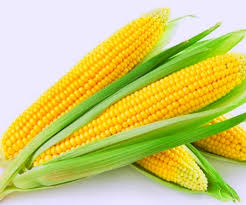
The maize plant is a tall annual grass with a strong, upright stem. Large, narrow leaves are arranged alternately on opposite sides of the stem and feature wavy margins.
Staminate (male) flowers form on the tassel at the top of the stem. Pistillate (female) inflorescences develop into edible ears, consisting of a thickened axis with paired spikelets in longitudinal rows, typically producing two rows of grain per pair.
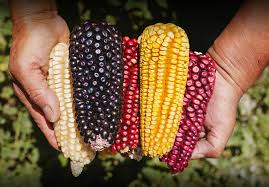
Popular varieties include yellow and white corn, though red, blue, pink, and black kernels (often banded, spotted, or striped) also exist. Each ear is enclosed by shucks or husks, which are modified leaves.
These are just some of the health benefits of maize (Zea mays)
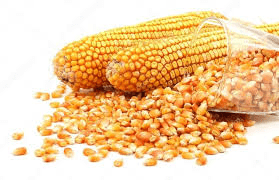
Corn exhibits anticancer, anti-inflammatory, hypotensive, and hypoglycemic effects. It is generally safe for consumption and serves as a valuable source of nutrition and energy. Its anti-inflammatory properties support treatment of peptic ulcers and other gastrointestinal issues.
Maize provides essential minerals including iron and acts as an effective diuretic. Corn silk, in particular, offers additional benefits when consumed.
Corn can help prevent hemorrhoids, promote healthy weight management, prevent kidney stones, and regulate blood sugar. It contains calcium, vitamins B2, C, and K, protein, fiber, and essential amino acids.
Maize has been used traditionally to treat edema, kidney stones, and bedwetting. Its versatility and wide range of health benefits make it a recommended natural food source.
Corn (Maize) Varieties
Commercial corn is classified into dent corn, flint corn, flour corn, sweet corn, and popcorn based on kernel texture.
Dent corn features a depression in the kernel crown due to unequal drying of hard and soft starch; it is mainly used for animal feed and food processing.
Flint corn has no crown depression and little soft starch; it is used for decoration and as hominy.
Flour corn consists mostly of soft starch, yielding mealy, easily ground kernels ideal for cornflour production.
Sweet corn has wrinkled, translucent seeds with sugar that does not convert to starch; it is commonly eaten fresh, frozen, or canned as a vegetable.
Popcorn is a flint corn type with small, hard kernels lacking soft starch; heating causes internal moisture to expand, popping the kernels.
Scientific Evidence and Case Studies on Health Benefits of Maize (Zea mays)
1. Antioxidant and anti-inflammatory effects: Maize extracts, particularly from kernels and silk, demonstrate strong antioxidant activity and reduce inflammation in various models.
2. Anticancer properties: Compounds in maize inhibit cancer cell proliferation and exhibit antitumor effects in laboratory studies.
3. Cardiovascular protection: High fiber and vitamin content in corn help lower cholesterol levels, reduce blood pressure, and decrease the risk of heart disease.
4. Antidiabetic potential: Maize components regulate blood sugar levels and improve insulin sensitivity in relevant research.
5. Diuretic and kidney support: Corn silk and other parts promote increased urination, aid in flushing excess minerals, and support kidney stone prevention.
Summary of Health Benefits of Maize (Zea mays)
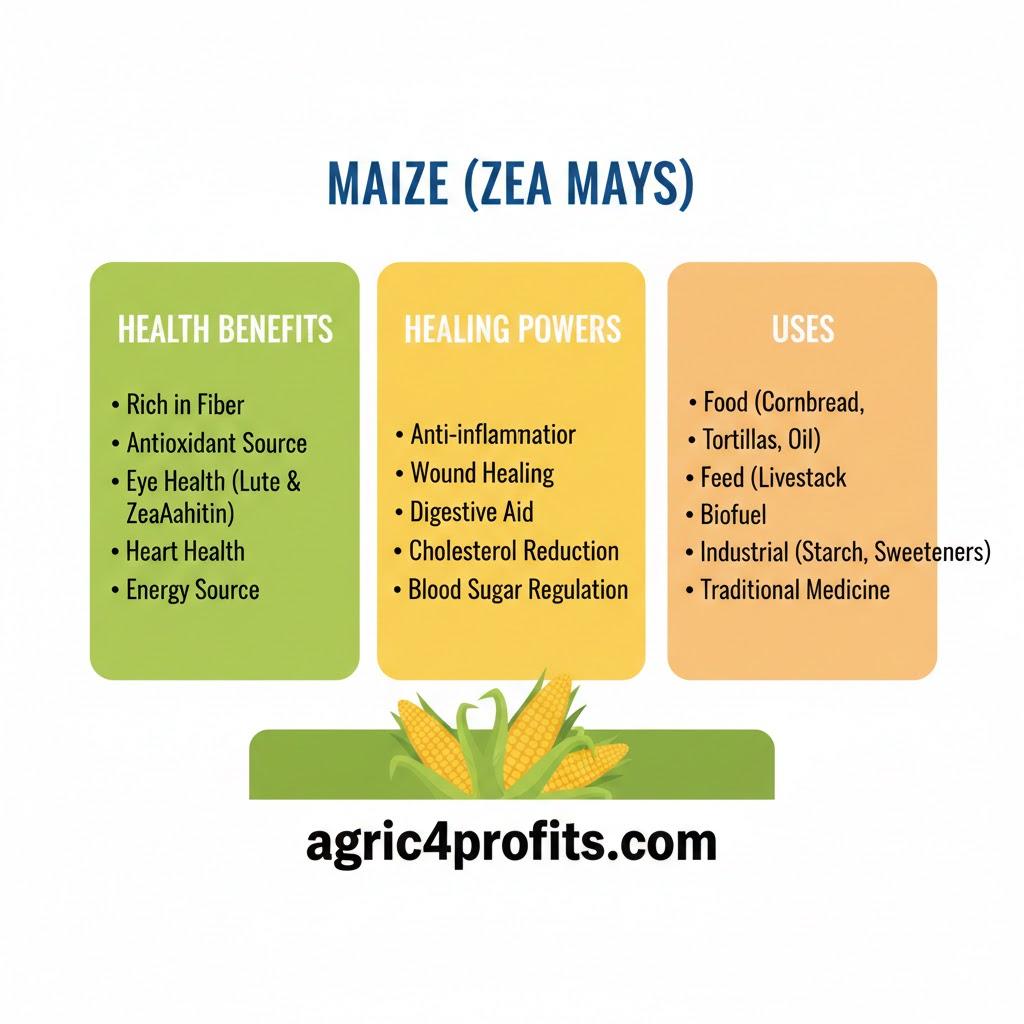
| Aspect | Key Points |
|---|---|
| Nutritional Content | Rich in fiber, protein, vitamins (B2, C, K), minerals (calcium, iron), essential amino acids, antioxidants. |
| Botanical & Growth | Tall annual grass (Zea mays), Poaceae family; produces ears with kernels in various colors; third most important cereal globally. |
| Traditional & Modern Uses | Used as diuretic, kidney support, anti-inflammatory remedy; consumed as food, feed, and raw material for starch, oil, sweeteners, fuel. |
| Health Benefits | Lowers cholesterol and blood pressure; regulates blood sugar; supports heart health, digestion, immunity; prevents anemia; anticancer and anti-inflammatory effects; aids kidney stone prevention. |
| Varieties | Dent (feed/processing), flint (decoration/hominy), flour (cornflour), sweet (vegetable), popcorn (snack). |
| Other Notes | Versatile and safe; corn silk offers extra benefits; widely used historically and today for nutrition and therapy. |
Frequently Asked Questions
1. What is the scientific name of maize?
The scientific name of maize is Zea mays.
2. Why is maize considered one of the most important cereal grains?
Maize ranks third globally after wheat and rice due to its high nutritional value, versatility, and use in food, feed, and industrial products.
3. What are the main health benefits of eating maize?
Maize supports heart health, regulates blood sugar, lowers cholesterol, promotes digestion, boosts immunity, prevents anemia, and offers antioxidant and anti-inflammatory effects.
4. Does maize help with kidney health?
Yes, maize acts as a diuretic, helps flush excess potassium, and may prevent or aid in managing kidney stones.
5. Can maize help prevent or manage diabetes?
Yes, its components help regulate blood sugar levels and make it suitable as an anti-diabetic food.
6. What vitamins and minerals are found in maize?
Maize contains vitamins B2, C, and K, as well as minerals like calcium and iron, plus protein, fiber, and essential amino acids.
7. What are the main commercial varieties of maize?
The main varieties are dent corn, flint corn, flour corn, sweet corn, and popcorn, each differing in kernel texture and primary use.
8. Is maize safe for regular consumption?
Yes, maize is generally safe and provides valuable nutrition and energy when eaten as part of a balanced diet.
9. Does corn have anticancer properties?
Research shows maize contains compounds with anticancer effects that can inhibit cancer cell growth.
10. How does maize support cardiovascular health?
Its high fiber and vitamin C content help lower cholesterol, reduce blood pressure, and decrease the risk of cardiovascular disease.
Do you have any questions, suggestions, or contributions? If so, please feel free to use the comment box below to share your thoughts. We also encourage you to kindly share this information with others who might benefit from it. Since we can’t reach everyone at once, we truly appreciate your help in spreading the word. Thank you very much for your support and for sharing!
Disclaimer: This article is for educational and informational purposes only. The health benefits described are based on scientific research and traditional knowledge. They ayre not a substitute for professional medical advice, diagnosis, or treatment. Always consult a healthcare professional before using any herb or natural remedy for medical purposes.
Read Also: Methods of Livestock Breeding in the Tropical Environment