


Coccidiosis is one of the most common and costly diseases in poultry farming. It affects chickens, turkeys, and other poultry species by targeting the intestinal tract, making it harder for birds to absorb nutrients and maintain healthy growth. The disease is caused by a single-celled parasite from the genus Eimeria, and it spreads quickly in warm, humid conditions where birds are kept in close quarters.
The infection cycle starts when birds come into contact with contaminated droppings. The parasite sheds oocysts, which are microscopic eggs that survive in the environment for a long time. When a healthy bird ingests these oocysts, they invade the gut lining, cause tissue damage, and begin multiplying. Young birds are especially at risk because their immune systems have not yet developed strong defenses against the parasite.
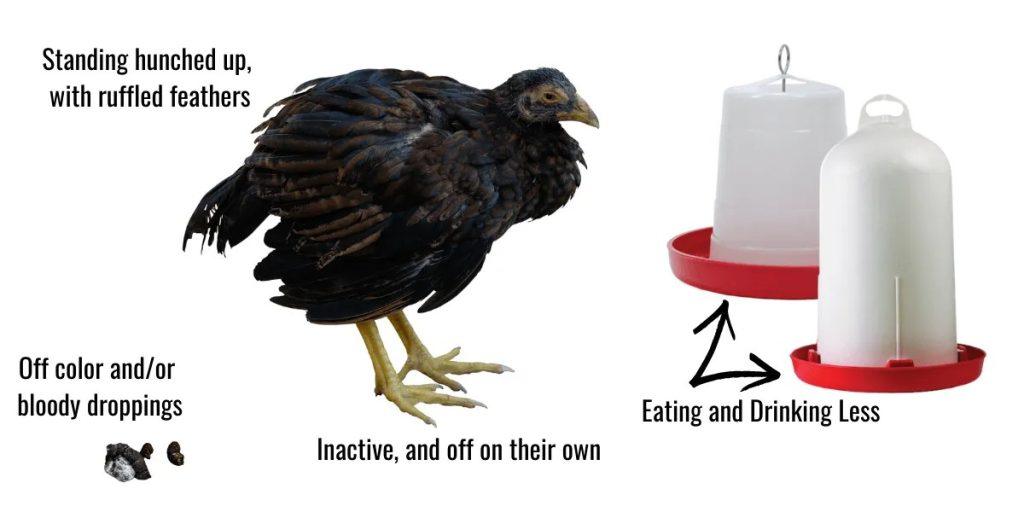
Early signs of coccidiosis include reduced feed intake, lethargy, ruffled feathers, and diarrhea. As the disease progresses, blood may appear in the droppings, particularly with strains like Eimeria tenella, which causes deep lesions in the ceca. Affected birds can also develop anemia, poor bone development, and weakened immunity, leaving them open to other infections. In severe cases, especially among chicks, coccidiosis can be fatal.
Beyond the health impact, coccidiosis has real economic consequences. Infected birds consume more feed but gain less weight and produce fewer eggs. This imbalance drives up costs and reduces profitability. During serious outbreaks, mortality rates can rise sharply, adding further financial strain to already tight margins.
Many poultry farmers today are looking for ways to manage coccidiosis without relying entirely on synthetic drugs. Concerns about drug resistance, residue in meat and eggs, and the growing preference for naturally raised products have pushed more farmers toward organic and integrated management approaches. The good news is that several natural remedies, combined with strong preventive practices, can help control coccidiosis effectively, especially when infections are mild to moderate.
This article covers organic treatment options for coccidiosis in poultry, preventive management strategies, and answers to common questions on the topic.
Read Also: Coccidiosis Disease in Poultry: Symptoms and Prevention
1. How to Treat Coccidiosis in Chickens Naturally
Natural treatments work best when started early and combined with good hygiene and management. Here are the most effective organic options:
A. Apple Cider Vinegar (ACV)
Apple cider vinegar has antibacterial and antifungal properties that help maintain a healthy gut environment. It lowers gut pH, creating conditions less favorable for Eimeria parasites, and supports the immune system during an outbreak.
i. How to Use: Add one tablespoon of raw, unfiltered apple cider vinegar per gallon of drinking water. Provide this two to three days each week for prevention and management.
ii. Benefits: ACV balances gut pH, discourages pathogen growth, and helps flush toxins from the digestive system.
B. Garlic
Garlic is well known for its antimicrobial and immune-boosting properties. It fights infections naturally and can reduce parasite load during a coccidiosis outbreak.
i. How to Use: Crush a few garlic cloves and add them to drinking water, about one clove per liter. Use daily during an outbreak and reduce to once a week for ongoing maintenance.
ii. Benefits: Garlic supports immune function, has antiviral and antifungal qualities, and helps lower the parasite burden in the gut.
C. Oregano Oil
Oregano oil contains two active compounds, thymol and carvacrol, which have strong antimicrobial effects. Research has shown that oregano oil can inhibit the growth of Eimeria parasites and help reduce the spread of infection.
i. How to Use: Add about two drops of oregano oil per gallon of drinking water. Make sure it is well diluted, as concentrated oregano oil can irritate the digestive tract.
ii. Benefits: Oregano oil improves gut health, boosts immunity, and provides natural defense against a range of pathogens.
D. Probiotics
Probiotics support gut health by encouraging the growth of beneficial bacteria. Coccidiosis disrupts the balance of gut flora, and probiotics help restore it, making the digestive environment less hospitable for parasites.
i. How to Use: Add probiotics to feed or water. Plain yogurt works as a natural source, but commercial poultry probiotics are also available and often more consistent.
ii. Benefits: Probiotics improve digestion, enhance nutrient absorption, and provide immune support during and after an outbreak.
E. Diatomaceous Earth (DE)
Food-grade diatomaceous earth helps reduce parasite numbers in the coop environment. Its fine, sharp edges physically damage parasites at a microscopic level, limiting their spread and reducing the chance of reinfection.
i. How to Use: Sprinkle food-grade DE around the coop, nesting boxes, and bedding. A small amount can also be added to feed, around 1 to 2 percent of total feed volume. Avoid creating dust clouds that birds might inhale.
ii. Benefits: DE keeps the coop drier, limits moisture buildup, and reduces parasite load in the environment.
F. Herbal Remedies
Several herbs offer antimicrobial, antiparasitic, and anti-inflammatory benefits that can help manage coccidiosis naturally. Useful herbs include thyme, oregano, sage, and turmeric.
i. How to Use: Add dried or fresh herbs directly to chicken feed or hang herb bundles in the coop. Turmeric can be added to feed in small amounts, about one teaspoon per 5 to 10 chickens.
ii. Benefits: Thyme and oregano have antimicrobial properties, while turmeric reduces intestinal inflammation and supports immune health.
G. Cinnamon
Cinnamon has antifungal and antibacterial properties that support gut health and help slow the spread of infection. Its compounds can reduce parasite growth without disrupting beneficial bacteria.
i. How to Use: Add a small pinch of ground cinnamon to feed a few days each week during an outbreak. Use sparingly, as cinnamon is potent.
ii. Benefits: Cinnamon aids digestion, boosts immunity, and helps fight harmful pathogens in the gut.
H. Fresh Clean Water
Providing clean, fresh water is one of the simplest and most important steps in managing coccidiosis. Hydration is critical during illness, and clean water prevents birds from ingesting parasites through contaminated sources.
i. How to Use: Change water daily and clean waterers regularly. During an outbreak, add electrolytes to the water to help maintain hydration levels.
ii. Benefits: Clean water prevents recontamination, supports hydration, and helps flush toxins and parasites from the body.
I. Controlled Feeding with Natural Supplements
A balanced diet with quality natural supplements supports the immune system and speeds up recovery. Kelp powder and alfalfa are good options, as both are rich in vitamins and minerals that promote overall flock health.
i. How to Use: Add supplements to feed in small quantities, following poultry-specific usage guidelines.
ii. Benefits: Nutrient-rich supplements support immune function, promote gut health, and help birds recover faster from infection.
J. Improved Coop Hygiene and Management
A clean coop is one of the most effective tools against coccidiosis. The disease spreads quickly in dirty and crowded conditions, so sanitation is not optional. It is essential.
i. How to Use: Clean the coop regularly, remove droppings frequently, and keep bedding dry. Use lime or diatomaceous earth to absorb moisture, especially in humid climates.
ii. Benefits: A clean environment reduces parasite load, limits infection spread, and creates a healthier living space for your flock.
2. Preventive Measures: Keeping Your Poultry Free from Coccidiosis
Prevention is always better than treatment. The following practices help reduce the risk of coccidiosis taking hold in your flock:
A. Sanitation and Coop Cleanliness
The Eimeria parasite spreads through contaminated droppings, so keeping the coop clean is the first line of defense.
i. Regular Cleaning: Remove droppings daily, especially around feeding and watering areas. This minimizes the chance of birds ingesting the parasite from contaminated surfaces.
ii. Deep Bedding: Use fresh, dry bedding like wood shavings or straw, and replace it regularly. Wet bedding harbors parasites and bacteria.
iii. Lime and Diatomaceous Earth: Apply lime or food-grade DE to the coop floor before adding fresh bedding. Lime reduces moisture and DE limits parasite presence in the litter.
B. Control Moisture and Humidity
Coccidia thrive in moist conditions. Keeping the coop dry significantly reduces their ability to survive and multiply.
i. Good Ventilation: Make sure the coop has proper airflow to reduce humidity and keep the interior dry.
ii. Manage Water Spillage: Place waterers away from bedding. Nipple drinkers are a good option to minimize spills and wet litter.
iii. Regular Inspections: Check bedding periodically for dampness and replace when needed. Drier conditions mean fewer parasites.
C. Implement a Strong Biosecurity Plan
Reducing how pathogens enter and move around your farm is key to preventing outbreaks.
i. Limit Visitor Access: Restrict entry to the poultry area to essential personnel only. Visitors can carry pathogens on their shoes, clothes, and equipment.
ii. Footbaths and Shoe Covers: Place disinfectant footbaths at coop entrances and use shoe covers or dedicated footwear inside the poultry area.
iii. Isolate New or Sick Birds: Quarantine new birds before adding them to the main flock. Remove and isolate any bird showing signs of illness right away.
Read Also: Newcastle Disease in Poultry: Symptoms and Prevention
D. Practice Proper Feeding and Watering Techniques
Contaminated feed and water are two of the main ways coccidia spread. Clean feeding practices go a long way in reducing exposure.
i. Elevate Feeders and Waterers: Keep feeders and waterers off the ground to prevent birds from contaminating them with droppings. Clean them regularly.
ii. Avoid Ground Feeding: Feeding directly on the ground increases contact with contaminated droppings. Use feeders to keep feed clean.
iii. Fresh, Clean Water: Change water daily and disinfect containers regularly. Dirty water can harbor both parasites and bacteria.
E. Rotate Pasture or Ranging Areas
For flocks with outdoor access, rotating grazing areas helps prevent coccidia from building up in the soil.
i. Divide Pasture into Sections: Set up a rotational grazing system. Let one section rest while birds use another, then switch. This gives the resting area time to dry out and reduce parasite levels naturally.
ii. Move Portable Coops: If you use moveable coops, shift them to fresh ground regularly. This limits soil contamination and allows used areas to recover.
F. Strengthen Immunity Through Nutrition
A well-nourished bird is better equipped to fight off infection. Good nutrition builds the immune defenses that help birds resist and recover from coccidiosis.
i. Provide Quality Feed: Give your flock a complete, balanced diet suited to their age and production stage. Nutritional deficiencies weaken immunity and increase disease risk.
ii. Add Probiotics: Probiotics support gut health by boosting good bacteria. Many commercial feeds include them, or you can add a poultry-specific supplement.
iii. Supplement with Herbs: Herbs like oregano, garlic, and thyme support immune function and gut health. Adding them to the diet regularly helps maintain a healthy digestive system.
G. Use Preventive Natural Remedies
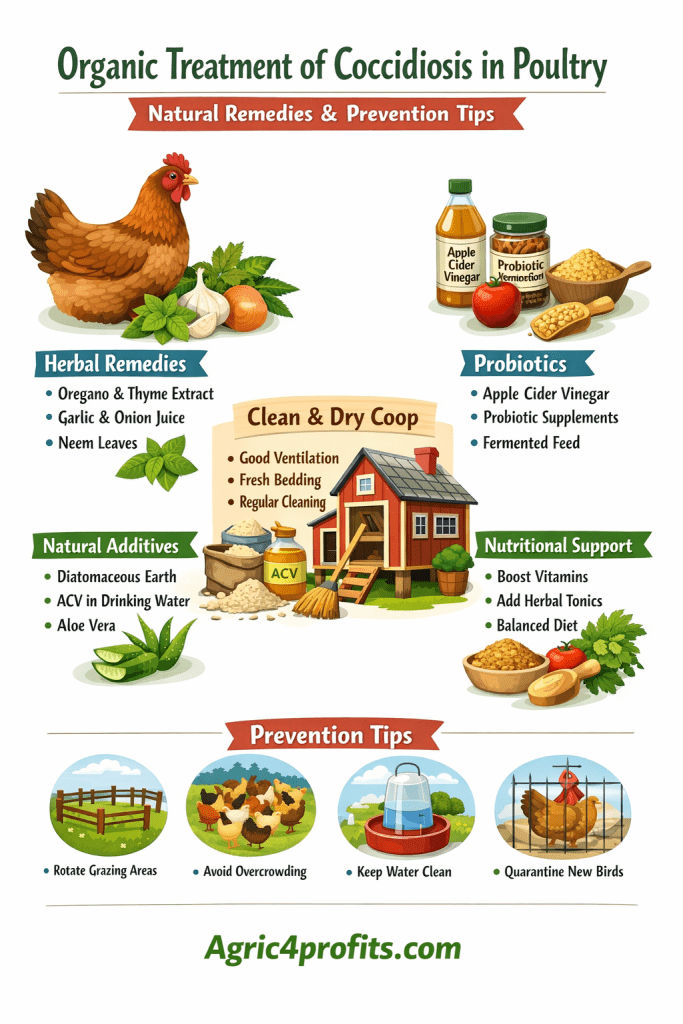
Using natural remedies as part of routine farm management adds another layer of protection against coccidiosis.
i. Apple Cider Vinegar (ACV): Adding ACV to the water weekly creates a less favorable gut environment for parasites and gives the immune system a regular boost.
ii. Garlic: Adding crushed garlic to drinking water weekly helps reduce parasite loads and supports overall immunity.
iii. Oregano Oil: Diluted oregano oil added to water once or twice a week acts as a preventive antimicrobial measure.
H. Practice Regular Health Monitoring
Catching coccidiosis early is one of the best ways to limit its damage. Regular observation helps you act before the disease spreads through the flock.
i. Observe for Symptoms: Watch for reduced appetite, lethargy, ruffled feathers, and diarrhea. Early action can stop the disease from spreading and minimize losses.
ii. Regular Checkups: Have a poultry veterinarian conduct routine health checks. Fecal tests can detect coccidia before visible symptoms appear.
iii. Keep Records: Track illnesses, treatments, and outcomes over time. Good records help you spot patterns and refine your prevention strategy.
I. Educate Yourself and Stay Informed
Coccidiosis management involves multiple factors, including environment, nutrition, and flock behavior. Staying current on best practices helps you respond faster and smarter.
i. Attend Workshops and Seminars: Agricultural institutions regularly offer training on poultry health and disease management. These sessions provide practical, up-to-date guidance.
ii. Network with Other Poultry Farmers: Connecting with other farmers gives you access to real-world insights and strategies that are often more practical than textbook advice.
iii. Consult Reliable Resources: Use trusted sources like agricultural extension offices, veterinary publications, and reputable online platforms to stay informed on poultry disease management.
Summary on Organic Treatment of Coccidiosis in Poultry
| Topic | Key Points |
|---|---|
| What is Coccidiosis | A parasitic disease caused by Eimeria species; spreads through contaminated droppings in warm, humid, crowded conditions |
| Symptoms | Diarrhea (sometimes bloody), lethargy, weight loss, ruffled feathers, reduced feed intake, anemia in severe cases |
| Economic Impact | Reduces feed efficiency, lowers weight gain and egg production, increases mortality and treatment costs |
| Apple Cider Vinegar | Lowers gut pH, discourages parasites; use 1 tablespoon per gallon of water, 2 to 3 days per week |
| Garlic | Antimicrobial and immune-boosting; use 1 clove per liter of drinking water daily during outbreaks |
| Oregano Oil | Contains thymol and carvacrol; inhibits Eimeria growth; use 2 drops per gallon of water, well diluted |
| Probiotics | Restores gut flora balance; improves nutrient absorption and immune support during and after infection |
| Diatomaceous Earth | Reduces parasite load in coop environment; sprinkle in bedding and add 1 to 2% to feed |
| Herbal Remedies | Thyme, oregano, sage, and turmeric offer antimicrobial and anti-inflammatory support |
| Coop Hygiene | Regular cleaning, dry bedding, and moisture control are essential for preventing coccidiosis spread |
| Biosecurity | Limit visitor access, use footbaths, quarantine new and sick birds |
| Pasture Rotation | Rotate outdoor grazing areas to reduce parasite buildup in soil |
| Nutrition | Balanced diet, probiotics, and herbs strengthen immunity and aid faster recovery |
| Monitoring | Regular observation, vet checkups, and fecal tests enable early detection and faster response |
Frequently Asked Questions About Organic Treatment of Coccidiosis in Poultry
1. What is coccidiosis in poultry, and why is it a concern?
Coccidiosis is a parasitic disease caused by Eimeria species that infect the intestines of poultry. It spreads rapidly in moist, crowded conditions and causes diarrhea, sometimes with blood, lethargy, weight loss, reduced growth, and death in young birds. Managing it is essential for flock health and farm profitability.
2. Can coccidiosis be treated effectively with organic methods?
Yes, especially when the infection is mild to moderate. Natural treatments like apple cider vinegar, garlic, oregano oil, probiotics, and diatomaceous earth can help control parasite levels, support gut health, and boost immunity. For severe cases, consult a veterinarian before relying solely on natural remedies.
3. How can I tell if my organic treatments are working?
Watch for improvements in energy levels, appetite, and droppings. A reduction in watery or bloody diarrhea and more active behavior are good signs. If symptoms persist or worsen after a few days, seek veterinary guidance.
4. How does apple cider vinegar help treat coccidiosis in poultry?
ACV lowers the pH in the gut, creating conditions less favorable for Eimeria parasites. It also has antimicrobial properties that support gut health and help reduce the severity of secondary infections. Adding it to drinking water is a simple, practical measure during outbreaks.
5. Are probiotics useful for poultry with coccidiosis?
Yes. Probiotics restore the balance of beneficial gut bacteria that coccidiosis disrupts. They improve nutrient absorption, reduce intestinal inflammation, and support recovery from the damage the parasite causes to the gut lining.
6. What role do herbs play in treating coccidiosis naturally?
Herbs like oregano, thyme, and sage have antimicrobial and antiparasitic properties. Turmeric provides anti-inflammatory support for the intestinal lining. They can be added to feed or placed in the coop to provide ongoing, gentle support without harsh side effects.
7. What are the most common signs of coccidiosis in poultry?
The main signs include reduced feed intake, diarrhea that may contain blood, lethargy, ruffled feathers, weight loss, and general weakness. In severe cases, dehydration and death can occur, especially in young birds.
8. When should I seek veterinary help for coccidiosis?
If natural treatments do not show improvement within a few days, or if you see high mortality, severe lethargy, or ongoing bloody diarrhea, contact a veterinarian. Early professional intervention can prevent a mild outbreak from becoming a serious loss.
9. How does diatomaceous earth help with coccidiosis?
Food-grade DE reduces parasite load in the coop environment by physically damaging the parasites at a microscopic level. It also helps keep bedding dry, which makes conditions less suitable for coccidia to survive and spread.
10. Is vaccination an option for coccidiosis prevention?
Yes. Vaccines are available for certain Eimeria strains and are commonly used in large commercial operations. They are typically given to chicks to help them build immunity before heavy exposure. Vaccination works best as part of a broader management plan that includes sanitation, nutrition, and monitoring.
Do you have any questions, suggestions, or contributions? If so, please feel free to use the comment box below to share your thoughts. We also encourage you to kindly share this information with others who might benefit from it. Since we can’t reach everyone at once, we truly appreciate your help in spreading the word. Thank you very much for your support and for sharing!
Read Also: 12 Management Tips for Better Poultry Performance Potential