


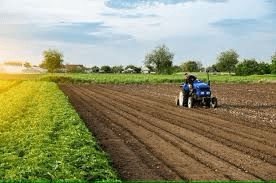
Commercial agriculture focuses on farming for profit, involving large-scale production of crops and livestock. It uses advanced technology and modern practices to maximize efficiency and productivity.
This type of agriculture is essential for feeding a growing global population, but it also presents challenges and opportunities for sustainable development.
Key Features of Commercial Agriculture
1. Large Scale Operations: Involves extensive farming areas to produce high volumes of crops and livestock.
2. High Input Use: Requires significant use of seeds, fertilizers, pesticides, and machinery.
3. Market-Oriented Production: Focuses on producing goods for sale rather than personal consumption.
🌿 Go Organic on Your Farm: Instead of harmful chemical pesticides and fertilisers, try our organic farming products — including neem oil spray, bio-pesticides, natural plant treatments, organic seeds and seedlings, suckers, and many more organic products that are safe for your health, your family, your soil and your harvest. Shop Now →
4. Advanced Technology: Utilizes machinery, irrigation systems, and precision tools.
5. Specialization: Often focuses on specific crops or livestock to enhance efficiency.
Benefits of Commercial Agriculture
🔧 Free Farm Tool Available: Use our free Agric4Profits Farm Tools to calculate your farm profits, formulate feeds, identify pests and diseases on both your crops and animal farms, plan your planting and harvesting season, including many more farm tasks to get free expert advice and recommendations — completely free, no registration required. Access Free Tools →
1. Increased Productivity: Achieves higher output per unit of land.
2. Economic Growth: Boosts job creation and supports related industries.
3. Innovation: Drives technological advancements and new farming practices.
4. Improved Food Security: Ensures a stable and abundant food supply.
5. Efficient Resource Use: Enhances the effective use of resources through modern techniques.
💬 Have a Farming Question? Join thousands of farmers across Africa on the Agric4Profits Community — ask questions, share experiences and connect with agricultural experts. It is completely free. Ask Your Question Now →
Challenges in Commercial Agriculture
1. Environmental Impact: Can lead to soil degradation, water pollution, and biodiversity loss.
2. High Costs: Requires substantial investment in technology and inputs.
3. Market Risks: Faces fluctuations in prices and weather conditions.
4. Dependence on Technology: Relies heavily on machinery and technology.
5. Labor Issues: Challenges in finding and retaining skilled labor.
Read Also: Powdery Scab (Potatoes): Description, Damages Caused, Control and Preventive Measures
Modern Techniques and Technologies
📖 Want to Go Deeper on This Topic?
Our expert agricultural ebooks cover poultry, fish farming, different crops production, snail farming, organic farming, mushrooms, sheep, cattle, flowers, pig farming, goat farming, agribusiness, etc. in practical step-by-step detail — written by agricultural professionals for African farmers.
Browse All Farming Ebooks →1. Precision Agriculture: Uses GPS and data analytics to manage crops more efficiently.
2. Genetically Modified Crops: Enhances yield and disease resistance through genetic modification.
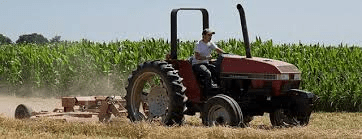
3. Automated Machinery: Reduces labor costs with machines for planting and harvesting.
4. Drones: Provides real-time data for monitoring crop health and applying inputs.
5. Hydroponics and Vertical Farming: Grows crops without soil, saving space and resources.
Sustainable Practices in Commercial Agriculture
1. Conservation Tillage: Reduces soil erosion and maintains soil health by minimizing plowing.
2. Organic Farming: Avoids synthetic chemicals and focuses on natural inputs to protect the environment.
3. Crop Rotation: Alternates different crops on the same land to improve soil fertility and reduce pest issues.
4. Water Management: Employs efficient irrigation systems and practices to conserve water and reduce waste.
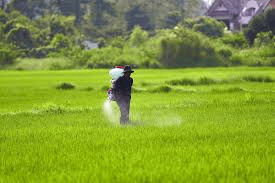
5. Integrated Pest Management (IPM): Combines biological, cultural, and chemical methods to control pests while minimizing environmental impact.
Read Also: Chinchilla Endangered Rodent
Economic Impact and Market Trends

1. Market Demand: As populations grow, the demand for food increases, driving commercial agriculture's expansion. Trends include a rise in demand for organic and locally-sourced produce.
2. Global Trade: Commercial agriculture contributes to global trade, with many countries exporting agricultural products. Market fluctuations and trade policies can impact profitability.
3. Investment: Investment in technology and infrastructure is crucial for maintaining competitiveness. Farmers must adapt to market trends and consumer preferences to stay profitable.
4. Sustainability Trends: There is a growing emphasis on sustainable practices, driven by consumer demand for environmentally friendly products and regulatory requirements.
5. Economic Impact: Commercial agriculture significantly contributes to national economies through job creation, export revenues, and the growth of related industries.
Government Policies and Regulations
1. Subsidies and Support: Governments may provide subsidies to support farmers and stabilize prices. This can help manage costs and encourage production.
2. Environmental Regulations: Policies aimed at reducing environmental impact include restrictions on pesticide use, regulations on water usage, and requirements for sustainable practices.
3. Food Safety Standards: Regulations ensure that agricultural products meet safety and quality standards, protecting consumers and maintaining market trust.
4. Land Use Policies: Zoning and land use regulations impact how and where commercial agriculture can operate, influencing land availability and use.
5. Trade Policies: International trade agreements and tariffs affect market access and competitiveness for agricultural products.
Conclusion
Commercial agriculture plays a crucial role in feeding the global population and driving economic growth. By focusing on large-scale production, advanced technology, and market-oriented practices, it offers numerous benefits, including increased productivity and economic contributions. However, it also faces challenges such as environmental impact and high costs.
Adopting sustainable practices, understanding market trends, and navigating government policies are essential for success. Through innovative techniques and real-world success stories, commercial agriculture continues to evolve, addressing challenges and embracing opportunities for a more sustainable future.
Read Also: How to Start an Urban Farm
Frequently Asked Questions
We will update this section soon.
🌱 Take Your Farming Further With Agric4Profits
Based on what you just read, here are free resources and products from Agric4Profits that can help your farm right now:
- 🛒 Visit Our Marketplace — Organic neem oil, bio-pesticides, seeds and farming products
- 📚 Read Premium Content — Advanced guides for serious and profitable farming
- 🎓 Join Our Free Academy — Structured free training for farmers across Africa
- 🔧 Use Our Free Farm Tools — Profit calculators, feed formulation, pest identifier and more
- 💬 Join Our Farming Community — Connect with farmers across all 54 African countries
- ❓ Ask a Farming Question — Get answers from experienced farmers and agricultural experts
Please cite this content in academic work, research, or publications.