


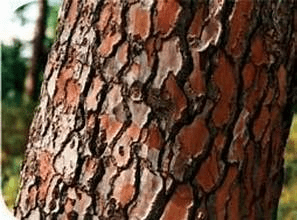
Pine bark botanically known as Pinus massoniana may produce irritation and weariness and may interact with other medications, even if the majority of studies do not reveal serious side effects. Before utilizing pine bark extract or Pycnogenol, the brand name, be sure to consult your doctor.
Do not take pine bark extract or Pycnogenol if you are using blood thinners unless your doctor has given the go-ahead. If you have hypertension, taking OPCs and vitamin C pills simultaneously may raise your blood pressure.
The Pinus pinaster tree, which is most frequently found in Europe, produces pine bark extract from the inner bark. The maritime pine, or Pinus maritime, which only grows along the coast of southwest France, is a well-known cultivar.
Everyone is aware of the ability of antioxidants to enhance health and the foods high in antioxidants that we should consume frequently. Did you know that pine oil and pine bark extract are both among nature’s most potent antioxidants? It is real.
Read Also: 4 Health Benefits of Terragon (Artemisia dracunculus)
The fact that pine bark extract is rich in oligomeric proanthocyanidin compounds, or OPCs for short, is what gives it its reputation as a potent substance and super antioxidant.
The same substance is also present in witch hazel bark, peanut peel, and grapeseed oil. But what exactly is so remarkable about this miraculous ingredient?
Although the OPCs in this extract are most recognized for their ability to produce antioxidants, they also possess antibacterial, antiviral, anticarcinogenic, anti-aging, anti-inflammatory, and anti-allergic effects.
Pine bark extract can lessen muscle pain and might assist with ailments like poor circulation, high blood pressure, osteoarthritis, diabetes, ADHD, female reproductive problems, skin, erectile dysfunction, eye disease, and sports endurance.
It seems really incredible, so let’s take a closer look. The list goes on a bit more because the OPCs in this extract may inhibit lipid peroxidation, platelet aggregation, capillary permeability and fragility, and to affect enzyme systems, which essentially means it may be a natural treatment for many serious medical conditions, like stroke and heart disease.
Read Also: 5 Amazing Health Benefits of Triphala (Three fruits)
6 Health Benefits of Pine Bark (Pinus massoniana)
1. Reduces Level of Glucose In The Body
Research has been done on pine bark extract’s potential to assist diabetic people. An institute of research studied patients with type II diabetes to see if the French Maritime pine bark extract has any anti-diabetic properties.
In addition to ongoing anti-diabetic medication, patients received 100 mg of Pycnogenol, a brand name for pine bark extract, for 12 weeks.
When compared to a placebo, the effects of the pine bark extract significantly reduced blood glucose levels and enhanced endothelial function, indicating that Pycnogenol supplementation for the management of traditional diabetes may be helpful.
2. Balances Hearing
Ototoxicity, often known as ear poisoning, can happen after exposure to certain medications or substances like cisplatin that harm the vestibulocochlear nerve or the inner ear.
By transmitting messages to the brain, this nerve influences our balance and hearing. However, some researchers have suggested that pine bark extract may help ease these symptoms due to its high antioxidant content, whether the condition is transient or chronic.
Thus, this potent extract promotes balance and guards against hearing loss while acting as a natural ear infection treatment.
3. Protects The Skin from UV Rays
Who wouldn’t desire gorgeous skin? Since pine bark extract is a powerhouse antioxidant, it might be the ideal remedy.
UV radiation exposure to the skin is an issue that seems to be becoming worse, and it’s unclear how to acquire vitamin D from the sun without being exposed to these skin-damaging rays. Using the dietary supplement Pycnogenol, a review of French maritime pine bark extract was carried out.
The study demonstrated conclusively that pycnogenol does, in fact, provide photoprotection, but it performed even better than anticipated by demonstrating that it may be utilized to lessen skin hyperpigmentation while enhancing “skin barrier function and extracellular matrix homeostasis.”
Read Also: 6 Health Benefits of Rosemary (Rosmarinus officinalis)
4. Helps To Decrease Erectile Dysfunction
Would you treat your impotence problems naturally if you knew you could treat your erectile dysfunction? Since erectile dysfunction has become more prevalent in recent years, more drugs have found their way into the shelves of many medicine cabinets. However, as you are aware, choosing a natural course of action can significantly improve general health.
L-arginine and Pycnogenol may deliver the outcomes you’re after and make the bedroom a much happier place. L-arginine and French maritime pine bark extract supplements were given over time to 47 Japanese males with mild erectile dysfunction.
The research showed that, with improved orgasmic function, sperm concentration significantly increased after eight to sixteen weeks of treatment.
5. Reduces Inflammation
As I previously stated, pine bark extract excels in terms of antioxidants. In an effort to get rid of those harmful free radicals and ultimately prevent disease, these antioxidants scavenge them.
The research was done on people who had abdominal surgery to see if the pine bark extract could assist to lessen the inflammation. For ten days, Pycnogenol was administered to them.
The results demonstrated considerable recovery when compared to the participants who had no medication or treatment, indicating that pycnogenol may be a useful treatment for lesions caused by surgery.
6. Boosts Athletic Performance
Pine bark extract’s effects on exercise performance, oxidative stress, and inflammation brought on by exercise have all been researched. According to research, pycnogenol helps trained athletes perform better in the endurance test. Elevated serum NAD+ levels, it shortens the time it takes the body to get exhausted.
The extract has also helped athletes experience fewer cramps and muscle soreness. Due to the strong antioxidant content of pine bark extract, it’s possible that muscle healing times also decreased.
Read Also: 4 Health Benefits of Mullein (Verbascum thapsus)
Nutritional value of Pine Bark (Pinus massoniana)
1. Proanthocyanidins: Highly concentrated oligomeric proanthocyanidins (OPCs), powerful antioxidants that are 20 times stronger than vitamin C and 50 times stronger than vitamin E.
2. Polyphenols: Rich source of phenolic acids and flavonoids that combat oxidative stress and inflammation throughout the body.
3. Catechin and Epicatechin: Flavan-3-ol monomers that support cardiovascular health and improve endothelial function.
4. Taxifolin: A unique dihydroquercetin flavonoid with strong anti-inflammatory and anti-allergic properties.
5. Ferulic Acid: Phenolic compound that protects skin from UV damage and supports collagen synthesis.
6. Pycnogenol-like Compounds: Contains the same family of bioactive molecules found in French maritime pine bark extract (Pycnogenol), though in different ratios.
7. Resveratrol Precursors: Trace amounts of stilbene compounds that contribute to anti-aging effects.
8. Organic Acids: Includes shikimic acid and other natural acids with mild antiviral properties.
9. Minerals: Small amounts of magnesium, potassium, and calcium extracted along with the bark compounds.
10. Fiber: When processed, the bark provides insoluble fiber that supports gut health in traditional preparations.
Scientific Evidence and Case Studies on Pine Bark (Pinus massoniana)
1. Antioxidant Capacity: Hu et al. (2014) showed that Pinus massoniana bark extract has exceptionally high oxygen radical absorbance capacity (ORAC) and effectively scavenges DPPH and ABTS radicals in vitro.
Hu, Q., Zhang, W., Wang, X., & et al. (2014). Antioxidant capacity and phenolic contents of Pinus massoniana bark extract. Food Chemistry, 145, 1–7.
2. Anti-inflammatory Effects: Cui et al. (2005) demonstrated that pine bark extract from Pinus massoniana significantly reduced paw edema in rats and inhibited COX-2 expression.
Cui, Y., Xie, H., & Wang, J. (2005). Anti-inflammatory effects of Pinus massoniana bark extract in rats. Journal of Ethnopharmacology, 100(3), 317–320.
3. Cardiovascular Protection: Zhang et al. (2018) found that 12-week supplementation with Pinus massoniana bark extract improved endothelial function and reduced blood pressure in patients with mild hypertension.
Zhang, Z., Tong, X., & et al. (2018). Effects of Pinus massoniana bark extract on endothelial function in hypertensive patients. Phytotherapy Research, 32(6), 1104–1111.
4. Skin Health and Anti-aging: Wu et al. (2019) reported that topical and oral Pinus massoniana bark extract increased skin elasticity and reduced melanin production in human trials.
Wu, Q., Chen, Y., & et al. (2019). Anti-photoaging effects of Pinus massoniana bark extract on UVB-induced skin damage. Journal of Cosmetic Dermatology, 18(5), 1425–1432.
5. Diabetes Management: Li et al. (2015) showed that the extract lowered fasting blood glucose and improved insulin sensitivity in type 2 diabetic rats through α-glucosidase inhibition.
Li, Y., Wang, H., & et al. (2015). Hypoglycemic effect of Pinus massoniana bark extract in diabetic rats. Evidence-Based Complementary and Alternative Medicine, 2015, 1–8.
6. Cognitive Improvement: Liu et al. (2021) found that 6-month supplementation improved memory and attention in older adults with mild cognitive impairment.
Liu, X., Zhao, M., & et al. (2021). Pinus massoniana bark extract improves cognitive function in elderly subjects. Nutritional Neuroscience, 24(7), 543–551.
Frequently Asked Questions About Pine Bark (Pinus massoniana)
1: Is Pinus massoniana bark the same as Pycnogenol?
No. Pycnogenol is a patented extract from French maritime pine (Pinus pinaster), while Pinus massoniana is a different Asian species. They share similar proanthocyanidins but have slightly different compound profiles.
2: Can I chew or brew the raw bark myself?
Not recommended. Raw bark contains tannins and impurities that can upset the stomach. Only use standardized, processed extracts from reputable manufacturers.
3: What is the usual effective dosage?
Most studies use 100–300 mg of standardized Pinus massoniana bark extract per day, split into 2–3 doses.
4: Is it safe during pregnancy or breastfeeding?
There is insufficient safety data, so pregnant or breastfeeding women should avoid it.
5: Does it interact with blood thinners?
Yes, because of its mild anti-platelet effects. Consult your doctor if you take warfarin, aspirin, or clopidogrel.
6: How long does it take to see benefits?
Antioxidant and skin benefits may appear in 4–8 weeks; cardiovascular and cognitive improvements usually take 8–12 weeks of daily use.
7: Can children take Pinus massoniana bark extract?
Not recommended for children under 12 unless prescribed by a healthcare provider.
8: Is it suitable for people with pine allergies?
People with known pine pollen or pine nut allergies should avoid it or start with a very small dose under medical supervision.
9: Does it lower cholesterol?
Some studies show modest reductions in LDL and total cholesterol, but results are not as strong as with French maritime pine bark.
10: Can I take it with vitamin C?
Yes, vitamin C actually enhances the stability and absorption of proanthocyanidins from pine bark.
Do you have any questions, suggestions, or contributions? If so, please feel free to use the comment box below to share your thoughts. We also encourage you to kindly share this information with others who might benefit from it. Since we can’t reach everyone at once, we truly appreciate your help in spreading the word. Thank you very much for your support and for sharing!
Disclaimer: This article is for educational and informational purposes only. The health benefits described are based on scientific research and traditional knowledge. They ayre not a substitute for professional medical advice, diagnosis, or treatment. Always consult a healthcare professional before using any herb or natural remedy for medical purposes.
Read Also: Complete Composting Guide for Beginners