


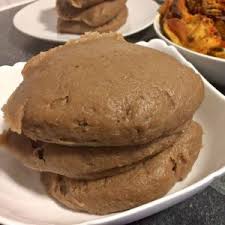
Amala (Yam flour) is a common food consumed in Nigeria especially the Yoruba Clan. This food can be consumed with ewedu (jute) and stew (made from pepper, tomato, palm oil, water).
Uknown to many people, Amala is gotten from yam peels. The peels are dried and thereafter grinded to flour.
Amala (Yam flour) also contains many nutritional health benefits which few people are aware of. This is why our topic today is centered on the amazing health or nutritional health benefits of Amala (Yam flour).
Amala which is often served with Ewedu in english is called Jute leaves popularly reffered to as Amala and Ewedu especially among the Yoruba’s in Nigeria together posses so many health benefits as a very strong and nice combination.
Check out the health benefits of Ewedu Soup (Jute Leaves) here… Reasons why Jute or Saluyot leaves (Ewedu Soup) is good for you
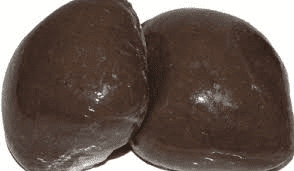
The full health benefits of this kind of meal is good for the well-being of humans. These health benefits are;
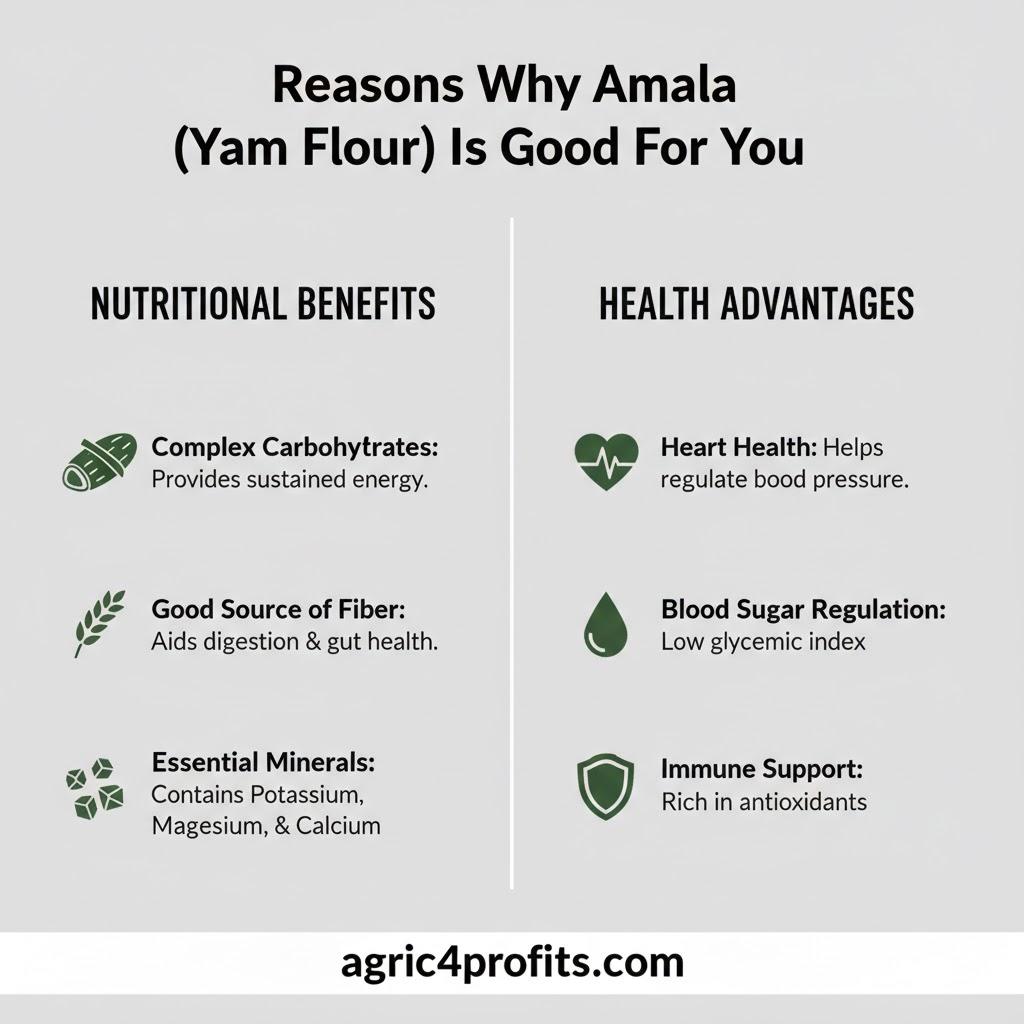
(1) Good for diabetes management
Diabetes is a metabolic disease inflicting the society. It has led to deaths of many people and scientists are still finding lasting solution to this problem.
The meal (Amala with ewedu and stew) is a very good meal for diabetic patients because amala (Yam flour) is known for its low glycemic index i.e. it won’t cause rapid rise in blood glucose level of diabetes patients and so won’t cause aggravation of this condition.
In combination with the positive effects of antioxidants found in stew and ewedu, it makes it very good for diabetes management.
(2) Improves cardiovascular diseases
Dietary fiber in Amala (Yam flour) helps reduce low density lipoproteins and pepper used in making stew impedes buildup of cholesterol in the body and finally ewedu is known to have good impact on cardiovascular diseases.
(3) Lowers Cancer Risk
Ewedu and stew have several antioxidants in it and these antioxidants aid in mopping up of pro-oxidants that could instigate cancer.
Beta-cryptoxanthin in red pepper has been investigated and shows it aids in preventing lung cancer that is either caused by direct smoking or second hand smoke that is injurious to health.
Several antioxidants found in ewedu also aid in lowering cancer risk. In addition, Dietary Fibre in amala even reduces risk of having colon cancer by hindering hazardous compounds in food from affecting the colon mucosa.
Read Also: The 10 Best Business Ideas on Agriculture
(4) Weight loss

Taking an healthy amount of Amala (yam flour) with ewedu and stew is good for weight loss.
Pepper has a chemical compound called capsaicin that could jazz up metabolism, keep immature fat cells from developing and so promotes weight loss.
This ability coupled with ewedu that has low calorie and healthy amount of amala that has low GI supports weight loss.
(5) Builds Immune System
The immune system is stronger when workload on it is reduced and also reduction in rate of oxidative stress in the body.
There are several type of vitamins found in this meal and many antioxidants that help to make possible clearing up of pro-oxidants and simultaneously making the immune system better.
The immune system is necessary for fighting infections so it is very important it is not weak.
(6) Improves eye sight
Vitamin A can be found in Ewedu and pepper coupled with Beta-carotene and these nutrient help in improving eye sight. This indicates that the meal is good for eyes health.
Other benefits that could be profited from consuming such meal are derived from other nutrients such as calcium that helps in stronger bone, zinc that helps in sperm motility, iron, copper, magnesium, potassium and several other minerals and vitamin.
In conclusion, it is preferable to incorporate this kind of meal to your normal diet.
Eat Amala meal and Live Healthy.
Scientific Evidence and Case Studies on Reasons why Amala (Yam Flour) is good for you
1. Low glycemic index of yam flour: Studies on yam-based foods (including unripe yam flour like amala) show a low to moderate glycemic index, leading to slower blood glucose rises and better postprandial control in diabetic individuals.
2. Dietary fiber and cardiovascular health: High insoluble fiber in yam flour reduces LDL cholesterol absorption and promotes heart health; combined with capsanthin and other compounds in pepper, it supports reduced plaque buildup.
3. Antioxidant protection against cancer: Beta-cryptoxanthin from red peppers and various polyphenols/flavonoids in ewedu demonstrate chemopreventive effects, including reduced lung cancer risk and inhibition of oxidative stress linked to carcinogenesis.
4. Capsaicin for weight management: Capsaicin in peppers increases thermogenesis, fat oxidation, and satiety; paired with low-calorie ewedu and low-GI amala, it aids sustainable weight loss in metabolic studies.
5. Immune and eye health support: High vitamin A (from beta-carotene in pepper and ewedu) and zinc/iron content contribute to enhanced immune function and prevention of night blindness/vision issues.
Summary of Reasons why Amala (Yam Flour) is good for you
| Aspect | Summary |
|---|---|
| Main Components | Amala (dried yam peel flour), ewedu (jute leaves soup), stew (pepper, tomato, palm oil-based). |
| Preparation Origin | Traditional Yoruba Nigerian dish; amala made from sun-dried yam peels ground into flour. |
| Key Nutrients | Dietary fiber, resistant starch (low GI), vitamins (A, C), minerals (iron, zinc, potassium, calcium), antioxidants (beta-cryptoxanthin, polyphenols), capsaicin. |
| Diabetes Management | Low glycemic index prevents rapid blood sugar spikes; suitable for diabetic diets. |
| Heart Health | Fiber lowers LDL cholesterol; pepper compounds reduce plaque; ewedu supports cardiovascular function. |
| Cancer Risk Reduction | Antioxidants combat oxidative stress; fiber protects colon; beta-cryptoxanthin may prevent lung cancer. |
| Weight Loss Support | Capsaicin boosts metabolism; low-calorie ewedu + low-GI amala promote satiety and fat control. |
| Immune & Eye Benefits | Vitamins A/C, zinc, and antioxidants strengthen immunity and support vision health. |
| Additional Benefits | Bone strength (calcium), reproductive health (zinc), overall mineral support. |
| Recommendation | Incorporate into regular diet for balanced nutrition and disease prevention. |
Frequently Asked Questions
1. What is Amala made from?
Amala is made from dried yam peels (often white or water yam), which are sun-dried and then ground into fine flour; it is a staple swallow food in Yoruba cuisine.
2. Why is Amala good for people with diabetes?
It has a low glycemic index, meaning it causes a slow and steady rise in blood sugar rather than sharp spikes, making it safer for blood glucose control.
3. How does the combination of Amala, ewedu, and stew support heart health?
The high dietary fiber in amala lowers bad cholesterol, capsaicin in pepper helps prevent plaque buildup, and ewedu provides additional cardiovascular-protective compounds.
4. Can eating Amala with ewedu help prevent cancer?
Yes, the meal is rich in antioxidants (from ewedu and pepper) that fight oxidative stress, plus fiber in amala that may protect the colon and beta-cryptoxanthin that shows potential against lung cancer.
5. Does this meal aid in weight loss?
Yes, capsaicin boosts metabolism and fat burning, ewedu is low-calorie, and amala’s low GI helps control hunger and calorie intake effectively.
6. What makes Amala and ewedu good for the immune system?
The combination provides multiple vitamins (A, C), zinc, iron, and strong antioxidants that reduce oxidative stress and support stronger immune defenses.
7. How does this dish improve eyesight?
Ewedu and pepper supply vitamin A and beta-carotene, essential nutrients for maintaining good vision and preventing conditions like night blindness.
8. Are there other minerals and benefits from this meal?
Yes, it contains calcium for bones, zinc for sperm motility and immunity, iron for blood health, potassium for blood pressure, and magnesium for muscle/nerve function.
9. Is Amala healthier than other swallows like pounded yam or fufu?
Amala from yam peels often has higher fiber and resistant starch content, giving it a lower glycemic impact compared to many refined or cassava-based swallows.
10. How often should one eat Amala with ewedu and stew?
It can be incorporated regularly as part of a balanced diet, especially for those managing weight, diabetes, or seeking antioxidant-rich traditional meals.
Do you have any questions, suggestions, or contributions? If so, please feel free to use the comment box below to share your thoughts. We also encourage you to kindly share this information with others who might benefit from it. Since we can’t reach everyone at once, we truly appreciate your help in spreading the word. Thank you very much for your support and for sharing!
Disclaimer: This article is for educational and informational purposes only. The health benefits described are based on scientific research and traditional knowledge. They ayre not a substitute for professional medical advice, diagnosis, or treatment. Always consult a healthcare professional before using any herb or natural remedy for medical purposes.
Read Also: Onions Farming Complete Business Guide